Frequently Asked Questions
What are the benefits of hardwood flooring?
The benefits of hardwood flooring include its durability, timeless beauty, and ease of maintenance. It enhances the aesthetic appeal of any space, can increase property value, and is available in various styles to suit different tastes.
How to choose the right hardwood flooring?
Choosing the right hardwood flooring involves considering factors like wood species, finish, durability, and style to match your home or office aesthetics. Assess your space's traffic, moisture levels, and maintenance preferences before making a decision.
What is the average cost of hardwood flooring?
The average cost of hardwood flooring typically ranges from $3 to $12 per square foot, depending on the type of wood, quality, and installation method. Additional costs may apply for labor and finishing services.
How is hardwood flooring installed properly?
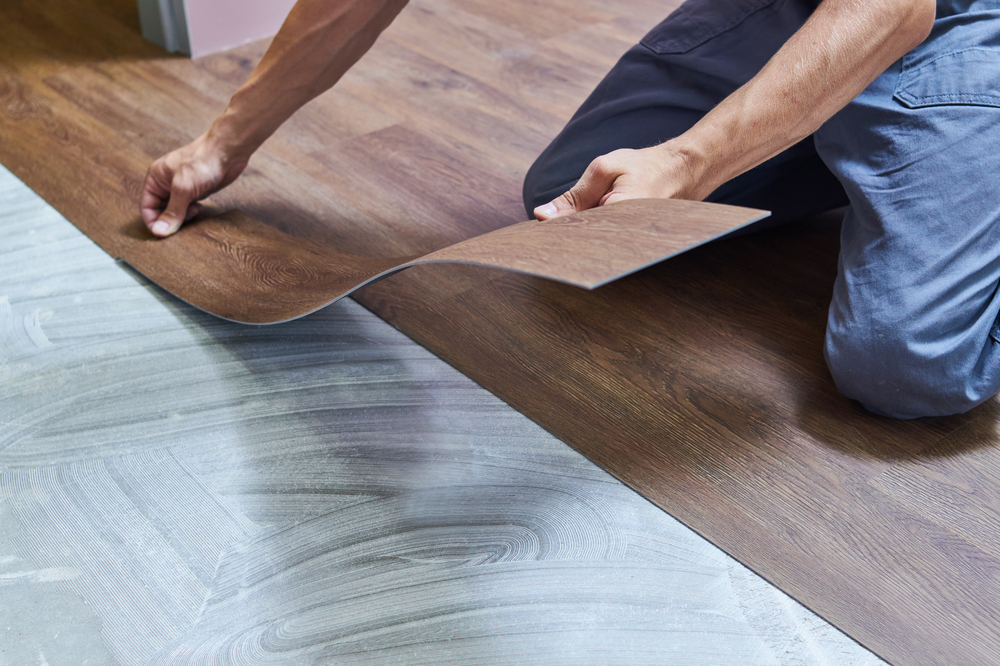
Proper installation of hardwood flooring involves thorough preparation of the subfloor, ensuring it is clean, dry, and level, followed by choosing the right installation method—nail-down, glue-down, or floating—based on the specific flooring type and environment.
What maintenance is required for hardwood floors?
The maintenance required for hardwood floors includes regular sweeping or vacuuming to remove dirt and debris, occasional mopping with a damp cloth, and applying a special wood floor cleaner. Additionally, it's beneficial to use protective pads under furniture and avoid excessive moisture.
How does humidity affect hardwood flooring?
Humidity affects hardwood flooring by causing it to expand in high moisture and contract in low moisture levels. This natural reaction can lead to warping, gaps, or buckling, impacting the floor's appearance and longevity.
Can hardwood flooring be refinished?
Hardwood flooring can indeed be refinished. This process allows you to restore its original beauty by sanding down the surface and applying a new finish, effectively extending the lifespan of your floors and enhancing their appearance.
What is the lifespan of hardwood flooring?
The lifespan of hardwood flooring is typically 25 to 30 years, but with proper care and maintenance, it can last even longer, making it a durable and long-lasting flooring option for homes and offices.
Are there eco-friendly options for hardwood floors?
Eco-friendly options for hardwood floors are available, including sustainably sourced wood and flooring made from reclaimed materials. These choices reduce environmental impact while maintaining the aesthetic appeal and durability that hardwood floors offer.
How do hardwood floors compare to laminate?
Hardwood floors differ from laminate in that they are made from solid wood, offering natural beauty and durability, whereas laminate mimics wood appearance using synthetic materials, often being less expensive but potentially less resilient in the long term.
What types of hardwood are best for flooring?
The best types of hardwood for flooring include oak, maple, and hickory due to their durability and aesthetic appeal. These hardwoods are well-known for their strength, resistance to wear, and timeless beauty, making them ideal choices for both homes and offices.
Is engineered hardwood a good alternative?
Engineered hardwood is a great alternative to solid hardwood flooring. It offers a similar aesthetic while providing enhanced durability and moisture resistance, making it suitable for a variety of environments.
How to prevent scratches on hardwood floors?
To prevent scratches on hardwood floors, regularly use protective pads under furniture, limit pet claw access, and maintain cleanliness by sweeping or vacuuming to remove dirt and debris. Additionally, avoid wearing shoes with hard soles indoors.
What are the latest trends in hardwood flooring?
The latest trends in hardwood flooring include wider planks, eco-friendly materials, and mixed wood species. Additionally, dark finishes and matte textures are gaining popularity, reflecting a shift towards natural aesthetics and sustainable practices in interior design.
What type of underlayment is needed for hardwood?
The type of underlayment needed for hardwood flooring is usually a foam or felt material that helps with sound absorption, insulation, and moisture control while providing a level surface for installation.
Can hardwood flooring be installed over concrete?
Hardwood flooring can be installed over concrete with the appropriate preparation. This typically involves using a moisture barrier and an underlayment to ensure stability and prevent damage from moisture.
What tools do I need for flooring installation?
The tools needed for flooring installation include a tape measure, saw, hammer, pry bar, level, and flooring nailer or stapler. Additionally, a chalk line and knee pads can enhance accuracy and comfort during the process.
How to choose the right finish for hardwood?
Choosing the right finish for hardwood involves considering factors like durability, appearance, and maintenance. For high-traffic areas, a polyurethane finish offers excellent protection, while oil finishes provide a warm, natural look but require more upkeep.
Are there any health concerns with hardwood flooring?
Health concerns with hardwood flooring can arise primarily from the chemicals used in finishes and adhesives. However, high-quality hardwood options, like those offered by Diaz Hardwood Floors, are often low in VOCs (volatile organic compounds) and safe for indoor environments.
What accessories are needed for hardwood installation?
The accessories needed for hardwood installation include underlayment, nails or staples, a tapping block, a pull bar, spacers, and a moisture barrier. These tools and materials ensure a secure and effective installation process, enhancing the durability and appearance of your flooring.