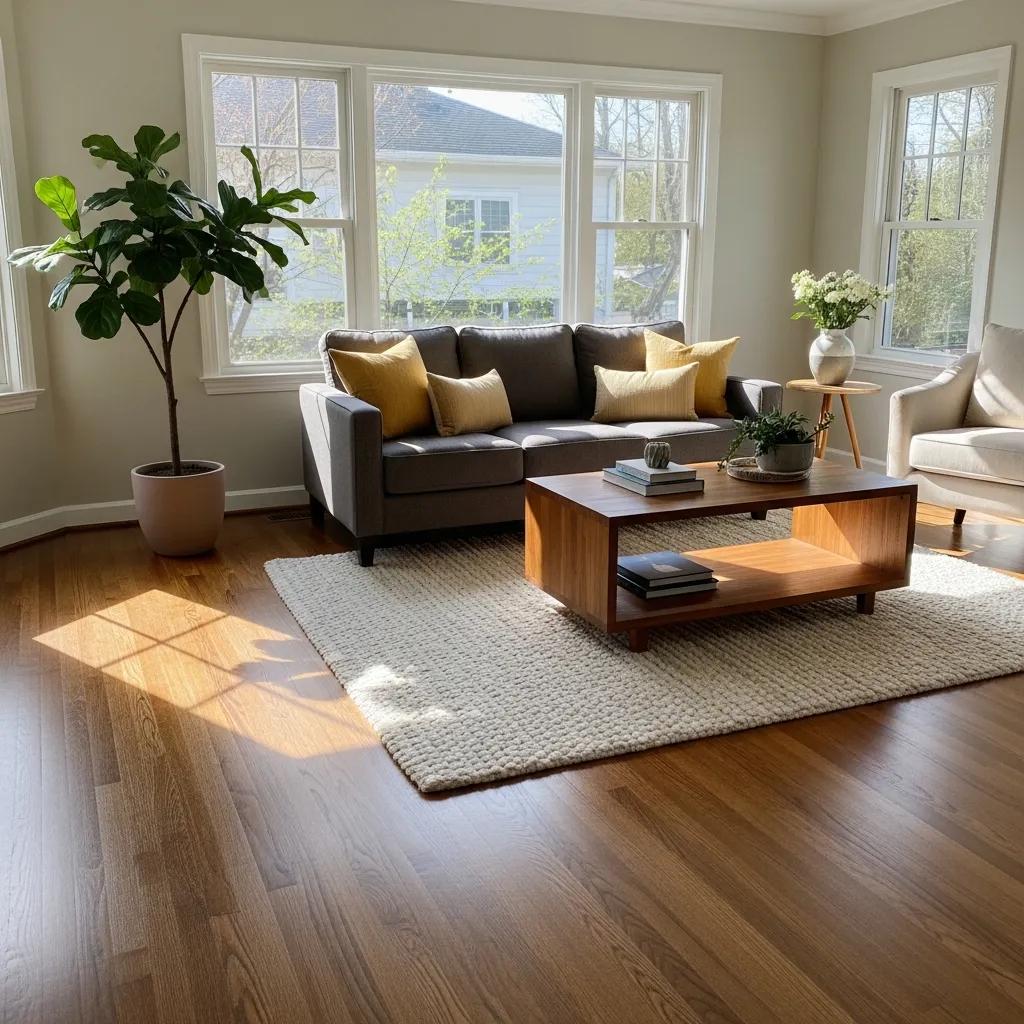
Proper flooring acclimation is a critical, yet often overlooked, step in the installation process that ensures the long-term stability, fit, and appearance of your new floors. Before they are ever fastened down, materials like hardwood, laminate, and even some vinyl planks must adjust to the specific temperature and humidity conditions of your home to prevent warping, buckling, or gaps after installation.
In this guide, we’ll walk homeowners through a clear acclimation guide, explaining why it’s necessary, how long it takes, and the best practices to follow for a flawless, durable floor.
Flooring Acclimation Guide That Saves Time and Rework
Why Is Acclimating Your Hardwood Flooring Essential?
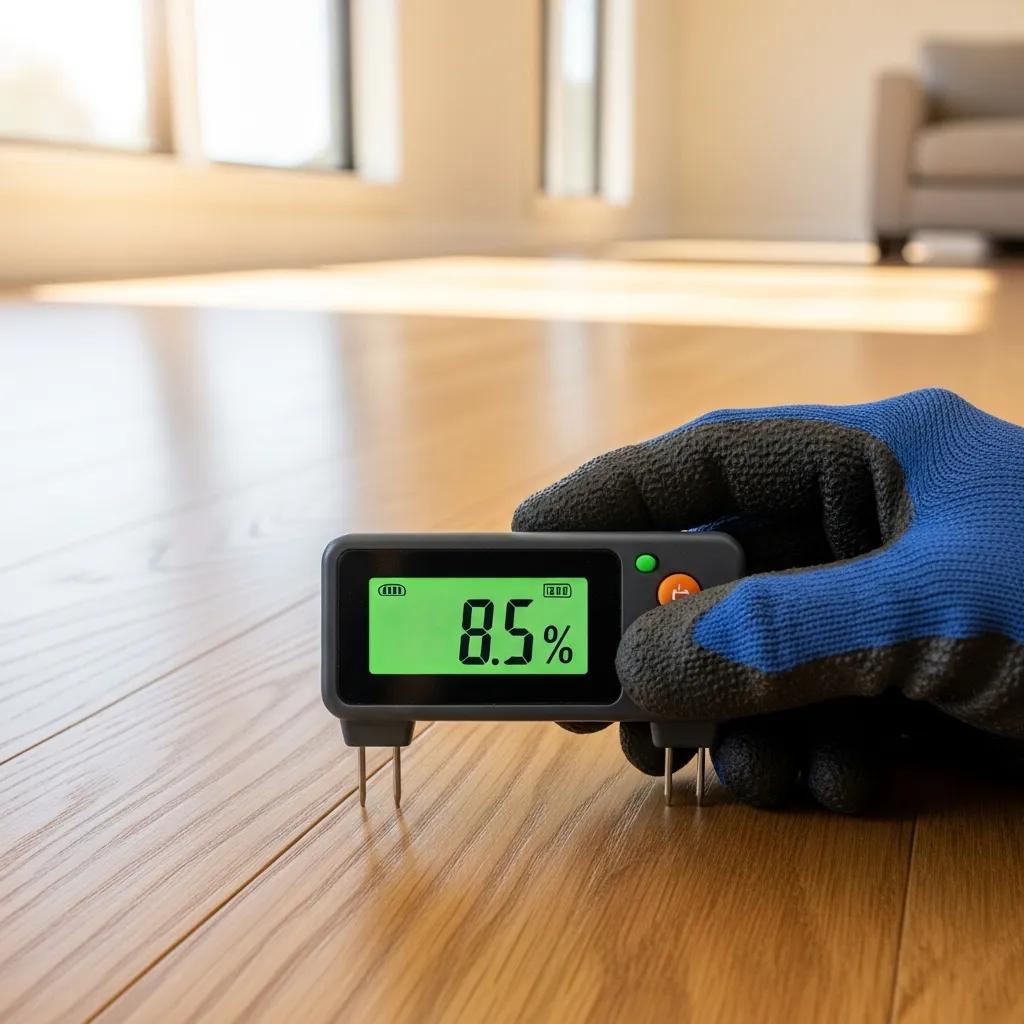
An acclimation guide matters because hardwood is not a “set it and forget it” material. Wood responds to the environment around it, especially humidity and temperature. If hardwood is installed before it adjusts to the conditions inside the home, the boards can move after installation. That movement is what leads to many of the issues homeowners worry about, including gaps, cupping, and boards that shift out of alignment. Acclimation helps reduce those risks by allowing the flooring to reach a moisture level that matches the space where it will live long term.
Think of acclimation as a stability step. It is not about making the wood perfect. It is about getting it close enough to the indoor conditions so it behaves more predictably once it is nailed, glued, or floated into place. A good acclimation guide also reminds homeowners that the home itself should be in “living condition” before flooring goes in. If the HVAC is off or humidity is swinging wildly because other work is happening, the wood will keep reacting, even after it is installed.
How Does Moisture Content Affect Wood Flooring Stability?
Moisture content is a key factor because wood expands when it absorbs moisture and shrinks when it dries out. That change can happen across the width of a board and, over time, it shows up as visible problems. When moisture content is too high at installation, boards may swell, push against each other, and create cupping. As the boards dry, they can pull back and leave gaps. When moisture content is too low, boards may shrink after installation, leaving cracks between planks or causing fasteners and joints to loosen.
A practical acclimation guide focuses on balance. The goal is to keep indoor humidity within a normal range and to give the flooring time to adjust before it is installed. That is why installers often check both the room conditions and the wood itself using a moisture meter. It is not guesswork. It is a way to confirm the flooring is close to the right moisture level for the space.
It is also important to remember that different wood species and different product types can react differently. Solid hardwood often moves more than engineered hardwood, and wider planks tend to show movement more clearly. That does not mean one is bad and the other is good. It means acclimation and indoor conditions matter for both, and the process should fit the product.
What Problems Can Occur Without Proper Acclimation?
Skipping acclimation can cause problems that are expensive and frustrating to fix. Warping and buckling can happen when boards expand after installation and have nowhere to go. Cupping is another common issue, especially when moisture builds up underneath or the wood was too wet when installed. On the flip side, installing wood that is too dry for the home can lead to gaps, cracking, and a floor that looks uneven even when the install was done well.
There is also the long-term impact. A floor that moves too much often needs more maintenance, and repairs can be difficult because replacement boards may not match the surrounding wood or may still be reacting to the same moisture issues. Following an acclimation guide helps reduce the chance of these problems and protects the look of the floor over time.
The bottom line is simple: hardwood can be a long-lasting, high-quality surface, but it performs best when it is installed under stable conditions. Acclimation is one of the easiest steps to overlook and one of the most important steps to get right.
How Long Should You Acclimate Different Types Of Wood Flooring?
If you are looking for an acclimation guide, the main thing to understand is that there is no single “perfect” number of days for every project. Acclimation is about the wood reaching a moisture balance with the home where it will be installed. The time it takes depends on the product type, the thickness of the boards, the current indoor humidity, and whether the job site is truly ready. The best approach is to use time as a starting point, then confirm readiness by checking moisture levels.
This matters because wood flooring does not stop moving once it is installed. If you install too early, you may see gaps, cupping, or boards that shift as the flooring continues to adjust. A solid acclimation guide focuses on both timing and conditions, since the conditions are what drive movement.
What Is The Recommended Acclimation Time For Engineered Wood?
Engineered wood often acclimates faster than solid hardwood because its layered construction is designed to reduce expansion and contraction. In many homes, a typical acclimation window is around two to three days. That time allows the cartons or bundles to sit in the installation area so the flooring can adjust to the room’s temperature and humidity.
Even though engineered products are more stable, they still benefit from acclimation, especially in climates with noticeable swings in humidity or in homes that have been closed up for a while. This is where an acclimation guide can help you avoid assumptions. You can follow the suggested timeframe, but it is still smart to confirm moisture content so the flooring is not installed while it is still adjusting.
To keep the process effective, the home should be in normal living conditions during acclimation. That means HVAC should be running as it will when people live in the home, and the flooring should be stored flat in the room where it will be installed, not in a garage or a damp basement.
How Does The Solid Hardwood Acclimation Process Differ?
Solid hardwood typically needs a longer acclimation period because it is a single piece of wood and reacts more strongly to changes in moisture. A common range is about five to seven days, but some situations require more time. Thicker boards and wider planks may take longer to stabilize, and certain species can be more sensitive to moisture changes.
The goal is to reduce movement after installation. If solid boards are installed before they adjust, they can expand and push against each other, which can lead to cupping or buckling. If they are too dry compared to the home, they may shrink after installation and leave visible gaps. A strong acclimation guide stresses that solid wood needs enough time for the moisture level to become consistent with the room.
The most reliable way to know you are ready is to measure. Installers often use a moisture meter to check the flooring and the subfloor, then confirm they are within an acceptable range of each other. That check is more useful than counting days on a calendar because it accounts for real conditions.
How To Make Your Acclimation Guide More Reliable
Acclimation works best when the job site is prepared. Paint, drywall, and other moisture-producing work should be complete, and the room should have stable temperature and humidity. Flooring should be stored in the installation area with airflow, kept flat, and protected from direct moisture. When you combine those steps with the right timeframe and moisture checks, you reduce the chance of problems later and give the floor the best chance of performing as expected.
What Are The Best Practices For Acclimating Hardwood Floors?
A solid acclimation guide is not just about waiting a certain number of days. It is about controlling conditions so the flooring can reach a moisture level that matches the home. When that happens, boards are less likely to shift after installation, which reduces the chances of cupping, gaps, and warping. The best practices below keep the process practical and predictable, especially when you are working with natural materials that react to humidity changes.
How To Measure And Monitor Wood Flooring Moisture Content?
If you want your acclimation guide to be reliable, moisture readings matter. A moisture meter helps you check the flooring and the subfloor so you are not relying on guesswork. As a general rule, the wood should be close to the subfloor’s moisture level before installation. Many installers look for the flooring to be within a small range of the subfloor, since big differences increase the likelihood of movement once the boards are locked into place.
Moisture targets can vary based on climate, season, product type, and wood species. In many homes, hardwood often falls into a typical range, but the more important point is consistency. Take readings in multiple boards and in several spots across the room, because moisture can vary near exterior walls, windows, and entryways. The same goes for subfloors, since one damp corner can throw off the entire installation. If readings are still moving noticeably day to day, the flooring is probably still adjusting.
It also helps to make sure the home is in normal living conditions during acclimation. HVAC should be running the way it will after installation, and any high-moisture work like painting, drywall, or plaster should be finished and fully dried. If the environment is still changing, the wood will keep changing too, which makes it harder to know when you are actually ready.
Where And How Should You Store Flooring During Acclimation?
Storage is where many acclimation problems start. Flooring should be brought into the home and placed in the installation area, not left in a garage, basement, or covered porch where humidity and temperature fluctuate. Even a short time in a damp space can change moisture levels enough to create issues later.
Keep cartons or bundles flat and supported so boards do not bow. Avoid leaning them against a wall. If stacking is necessary, keep stacks even and stable so the weight is distributed properly. Airflow matters, but it should be controlled airflow, not direct heat or strong sunlight. Placing flooring in direct sun can warm certain boards unevenly and create irregular acclimation across the stack.
It is also important to keep the flooring away from moisture sources during the acclimation guide process. That includes wet concrete, leaking windows, and areas where spills are likely. If you are installing over concrete, make sure any required moisture barrier steps are handled correctly, since concrete can release moisture upward and affect wood over time.
What Else Helps Acclimation Go Smoothly?
A few practical habits can make a big difference. Do not remove flooring from packaging unless the manufacturer recommends it, since product instructions vary. Keep the space clean and dry so airflow is not blocked by construction dust and damp materials. If humidity is consistently high or low, use a dehumidifier or humidifier to stabilize conditions rather than hoping the wood will “figure it out.”
A good acclimation guide comes down to control. When the home is conditioned, the flooring is stored correctly, and moisture is monitored instead of assumed, hardwood has a much better chance of staying stable and looking the way it should after installation.
How Does Proper Acclimation Prevent Wood Floor Warping?
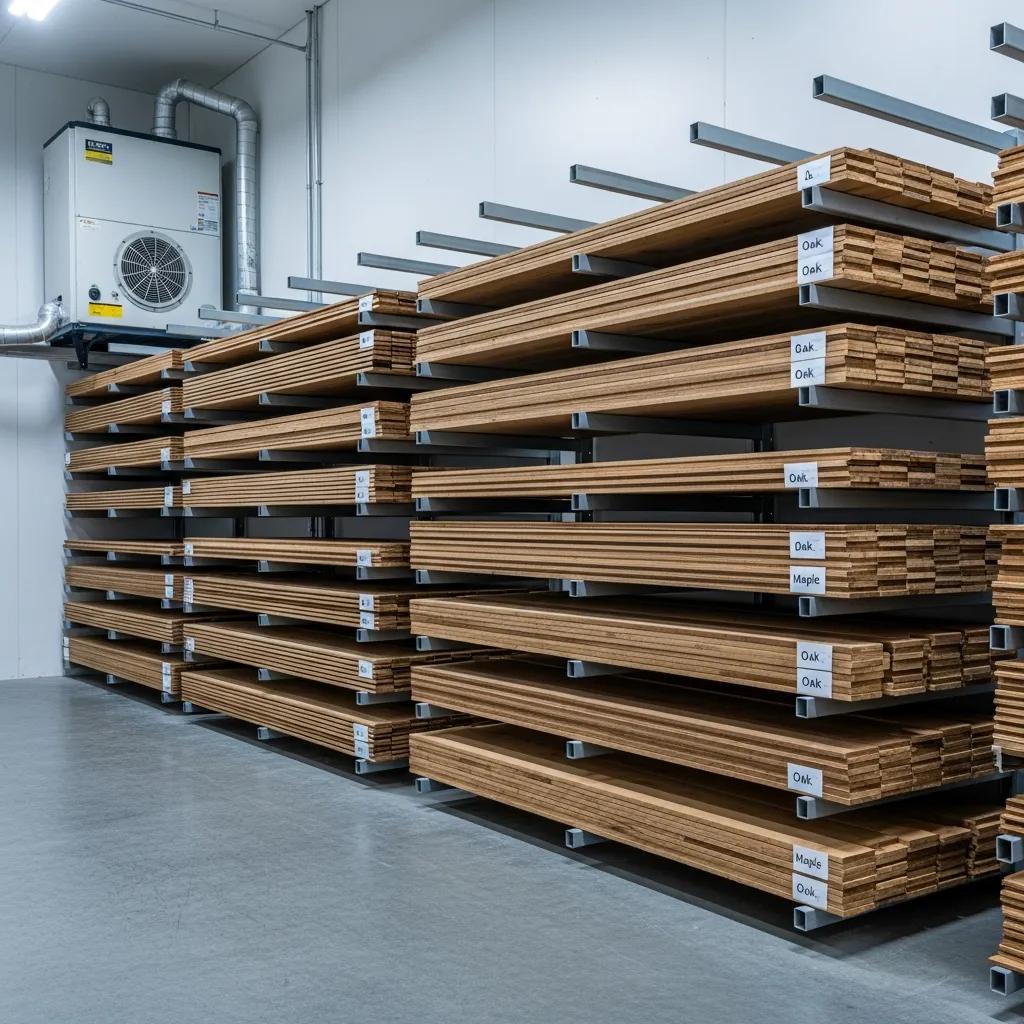
A good acclimation guide explains one simple truth about hardwood: it moves. Wood absorbs and releases moisture depending on the conditions in your home. If flooring is installed before the boards adjust to the room’s temperature and humidity, the wood will continue changing after it is locked into place. That is when warping shows up. Acclimation gives the boards time to reach a moisture level that better matches the installation space, so they behave more predictably once installed.
Warping is often the result of moisture imbalance. If boards go in with a higher moisture content than the home, they can swell and push against each other. If they go in too dry, they can shrink and leave gaps. Either way, the floor may shift in ways that are hard to fix later without removing and reinstalling boards. Following an acclimation guide helps reduce that risk by making sure the flooring and the subfloor are closer to the same moisture conditions before the first plank is installed.
What Signs Indicate Warping Due To Improper Acclimation?
Warping can show up in a few common ways, and the patterns can tell you a lot about what is happening. Cupping is when the edges of the boards rise and the center dips, creating a slight “U” shape. This often points to moisture issues, such as the underside of the board holding more moisture than the top. Crowning is the opposite, where the center of the board rises higher than the edges. Crowning can happen when a cupped floor is sanded too soon, or when the top of the wood swells from excess moisture.
Gaps between boards can also be a sign that the wood is shrinking after installation. Small gaps can be seasonal, but wide or uneven gaps may indicate the flooring was installed before it adjusted to the home’s normal conditions. Another clue is a floor that feels uneven underfoot, especially if the changes appear along edges, near exterior doors, or in rooms where humidity swings more often.
How Can You Maintain Flooring Stability After Installation?
After installation, stability comes from keeping conditions consistent. An acclimation guide should always mention that hardwood performs best when indoor humidity stays in a normal range and temperature does not swing dramatically. In humid areas or during wet seasons, a dehumidifier can help reduce moisture in the air, especially in basements or rooms that hold humidity. In drier seasons, adding moisture back with a humidifier can prevent boards from shrinking and forming larger gaps.
Ventilation matters too. Good airflow helps prevent moisture buildup near the floor, particularly in rooms that generate steam, such as kitchens and laundry areas. It also helps to wipe up spills quickly and avoid letting water sit on the surface, since standing water can cause swelling and staining.
Quick Acclimation Guide Reference
Engineered wood often needs around two to three days to adjust in the installation area because its layered construction is more stable. Solid hardwood commonly needs closer to five to seven days, since it reacts more noticeably to humidity changes. These timeframes are useful starting points, but moisture checks are the most reliable way to confirm readiness.
When you follow an acclimation guide and maintain consistent indoor conditions afterward, you lower the risk of warping and help your floor keep its shape and appearance over time.
The Importance of Proper Flooring Acclimation for Long-Lasting Results
Properly acclimating your new flooring is a non-negotiable step that ensures a stable, beautiful, and long-lasting installation. By allowing the materials to adjust to your home’s unique humidity and temperature, you prevent costly issues like warping, gapping, and buckling down the line. For flawless results and expert guidance every step of the way, trust the flooring professionals at Diaz Hardwood Floors. Don’t risk your investment—call 404-791-0444 today for a consultation or send us a message through our site form. Let our expertise guarantee a perfect fit and a stunning finish for your home.