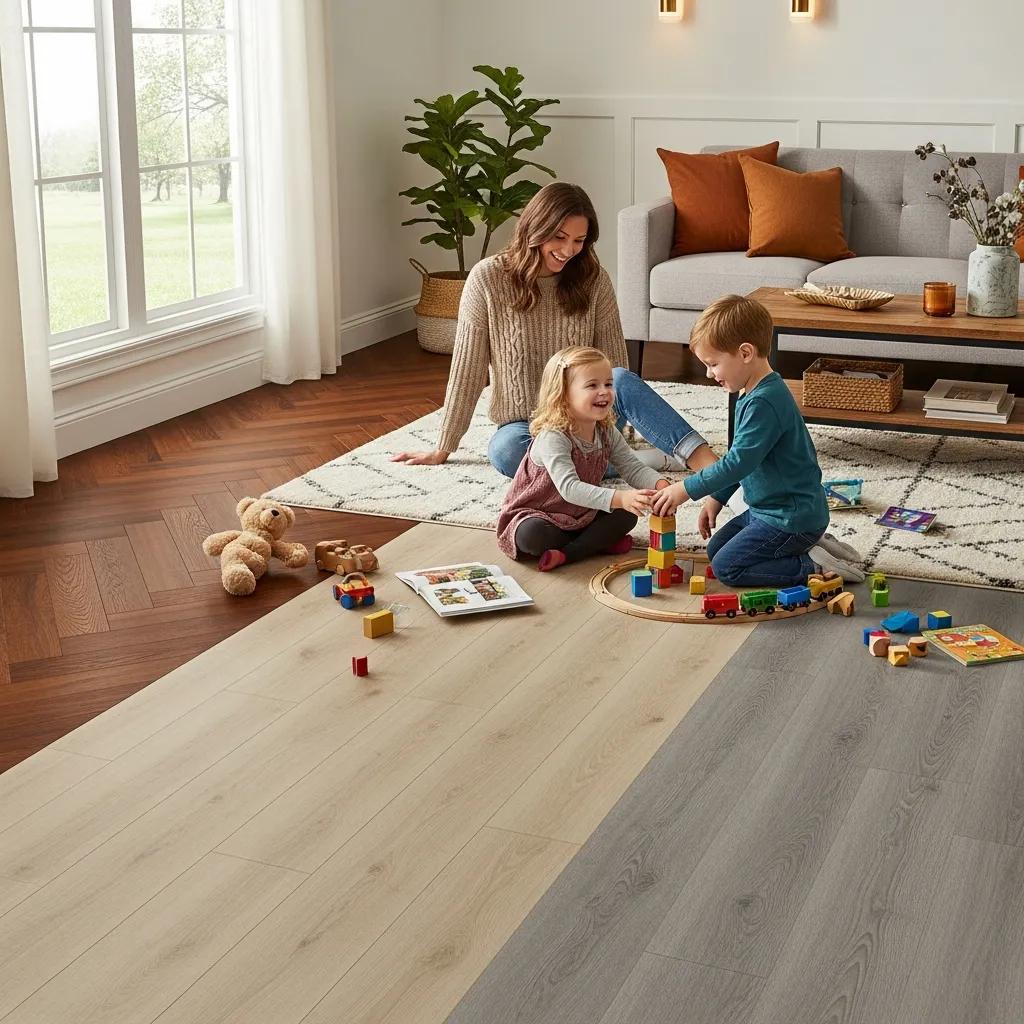
Laminate flooring is designed to handle daily life, but without the right care, scratches, dullness, and premature wear can quickly take away its polished look. Shoes, pet nails, furniture movement, and improper cleaning methods are some of the most common causes of surface damage. The good news is that laminate care that prevents scratches and wear on your floors doesn’t require complicated routines—just consistent, smart maintenance.
Using the correct cleaning products, protective pads, and simple preventative habits can extend the life of your flooring and preserve its finish. Avoiding excess moisture and harsh chemicals also plays a key role in keeping laminate surfaces smooth and intact.
With a few strategic steps, you can protect your investment, maintain shine, and keep your laminate floors looking clean and well-maintained for years to come.
Laminate Care That Extends Floor Life
What Are the Best Daily Cleaning Tips for Laminate Floors?
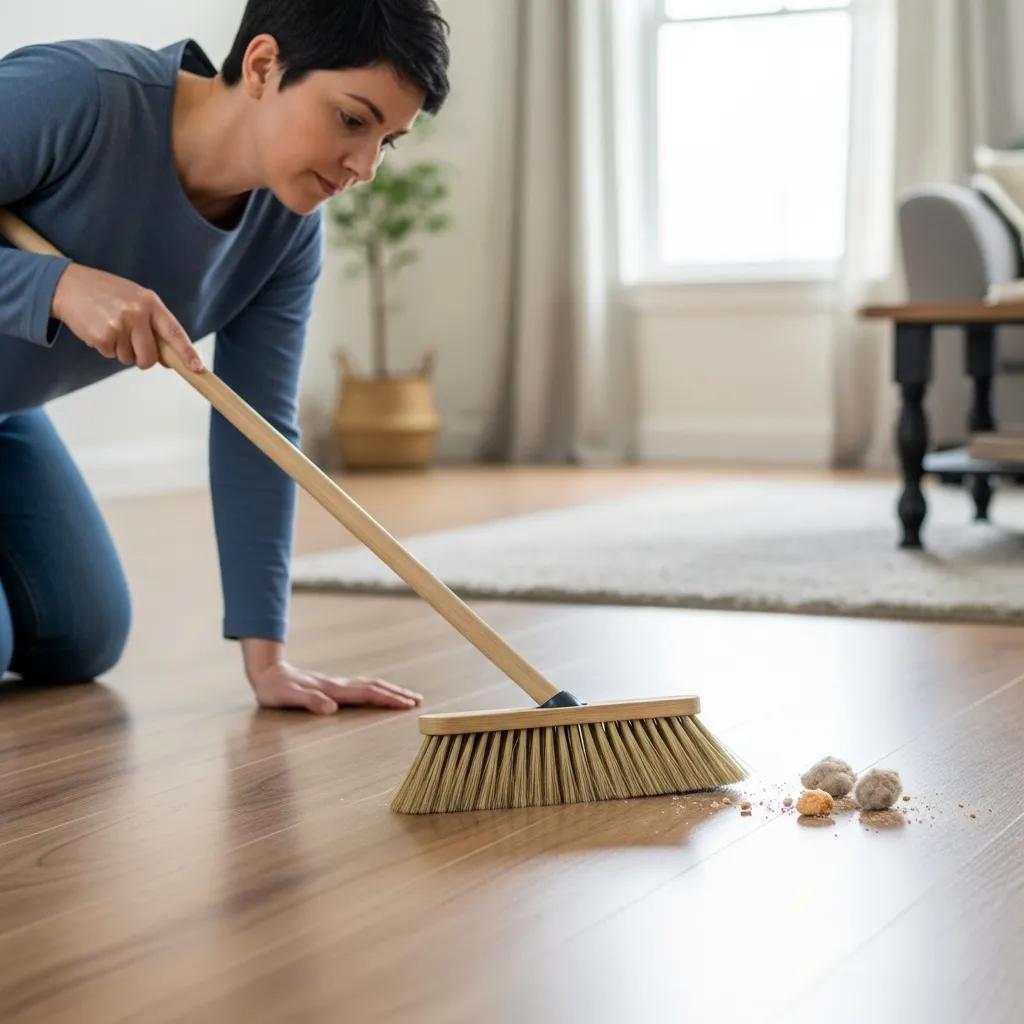
Good laminate care starts with the basics: keeping grit off the floor and keeping moisture under control. Laminate can handle everyday foot traffic, but the surface finish can show wear faster when dirt and sand get dragged across it. A simple daily routine keeps the floor looking clean without overworking it or using harsh products that leave residue.
Sweeping is usually the easiest first step. A soft broom or a microfiber dust mop works well because it picks up fine debris without scuffing the finish. Pay extra attention to entryways, around pet bowls, and in front of the sink, since those spots collect the most grit.
If you prefer vacuuming, make sure it is designed for hard floors and does not use a rotating brush. Brush rolls can leave small scratches over time, especially if the vacuum pulls in sand or small stones.
For quick touch-ups, a lightly damp microfiber cloth can help, but it should be damp, not wet. Laminate is not meant to be soaked, and too much water can seep into seams. If you like the look of a freshly cleaned floor, stick to a small amount of moisture and dry the area right after, so nothing sits on the surface.
Daily laminate care is also about what you do not do. Skip steam mops, abrasive scrubbers, and heavy-duty cleaners that promise to strip grime. Those products can dull the protective top layer and create a hazy buildup that makes the floor look older than it is.
How To Sweep And Vacuum Laminate Floors Safely
Safe sweeping is more about technique than speed. Use gentle passes and avoid grinding debris into the floor. Microfiber dust mops are ideal because they trap dust and pet hair instead of pushing it around. If you use a broom, choose a soft-bristle option and avoid stiff bristles that can leave light marks on the finish.
Vacuuming is fine for laminate as long as the vacuum is set up correctly. Use the hard-floor setting so the brush roll stays off. If your vacuum does not allow that, it is better to use a canister vacuum with a hard-floor attachment or a floor-safe stick vacuum. Also, check the wheels and underside of the vacuum occasionally. It only takes one small pebble stuck near a wheel to cause a scratch line across the room.
If you want to take laminate care a step further, consider adding doormats at exterior doors and placing felt pads under chair legs. That is not a cleaning step, but it reduces the grit and dragging that create wear, which makes daily cleaning easier and more effective.
Why Should You Wipe Spills Immediately To Prevent Damage
Spills are one of the fastest ways laminate floors get damaged, especially when the liquid sits long enough to work into seams. Laminate is built in layers, and while the top layer resists moisture, the edges and joints are more vulnerable. Water that gets into those seams can cause swelling, warping, or raised edges that never fully flatten again.
Staining is another reason to clean spills right away. Drinks like coffee, wine, juice, and soda can leave discoloration if they are left too long. Even clear water can create dull spots if it dries slowly and leaves mineral residue behind. A quick wipe with a dry cloth followed by a slightly damp cloth, then drying the area, is usually all it takes.
Immediate cleanup also matters for safety. Wet laminate can be slick, and small spills near the kitchen or entry can turn into a slip hazard faster than people expect. Keeping a soft cloth or paper towels nearby makes it easier to handle spills before they spread.
If you keep the routine simple, laminate care stays easy. Remove grit daily, avoid excess water, and treat spills as a quick clean-up task instead of something to handle later. Over time, those small habits do more to protect laminate floors than any specialty product ever will.
How Can You Maintain and Protect Your Laminate Floors Effectively?
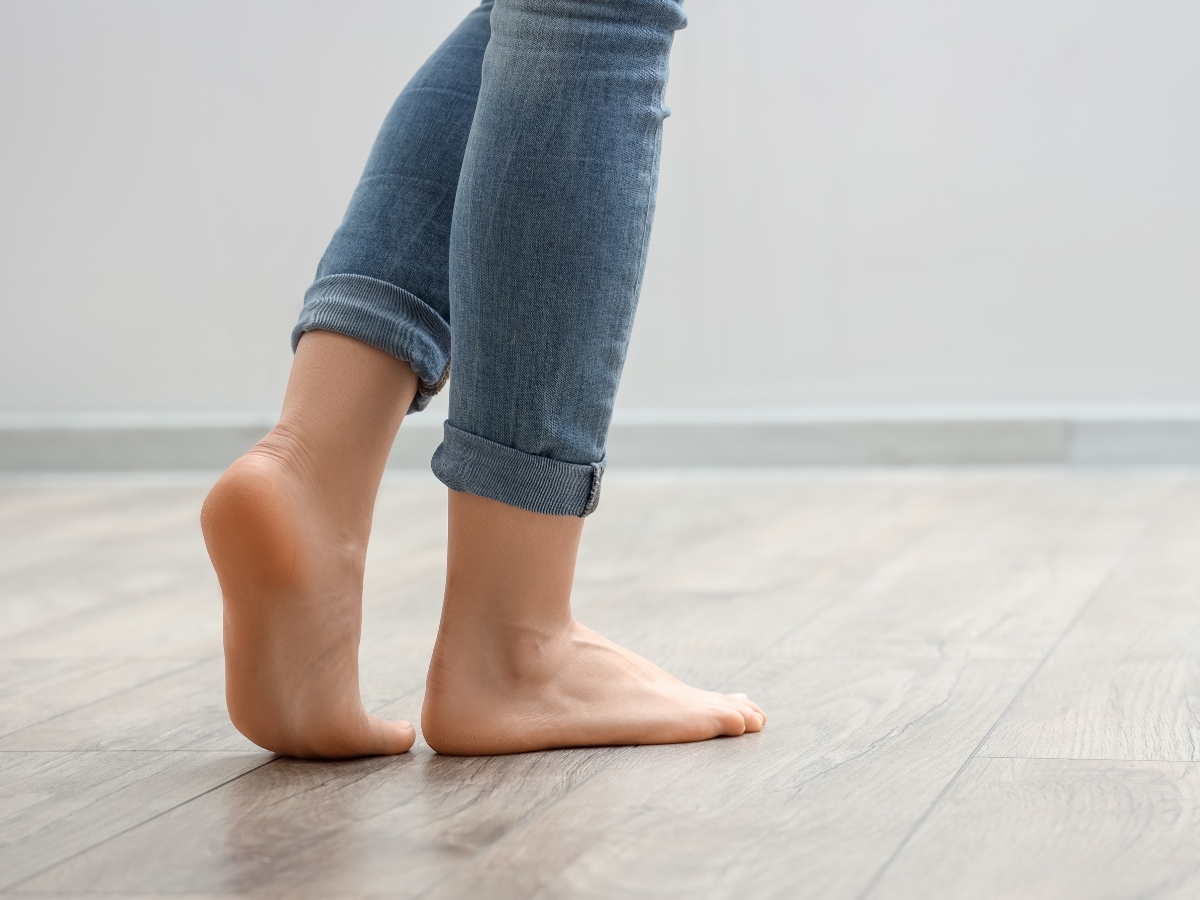
Good laminate care comes down to protecting the surface from everyday friction and keeping cleaning habits simple. Laminate is tough, but it can still show scratches, dullness, or edge swelling when it is treated like tile or hardwood. The goal is to reduce wear before it happens, then clean in a way that does not leave behind residue or excess moisture.
Start with what touches the floor the most. Chairs, tables, and any piece you slide even occasionally can leave marks over time. Felt or rubber furniture pads help prevent light scratches and the small dents that show up when weight sits in one spot for too long.
If you move furniture often, it is worth checking those pads regularly, since worn pads can trap grit and create the very scuffing you are trying to avoid.
Cleaning products matter more than people think. Abrasive powders and harsh formulas can wear down the protective top layer and leave the floor looking cloudy. Stick with a pH-neutral cleaner made for laminate, or a gentle cleaner recommended for sealed hard surfaces.
The key is using a lightly damp mop rather than a wet one, because standing water can seep into seams and cause the edges to lift. If you spill something, wipe it up soon instead of letting it sit, especially near plank joints.
What Are The Best Practices To Prevent Scratches And Wear?
If you want your floors to keep their finish, focus on the spots where damage starts: entryways, hallways, kitchens, and anywhere pets or kids run laps. Area rugs and runners are an easy way to cut down on grit that gets ground into the surface.
Choose rugs that sit flat and use a non-staining rug pad that is safe for laminate, since some backings can trap moisture or leave marks over time. A small mat inside and outside exterior doors also helps, because most scratches begin with dirt and tiny stones that get tracked in.
Shoes are another common source of wear. Hard soles can drag grit across the floor, and high heels can create pressure points that leave dents even when the surface looks clean.
You do not have to make your home feel like a shoe-free zone for everyone, but it helps to set the tone with a doormat and a simple habit of knocking off debris before walking through the house. If you have pets, keeping nails trimmed can also reduce light scratch marks, especially in areas where they pivot quickly.
Furniture checks should be part of routine laminate care as well. Look at chair legs and table feet occasionally to make sure there are no rough edges, staples, or damaged protectors.
Even a small burr can leave repeated scratch lines when a chair scoots in and out. For rolling chairs, consider a protective mat designed for hard floors, since wheels can cause visible wear patterns over time.
How Does Humidity Control Affect Laminate Floor Longevity?
Laminate floors react to changes in moisture in the air, and this is where many long-term issues start. Too much humidity can lead to swelling, especially near seams, while air that is too dry can cause planks to shrink slightly and leave small gaps. Keeping indoor humidity in a comfortable range helps the floor stay stable across seasons and reduces the chance of shifting or edge changes.
If you live in a humid climate or notice condensation indoors, a dehumidifier can make a noticeable difference. The same is true in cooler months when homes can get very dry, especially if you use air conditioning frequently or run heating systems that pull moisture out of the air.
In those cases, a humidifier may help keep conditions more consistent. A basic hygrometer is useful if you want a quick read on what is happening indoors without guessing.
The biggest takeaway is that laminate care is not complicated, but it does reward consistency. Protect the surface where friction happens, clean gently without over-wetting, and keep indoor moisture steady so the planks can stay properly set. With those habits, laminate floors tend to hold up well and keep their look for years without needing anything elaborate.
What Are the Recommended Methods for Repairing Laminate Floor Damage?
Laminate floors are built to handle daily life, but damage can still happen, especially in busy areas where grit, pets, or moving furniture are part of the routine.
The good news is that many common problems are fixable if you deal with them early and use the right approach for the type of damage. Laminate care is not only about cleaning and prevention, because knowing how to handle scratches and moisture issues can help you avoid bigger repairs later.
Before you start, take a minute to identify what you are looking at. A faint surface scuff is very different from a deep scratch that catches your nail, and both are different from swelling caused by water.
Once you know the category, the fix becomes much more straightforward. It also helps to clean the area first, since dirt in or around the scratch can make repairs look uneven or keep fillers from bonding well.
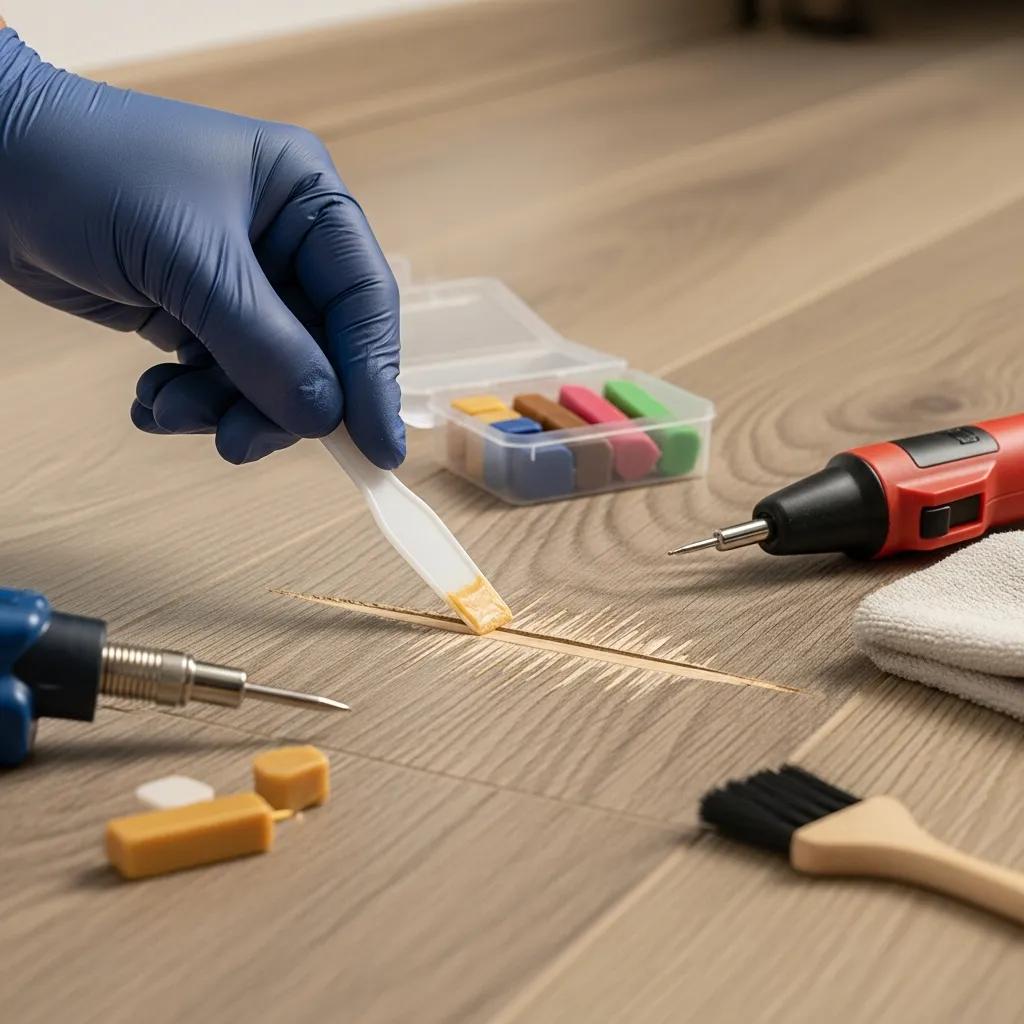
For light, surface-level scratches, a color-matched repair marker or wax crayon is often enough to make the mark blend into the finish. These products do not remove the scratch, but they camouflage it so your eye stops landing on it.
For deeper scratches, you may need a laminate repair kit that includes a filler or putty. These are designed to sit in the damaged groove and create a smoother surface, which is important if the scratch is wide enough to collect dirt or snag a mop.
Water damage is the category that needs the most caution. If the top layer looks bubbled, the edges look swollen, or the planks are lifting at the seams, it usually means moisture has gotten where it should not. In those cases, drying alone may not reverse the damage.
Replacing the affected planks is often the most reliable fix, but only after the area beneath is completely dry so the problem does not return.
How To Repair Minor And Deep Scratches On Laminate Floors
Minor scratches are usually the easiest to handle, and a simple touch-up can make a floor look significantly better. Start by vacuuming or sweeping the area, then wipe it with a slightly damp cloth and let it dry fully.
When you apply a repair marker or wax crayon, work slowly and lightly, building color in thin passes rather than trying to cover everything at once. After it sets, gently buff with a soft cloth to even out the finish.
Deep scratches take a bit more patience, but they are still manageable for many homeowners. A laminate repair kit typically includes a filler and an applicator. After cleaning and drying the damaged spot, press the filler into the scratch so it sits level with the surrounding surface.
Smooth it carefully so you do not leave ridges, and then let it cure as directed on the product label. If the instructions allow it, a very light buffing once it is dry can help blend the repair into the surrounding area. The goal is a smooth finish that does not catch dirt and does not stand out under normal light.
If the scratch is long or in a highly visible area, test your color match in a less noticeable spot first. Laminate patterns often include variations in tone, so a close match usually looks more natural than a shade that is too dark or too bright.
As part of ongoing laminate care, it also helps to address what caused the scratch in the first place, whether that means adding felt pads to chairs or using a rug in a high-traffic path.
When Should You Seek Professional Help For Water Damage Repair?
Water is where laminate can go from fine to ruined quickly, so it is worth taking signs seriously. If you see planks that are visibly warped or buckled, that usually indicates swelling beneath the surface, not just a little dampness on top.
Another red flag is moisture that does not seem to go away, even after you dry the area and improve airflow. That can point to moisture trapped underneath the floor or a leak that is still active. You should also be cautious if you notice a musty smell or any signs of mold or mildew near baseboards or along plank seams. Mold is not something to handle casually, especially if the moisture source is not clear.
Professionals can assess how far the moisture has spread, determine whether the underlayment is affected, and replace planks without causing additional damage to surrounding sections.
Even if you choose to bring in help, the early steps still matter. If a spill or leak happens, dry the area quickly, run a fan if possible, and avoid using heat that could force moisture deeper into seams. Good laminate care includes quick response habits, and that is often what makes the difference between a small repair and a much larger replacement later.
Which Cleaning Products And Tools Are Best For Laminate Floors?
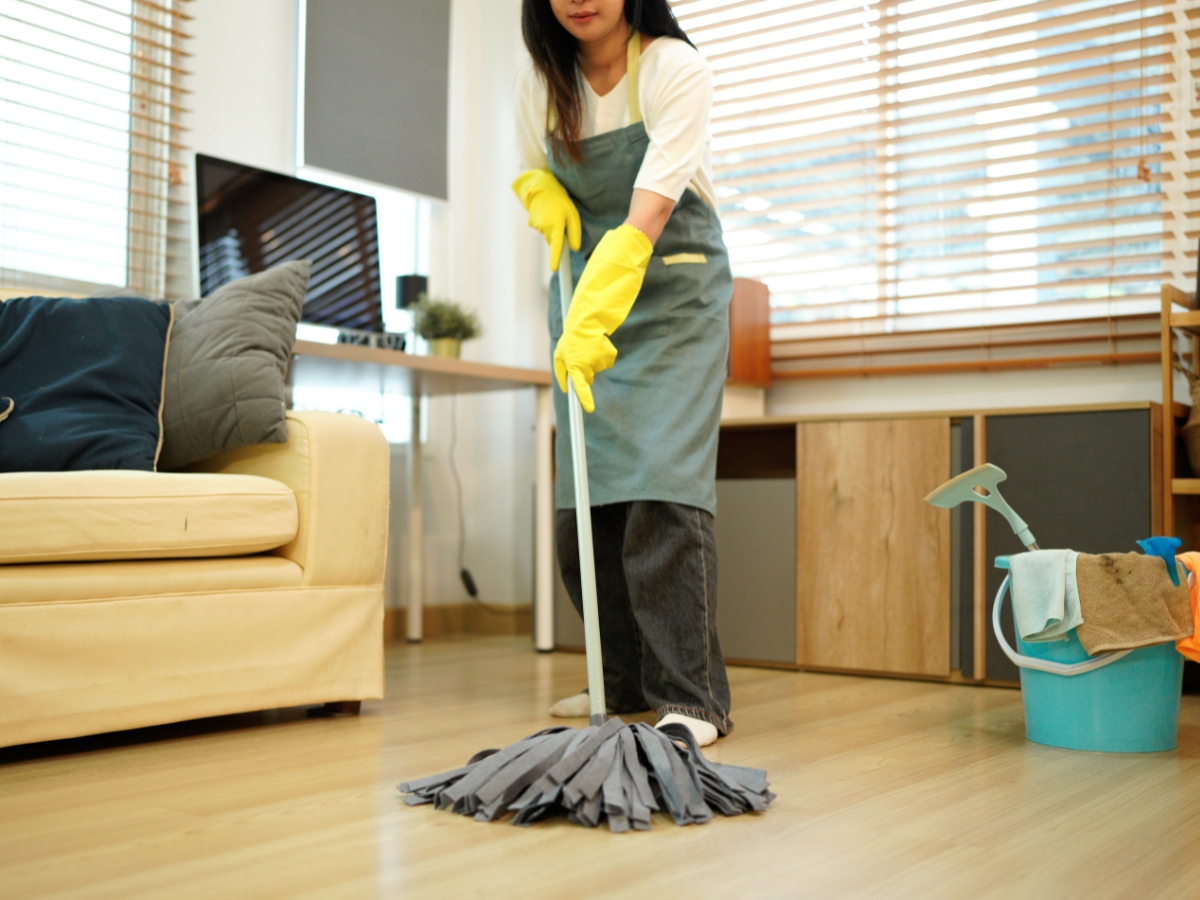
The best results with laminate care usually come from using simple tools and gentle cleaners, not stronger chemicals or heavy scrubbing. Laminate has a protective wear layer that helps it resist stains and scuffs, but that same surface can look dull or streaky if the wrong product leaves residue behind.
Moisture is another concern, since water that sits too long can work its way into seams and cause edges to swell. With that in mind, the “best” cleaning setup is one that removes grit efficiently while keeping the floor only lightly damp.
For day-to-day upkeep, a microfiber mop is one of the most reliable tools you can use. Microfiber attracts and traps dust, pet hair, and fine debris that would otherwise get pushed around and act like sandpaper under shoes. It also helps you avoid harsh scrubbing, because the fibers do most of the work.
A soft-bristle broom and a vacuum with a hard-floor setting can also be helpful, as long as the vacuum is not using a rotating brush that can scuff the finish.
When it comes to cleaners, look for formulas labeled as pH-neutral and designed for laminate. These products are made to lift grime without stripping the finish or leaving a sticky film. They also tend to rinse clean, which matters more than people realize. A cleaner that leaves residue will attract more dirt, meaning the floor looks dirty again faster and needs more frequent washing.
Good laminate care is as much about what you avoid as what you use, so skip abrasive powders, steam mops, and anything that promises to “polish” with a waxy shine. Those products can build up over time and make the floor look cloudy.
What Are The Benefits Of Using Microfiber Mops And pH-Neutral Cleaners?
Microfiber mops are popular for a reason: they clean effectively without being rough on the surface. Instead of relying on force, microfiber grabs particles and holds them, which reduces scratching caused by dragging grit across the floor.
This is especially useful in entryways and kitchens where tiny bits of debris are common. Microfiber pads are also easy to rinse and replace, so you can avoid cleaning with a dirty pad that just spreads grime around.
pH-neutral cleaners support laminate care because they clean without breaking down the protective top layer. Many all-purpose cleaners are either too acidic or too alkaline, and over time that can contribute to dullness, streaks, or a finish that feels slightly tacky.
A laminate-safe cleaner is formulated to remove oils and everyday buildup while still being gentle. That balance matters if you want the floor to keep its original look, especially in areas where light hits the surface and shows every bit of residue.
Used together, microfiber and a pH-neutral cleaner create a routine that is easy to repeat. You can dry mop often to pick up dust, then do a light damp clean when the floor needs it, without feeling like you are constantly battling streaks or risking water damage.
How To Use DIY Natural Cleaning Solutions Without Causing Streaks
DIY solutions can work for laminate, but they need a light touch. Vinegar is the most common “natural” option people reach for, and it can cut through mild film when diluted properly. The key is using it sparingly and not treating it like a deep cleaner you use every time. Overuse can contribute to a dull look, and too much liquid can seep into seams.
If you want to use a vinegar solution occasionally, mix a small amount of white vinegar into warm water, keeping the blend heavily water-based. Apply it with a spray bottle or by lightly dampening your microfiber mop, rather than pouring it into a bucket and soaking the mop.
Your mop should feel barely damp, not wet enough to leave puddles behind. After you pass over an area, it should dry within a couple of minutes. If it takes longer, you are using too much solution.
Streaks usually come from either excess cleaner or a dirty pad. To avoid that, change or rinse your microfiber pad once it starts looking gray, and do a quick final pass with a clean, slightly damp pad if you notice any haziness. With laminate care, consistency beats intensity. A gentle routine done regularly will keep floors looking clean without buildup, streaks, or unnecessary wear.
Conclusion
With proper care and maintenance, your laminate floors can retain their beauty and withstand the demands of daily life for years to come. Simple habits like using felt pads, cleaning with the right products, and addressing spills promptly make all the difference in preventing unsightly scratches and premature wear.
For expert advice, quality materials, and professional laminate installation that sets your floors up for success, trust Diaz Hardwood Floors. Ready to enjoy beautiful, long-lasting laminate floors? Call 404-791-0444 today or send us a message through our contact form for a consultation. Let us help you protect your investment with floors that perform and endure.