Frequently Asked Questions
What materials are used in laminate flooring?
Laminate flooring is primarily made from four key materials: a high-density fiberboard core for durability, a printed layer for design, a durable wear layer for protection, and a backing layer for stability.
How long does laminate flooring last?
Laminate flooring typically lasts between 15 to 25 years, depending on the quality of the product and maintenance. Proper care and installation can significantly extend its lifespan, making it a durable option for any space.
Can laminate flooring be refinished?
Laminate flooring cannot be refinished. Unlike hardwood, the surface layer of laminate is too thin to sand down and refinish; instead, replacing damaged planks is the recommended solution for maintaining its appearance.
What is the best way to clean laminate?
The best way to clean laminate is to use a damp microfiber mop or cloth with a mild cleaner specifically designed for laminate surfaces. Avoid excess water and harsh chemicals to maintain the integrity of the flooring.
How is laminate flooring installed correctly?
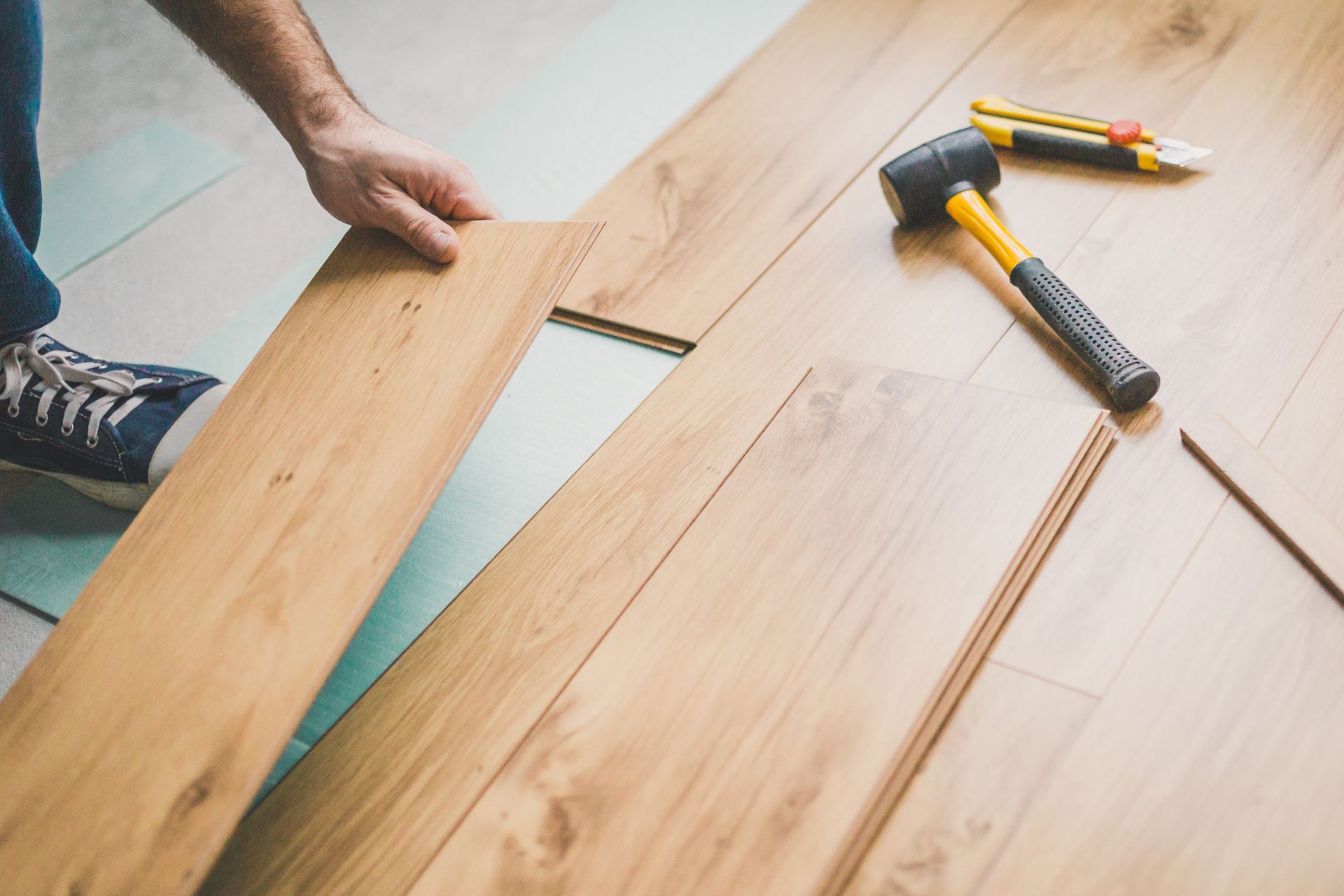
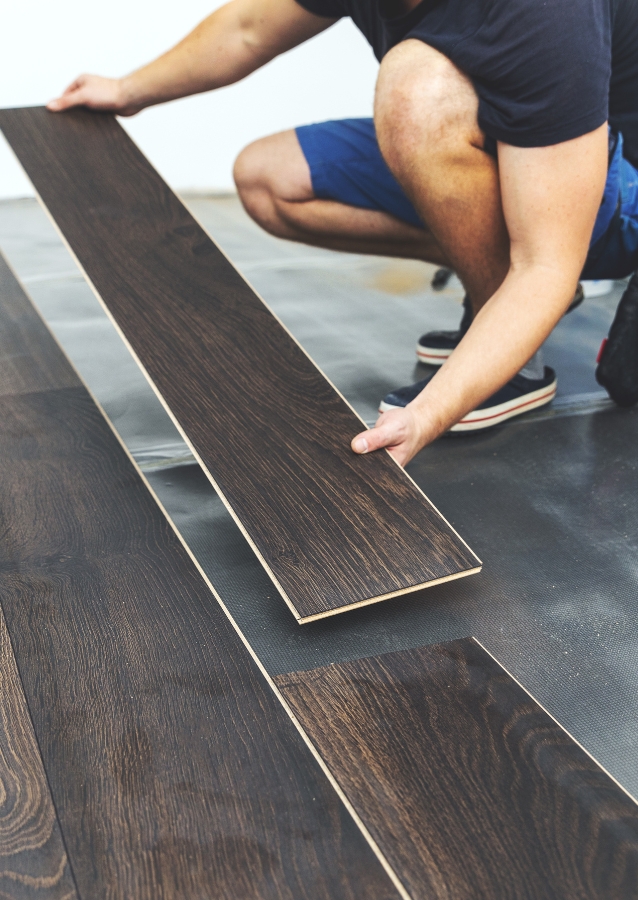
Installing laminate flooring correctly involves preparing the subfloor, ensuring it is clean and level, then laying down an underlayment. Next, the laminate planks should be installed in a staggered pattern, following manufacturer guidelines for expansion gaps along walls.
Can laminate flooring withstand heavy furniture?
Laminate flooring can withstand heavy furniture to a certain extent. However, it is advisable to use protective pads under the furniture legs to prevent dents and scratches. Proper care will help maintain its appearance and durability.
What colors are available for laminate flooring?
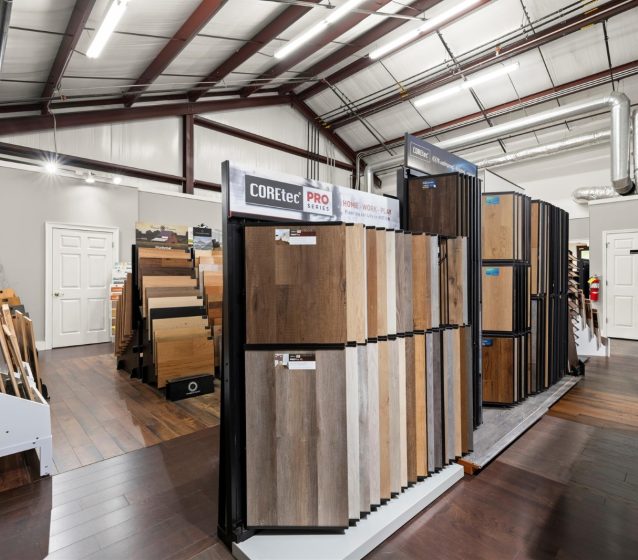
The colors available for laminate flooring are diverse, including natural wood tones like oak and walnut, as well as contemporary shades such as gray, white, and black. This variety allows you to choose a style that complements your interior design perfectly.
Is laminate suitable for bathroom installation?
Laminate is not typically recommended for bathroom installation. Its susceptibility to moisture can lead to warping and damage, making it less ideal for areas exposed to high humidity and water.
How does laminate perform in humid areas?
Laminate performs moderately well in humid areas due to its construction, which makes it more resistant to moisture than traditional hardwood. However, excessive humidity can still lead to expansion or warping, so proper acclimation and maintenance are essential.
What are common issues with laminate flooring?
Common issues with laminate flooring include water damage, scratching, and fading. Additionally, improper installation can lead to warping or gaps between planks, affecting both appearance and durability.
How is laminate flooring maintained long-term?
Long-term maintenance of laminate flooring involves regular sweeping or vacuuming to remove dirt and debris, along with occasional damp mopping using a pH-neutral cleaner. Avoid excessive water exposure and harsh chemicals to preserve its appearance and durability.
Can laminate flooring increase home value?
Laminate flooring can indeed increase home value by providing an attractive, cost-effective alternative to hardwood, appealing to potential buyers and enhancing the overall aesthetic of your space.
What is the warranty on laminate flooring?
The warranty on laminate flooring typically ranges from 10 to 30 years, depending on the manufacturer's specifications and the quality of the product. It often covers wear, fading, and staining, but not damage from moisture or improper installation.
How does laminate flooring compare to hardwood?
Laminate flooring and hardwood differ primarily in material and maintenance. While hardwood offers natural beauty and durability, laminate provides a cost-effective, scratch-resistant alternative with various styles but lacks the long-term lifespan and authenticity of real wood.
What underlayment is recommended for laminate?
The recommended underlayment for laminate flooring is typically a foam or felt material, which helps with sound absorption, moisture protection, and providing a smooth surface for installation.
Can laminate flooring be installed on stairs?
Laminate flooring can be installed on stairs, but it requires proper planning and techniques to ensure safety and durability. Use stair nose trim for a polished finish and to prevent slipping.
How to repair scratches on laminate flooring?
Repairing scratches on laminate flooring can be accomplished by using a laminate floor repair kit or rubbing wax pencils that match your floor color. Clean the affected area, apply the product, and blend it in for a seamless finish.
What is the texture of laminate flooring?
The texture of laminate flooring can vary widely, with options ranging from smooth and glossy to textured surfaces that mimic the look of natural wood or stone. This variety allows for aesthetic flexibility in home or business designs.
Does laminate flooring expand and contract?
Laminate flooring does indeed expand and contract. This natural phenomenon occurs due to changes in temperature and humidity, which can affect the material's dimensions. Proper installation allows for this movement, ensuring a durable and stable floor.
How to choose the right laminate thickness?
Choosing the right laminate thickness depends on the intended use and subfloor type. Thicker laminates (12mm or more) are ideal for high-traffic areas and provide better durability, while 8mm is suitable for light residential use.
Are there eco-friendly laminate flooring options?
Eco-friendly laminate flooring options are available. These products are often made from recycled materials and have low VOC emissions, making them a sustainable choice for environmentally conscious consumers.
How to prevent moisture problems with laminate?
Preventing moisture problems with laminate involves ensuring proper installation by leaving expansion gaps, using a moisture barrier, and maintaining indoor humidity levels between 30-50%. Regularly cleaning spills promptly also helps protect your laminate flooring from water damage.
What is the installation timeline for laminate?
The installation timeline for laminate typically ranges from one to three days, depending on the size of the area, preparation needed, and the complexity of the layout.
Can pets scratch laminate flooring easily?
Pets can scratch laminate flooring easily. Although laminate is more resistant to scratches than some flooring options, active pets can still cause wear over time, especially with their claws. Regular maintenance can help minimize damage.
How does laminate flooring affect indoor air quality?
Laminate flooring can impact indoor air quality by releasing low levels of volatile organic compounds (VOCs) during installation and over time. However, high-quality laminate products that meet regulatory standards often minimize these emissions, contributing to a healthier indoor environment.
What tools are needed for laminate installation?
The tools needed for laminate installation include a laminate flooring cutter, measuring tape, straightedge, spacers, rubber mallet, tapping block, and a pry bar. These tools ensure a precise and efficient installation process.
Is laminate flooring resistant to mold?
Laminate flooring is generally resistant to mold, as it is manufactured with moisture-resistant materials and sealed surfaces that prevent water absorption. However, prolonged exposure to moisture can still lead to mold growth if not properly maintained.
How to handle seams in laminate flooring?
Handling seams in laminate flooring involves ensuring proper alignment during installation and using a seam filler if necessary. Additionally, it's essential to leave appropriate expansion gaps to accommodate floor movement and prevent buckling.
Can laminate flooring be installed in kitchens?
Laminate flooring can be installed in kitchens. It is durable and resistant to scratches, but proper sealing is essential to protect against moisture damage, ensuring longevity and maintaining its appearance in this high-traffic area.