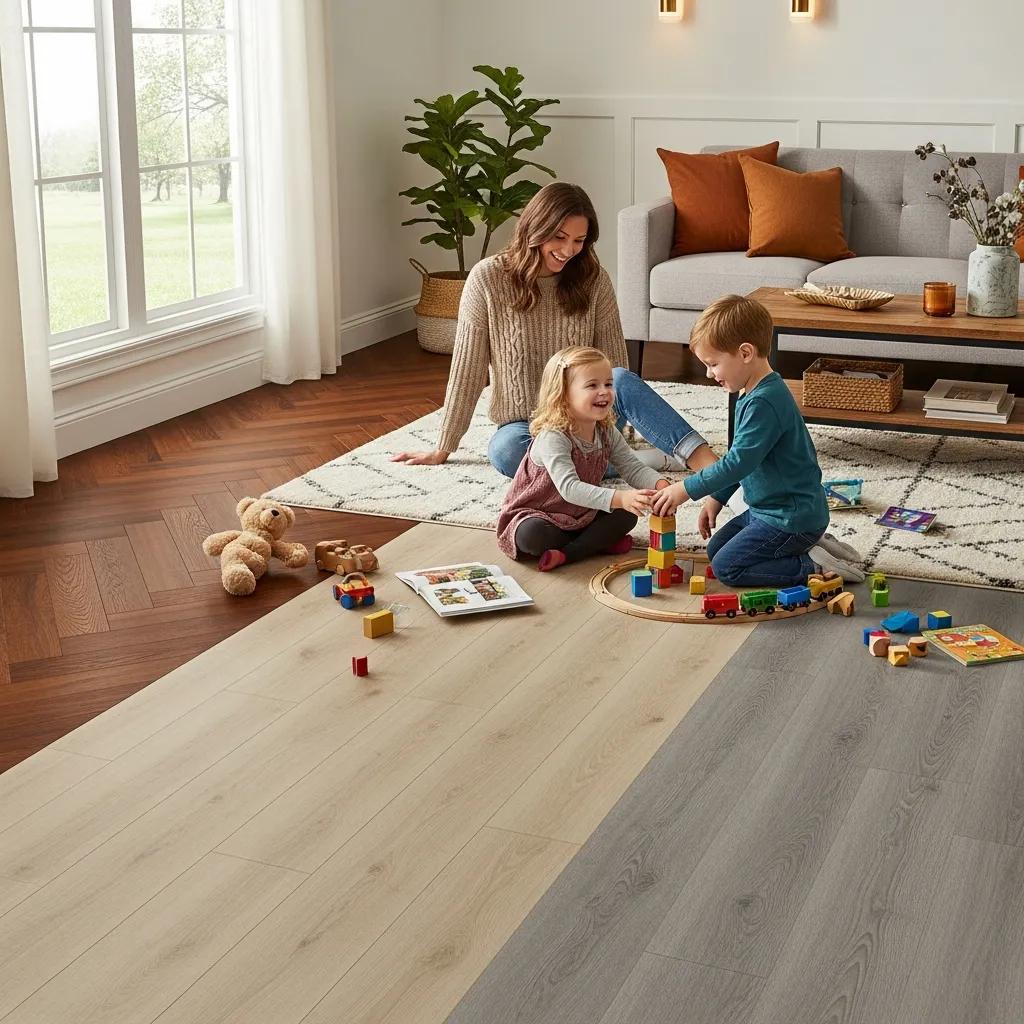
Choosing durable, high traffic flooring is essential for busy homes, where foot traffic, pets, and daily activities demand a surface that combines resilience with easy maintenance. From luxury vinyl plank and laminate to commercial-grade tile and engineered hardwood, the right material can withstand the rigors of an active household while maintaining its aesthetic appeal for years.
This guide explores the best flooring options for high-traffic areas, comparing their durability, comfort, and style to help you select a floor that stands up to your family’s lifestyle.
High Traffic Flooring for Kids, Pets, and Heavy Use
What Are the Most Durable Flooring Types for High Traffic Areas?
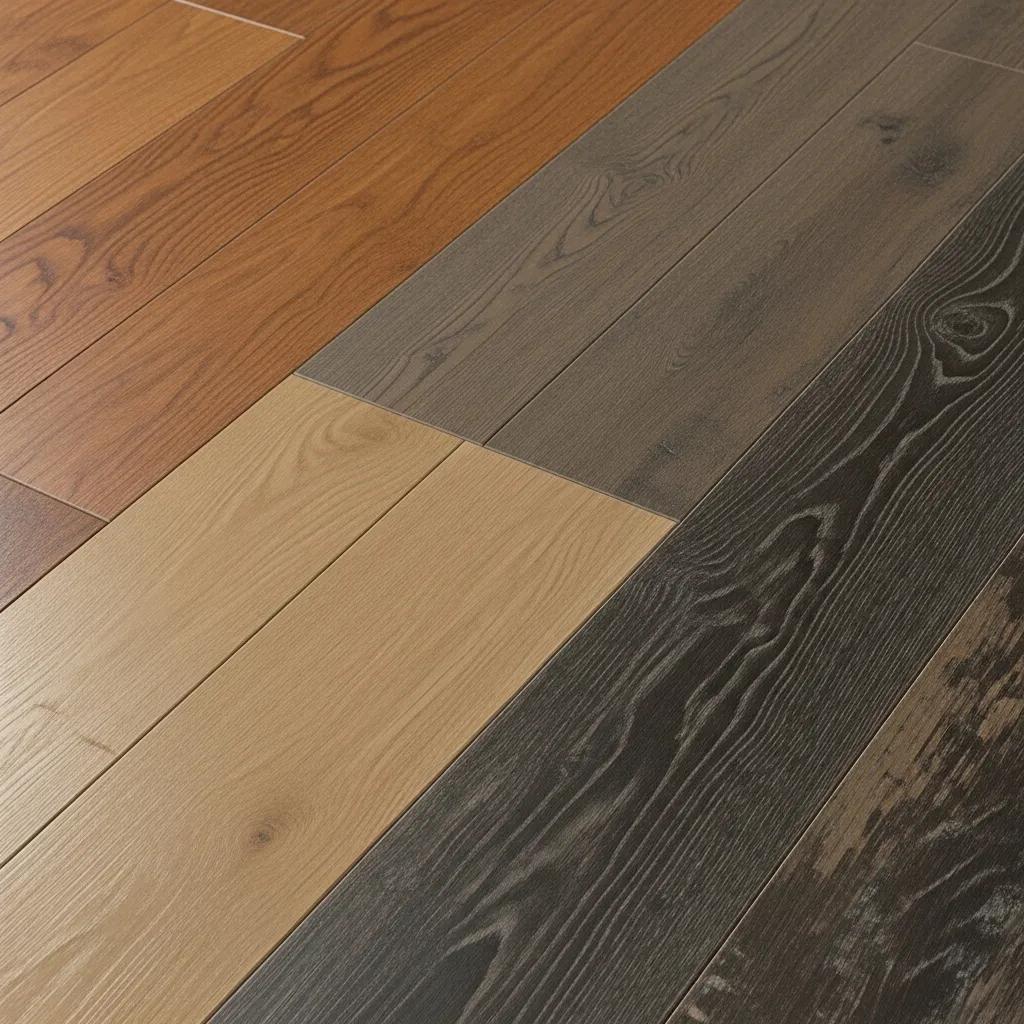
Choosing flooring for a busy home or commercial space is not just about looks. It is about picking a surface that can handle daily wear without constantly showing scuffs, scratches, or dull spots. High traffic flooring needs to stand up to repeated foot traffic, furniture movement, pets, and the occasional spill, all while staying easy to clean. The right choice depends on where the flooring is going, how much moisture the space sees, and how much maintenance you are comfortable with over time.
Some of the most common durable options for high traffic flooring include solid hardwood, engineered hardwood, laminate, and luxury vinyl plank. Each has strengths, but they do not perform the same way in every setting. A hallway that gets constant foot traffic, a playroom with toys sliding around, and a kitchen with frequent spills all demand slightly different features.
How Do Hardwood, Engineered Hardwood, And Laminate Compare In Durability?
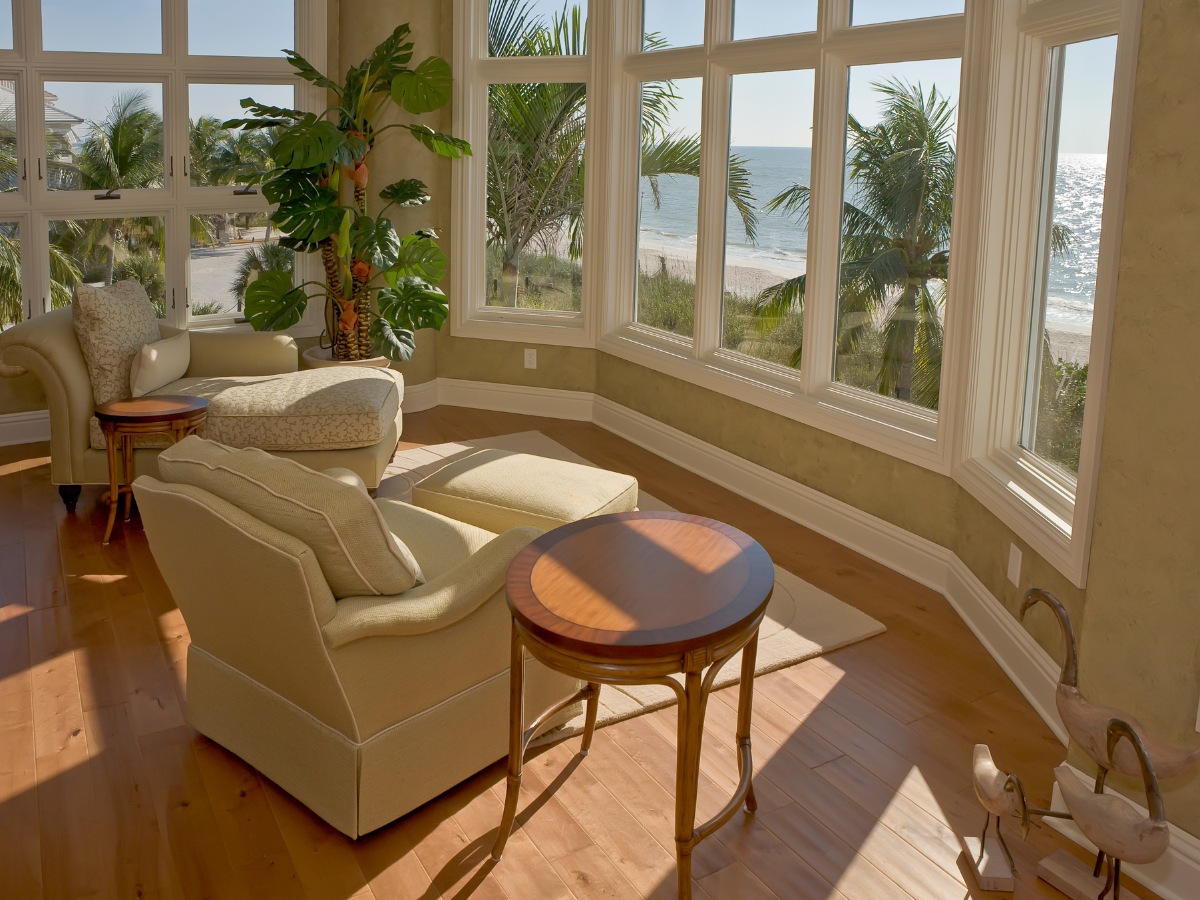
Solid hardwood is popular because it looks classic and can last a long time. It can also be refinished, which helps extend its life if the surface gets worn. The tradeoff is that hardwood can show scratches and dents more easily than some alternatives, especially in homes with pets or heavy daily activity. It can still work as high traffic flooring, but it performs best when paired with protective measures like felt pads on furniture and regular cleaning that keeps grit from acting like sandpaper.
Engineered hardwood offers a similar look but tends to be more stable than solid wood because of how it is constructed. This can make it a better fit in spaces where humidity changes are common. It still has a real wood surface, so it can scratch, but many homeowners find it more forgiving than solid hardwood in a busy household. Depending on the product, engineered hardwood may also allow limited refinishing, which can help with long-term upkeep.
Laminate is often chosen for high traffic flooring because it is designed to resist scratches and surface wear. It is also typically easier to maintain than wood, since it does not require refinishing. The main consideration is moisture. Many laminate products handle everyday messes well, but standing water can still cause problems if it seeps into seams. For dry, high-use spaces like hallways, playrooms, and living areas, laminate can be a practical option that keeps its appearance with less effort.
What Makes Luxury Vinyl Plank Ideal For Busy Homes?
Luxury vinyl plank, often called LVP, is a strong choice for households that need durability without a lot of maintenance. One of the biggest advantages is water resistance, which makes it a common pick for kitchens, entryways, mudrooms, and other areas where spills happen. LVP is also designed to resist scratches and scuffs, which helps it hold up well in homes with kids and pets.
LVP has another benefit that matters for high traffic flooring: it is easy to clean. Most of the time, regular sweeping and occasional mopping are enough to keep it looking good. It also tends to be more comfortable underfoot than tile, and it can reduce noise compared to harder surfaces, depending on the underlayment and installation method.
Because vinyl is naturally resistant to moisture and many everyday household chemicals, it is often a dependable option for high-use areas that need both durability and simple upkeep. If your top priorities are scratch resistance, water resistance, and ease of cleaning, LVP is one of the most practical high traffic flooring choices available.
Which Flooring Options Are Best for Kid and Pet Friendly Homes?
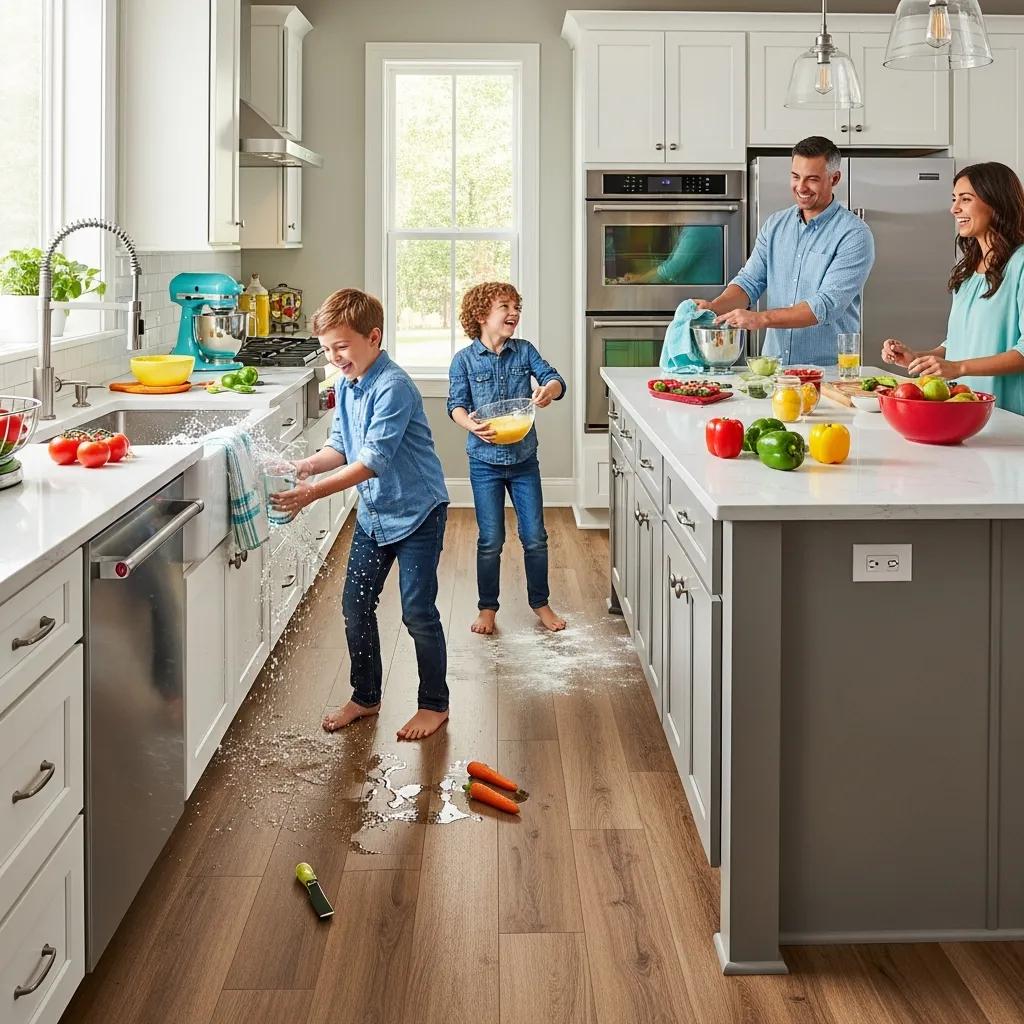
If your home has kids, pets, or both, flooring takes a beating in ways that are easy to underestimate. Spills happen, toys get dragged, claws click across the floor, and the entryway turns into a landing zone for everything from muddy shoes to wet umbrellas. In that kind of environment, high traffic flooring needs to do more than look good on day one. It has to hold up under daily wear, clean up easily, and still feel comfortable underfoot.
The best options for many families tend to be luxury vinyl plank, laminate, and certain carpets designed with stain protection. Each choice has tradeoffs, so it helps to think about where you need durability most, and where comfort matters more.
What Are The Scratch Resistant Flooring Options Suitable For Families?
Scratch resistance is usually the biggest concern in kid and pet friendly homes, especially if you have dogs that run inside or kids who play with ride-on toys. Luxury vinyl plank is often a top choice for high traffic flooring because it is built with a tough wear layer designed to resist scratches and scuffs. It can still show damage if grit is constantly tracked in, but it generally handles everyday activity well when you keep the surface clean and use mats at entrances.
Laminate flooring is another strong option for families because it tends to resist surface scratching better than many people expect. Modern laminate is designed to handle heavy use, and it is often chosen for hallways, playrooms, and living spaces where traffic stays consistent. The main thing to watch with laminate is moisture. It can handle routine cleaning, but standing water can cause trouble if it gets into seams. For dry areas where you need high traffic flooring that is simple to maintain, laminate can be a practical and budget-friendly pick.
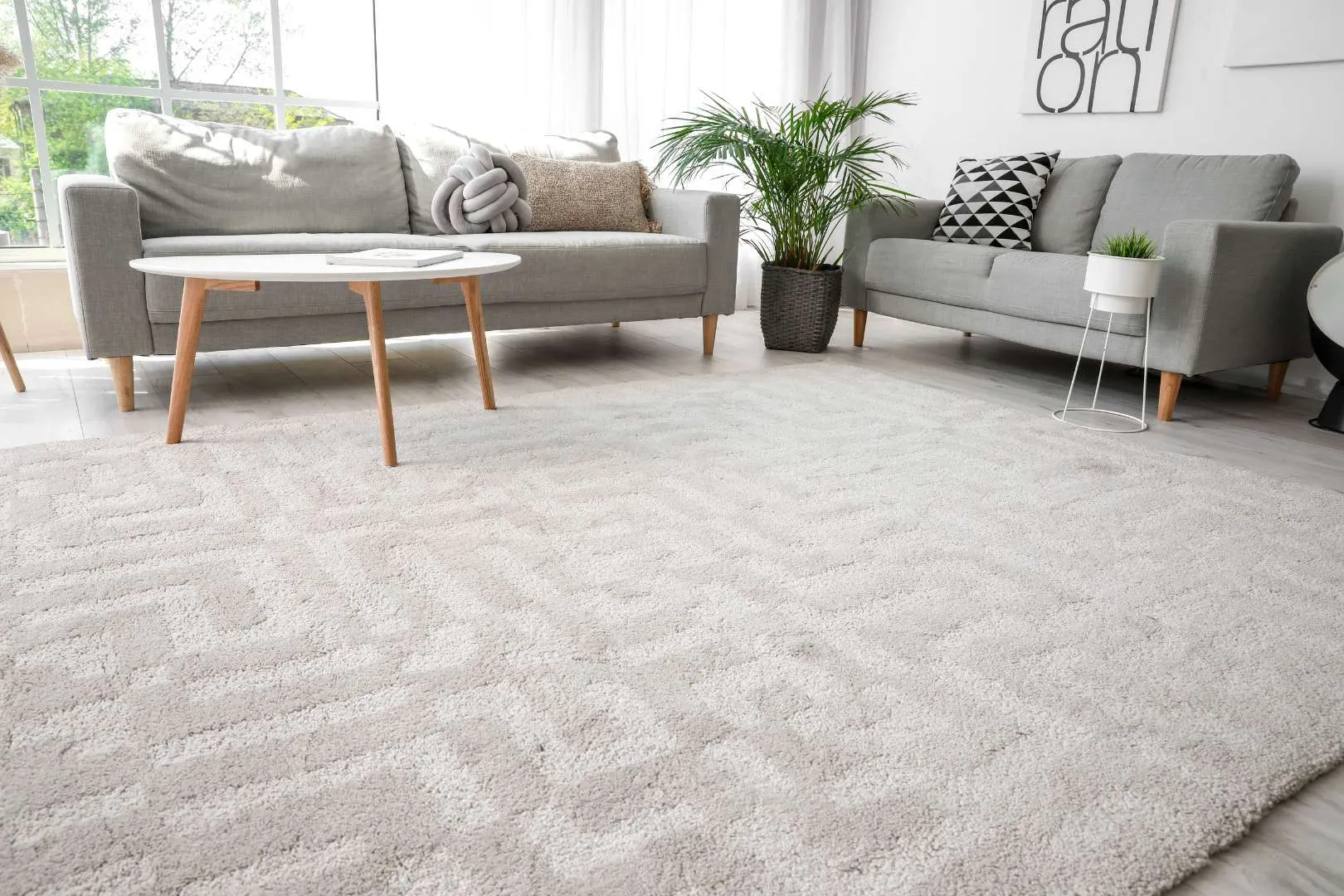
Carpet can still make sense in family homes, especially in bedrooms, nurseries, or upstairs areas where comfort and warmth matter. The key is choosing carpet that includes stain resistance and is easier to clean than older styles. Low-pile or tightly looped options typically handle wear better than plush carpet, and they are less likely to show heavy foot paths over time.
How Does Waterproof Flooring Benefit Busy Households?
Waterproof performance can be a game changer in homes with kids and pets. Spilled drinks, pet accidents, wet shoes, and bath-time splashes are all common, and flooring that absorbs moisture can start to look worn quickly. Luxury vinyl plank stands out here because it is designed to handle moisture without warping in the way wood-based products can. That makes it a reliable high traffic flooring option for kitchens, mudrooms, laundry areas, and entryways.
Waterproof flooring also supports simpler cleaning routines. You can mop more confidently, and you do not have to worry as much about occasional messes turning into lasting damage. For families, that often matters just as much as scratch resistance, since the day-to-day goal is usually to keep the space livable, not perfect.
Choosing The Best Fit For Your Home
The best kid and pet friendly flooring choice depends on how your household actually uses each room. If you want the most straightforward mix of durability and water resistance, luxury vinyl plank is hard to beat for high traffic flooring. If you want strong scratch resistance in living spaces and do not expect frequent moisture, laminate can work well. If comfort is the priority in quieter rooms, stain-resistant carpet can still be a smart option when chosen carefully. is particularly beneficial in kitchens, bathrooms, and laundry rooms, where water exposure is common.
How To Choose Hardwood Alternatives For Durability In Active Homes
If you like the look of hardwood but your home is busy, choosing the right alternative can save you a lot of stress over time. Kids, pets, and daily foot traffic tend to highlight every scratch and dent, especially in entryways, hallways, and main living spaces. In active households, high traffic flooring needs to be durable first, then attractive. The goal is to get a wood-like look without signing up for constant upkeep or worrying about every spill.
Two of the most common hardwood alternatives are engineered hardwood and laminate, with luxury vinyl plank also being a popular option when moisture is part of the equation. Each can work well, but they fit different needs depending on where the flooring is going and how you use the space.
What Are The Advantages Of Engineered Hardwood Over Solid Hardwood?
Engineered hardwood is a real wood surface layered over a stable core. That construction helps it handle changes in humidity better than solid hardwood, which can expand and contract more noticeably. For homes where indoor humidity fluctuates, or for rooms that may have occasional moisture, engineered hardwood is often a more practical choice. It can be a good fit for spaces like kitchens, basements, or rooms built on slab foundations, where solid wood can be more sensitive.
Another advantage is installation flexibility. Many engineered products are designed for easier installation methods, which can reduce labor complexity. Cost can also be more manageable depending on the product and finish, especially if you are trying to cover a larger area. You still get the look and feel of real wood, but with a structure that tends to be more stable in everyday conditions.
That said, engineered hardwood is not invincible. It can still scratch, and the thickness of the wood layer affects how much it can be refinished. In an active home, it helps to choose a finish that hides wear better and to use simple protective habits like entry mats and felt pads. When chosen thoughtfully, engineered hardwood can serve as high traffic flooring that looks elevated without being as demanding as solid wood.
When Should You Consider Laminate Or LVP As Durable Alternatives?
Laminate is a strong pick when scratch resistance is at the top of your list. It is designed with a durable wear layer that handles everyday scuffs and surface damage well, which is why it is often used in busy households. If you want high traffic flooring for hallways, playrooms, or living areas where moisture is not constant, laminate can be a practical solution. Many modern laminates also come in styles that look surprisingly close to wood, so you do not have to sacrifice appearance to get durability.
Luxury vinyl plank is often the better choice when moisture is more likely. If you have pets, kids, or a space where spills happen regularly, LVP is typically easier to live with. It is water-resistant in a way that wood-based products are not, and it still offers strong scratch resistance for daily use. LVP is also easy to clean, which matters in high-use areas where dirt and grit get tracked in.
Matching The Material To The Room
If you want a wood surface with better stability, engineered hardwood is often the most natural step down from solid wood. If you want the toughest option for daily wear, laminate is a strong contender for high traffic flooring in dry spaces. If you need durability plus water resistance, LVP is usually the easiest choice for active homes.
How Can Professional Installation And Maintenance Extend Flooring Longevity?
Even the most durable product can wear out early if it is installed poorly or maintained the wrong way. That is especially true with high traffic flooring, where daily foot traffic, grit from shoes, and routine cleaning all add up. Professional installation helps the floor perform the way it was designed to, while consistent maintenance keeps protective layers working so the surface stays more resistant to scratches and moisture over time.
When homeowners invest in durable materials, they often focus on the product itself, but the install and the upkeep are what determine whether that flooring still looks good years later. A stable, properly supported floor is less likely to shift, separate, or show premature wear in the spots you walk on most.
Why Is Expert Installation Critical For Durable Flooring Performance?
Professional installation matters because the long-term performance of flooring is heavily influenced by the small details. Subfloor preparation is a big one. If the subfloor is uneven, damp, or not properly secured, it can cause problems like movement underfoot, seams that separate, or boards that fail early. With wood-based products, even slight moisture issues can lead to swelling or cupping. With floating floors like laminate or many luxury vinyl planks, an uneven base can lead to locking systems loosening, edges lifting, or gaps forming over time.
Expansion space is another common issue. Many flooring materials need room to expand and contract with changes in temperature and humidity. If that space is not planned correctly, the floor can push against walls or trim and create buckling or warping. Professionals also tend to be more precise about transitions between rooms, doorways, and different flooring types, which helps reduce weak points that get stressed in high traffic areas.
For high traffic flooring, installation quality is often what separates a floor that lasts from one that starts showing wear quickly. Correct layout, tight seams, and proper acclimation for wood products all help the floor stay stable and resist damage.
What Maintenance Practices Help Preserve Scratch And Water Resistance?
Maintenance does not need to be complicated, but it does need to be consistent. Daily grit is one of the biggest causes of scratching because small particles get dragged across the surface with every step. Regular sweeping or vacuuming helps prevent that wear, especially in entryways, hallways, and kitchens where dirt tracks in the fastest. Using a vacuum designed for hard floors can help avoid scuffing from the wrong attachment.
Cleaning products also matter more than people think. Some cleaners leave residue that dulls the finish, while others can break down protective coatings over time. The safest approach is usually to use a cleaner recommended for the flooring type and to avoid overly wet mopping, especially on laminate or wood. High traffic flooring performs best when moisture is controlled and the finish is not stripped by harsh chemicals.
Spills should be handled quickly, even with water-resistant materials. Luxury vinyl plank can handle moisture well, but liquids can still work their way into seams or around edges if they sit too long. With engineered hardwood or laminate, quick cleanup is even more important because standing water can cause swelling or staining.
Keeping Floors Looking Better For Longer
Professional installation gives your floor a solid foundation, and maintenance protects the surface you see every day. Together, those habits can noticeably extend the life of high traffic flooring, keeping it more scratch-resistant, easier to clean, and more consistent in appearance as the years go on.
Conclusion
Choosing durable, high traffic flooring is essential for maintaining both the beauty and functionality of your busy home. While options like luxury vinyl plank and certain hardwoods offer excellent resistance, the key to longevity lies in professional selection and precise installation tailored to your household’s unique demands. For expert flooring guidance and craftsmanship that stands up to the test of everyday life, trust Diaz Hardwood Floors. Call 404-791-0444 today for a consultation or get a free quote and invest in floors that are built to last, no matter how lively your home may be.