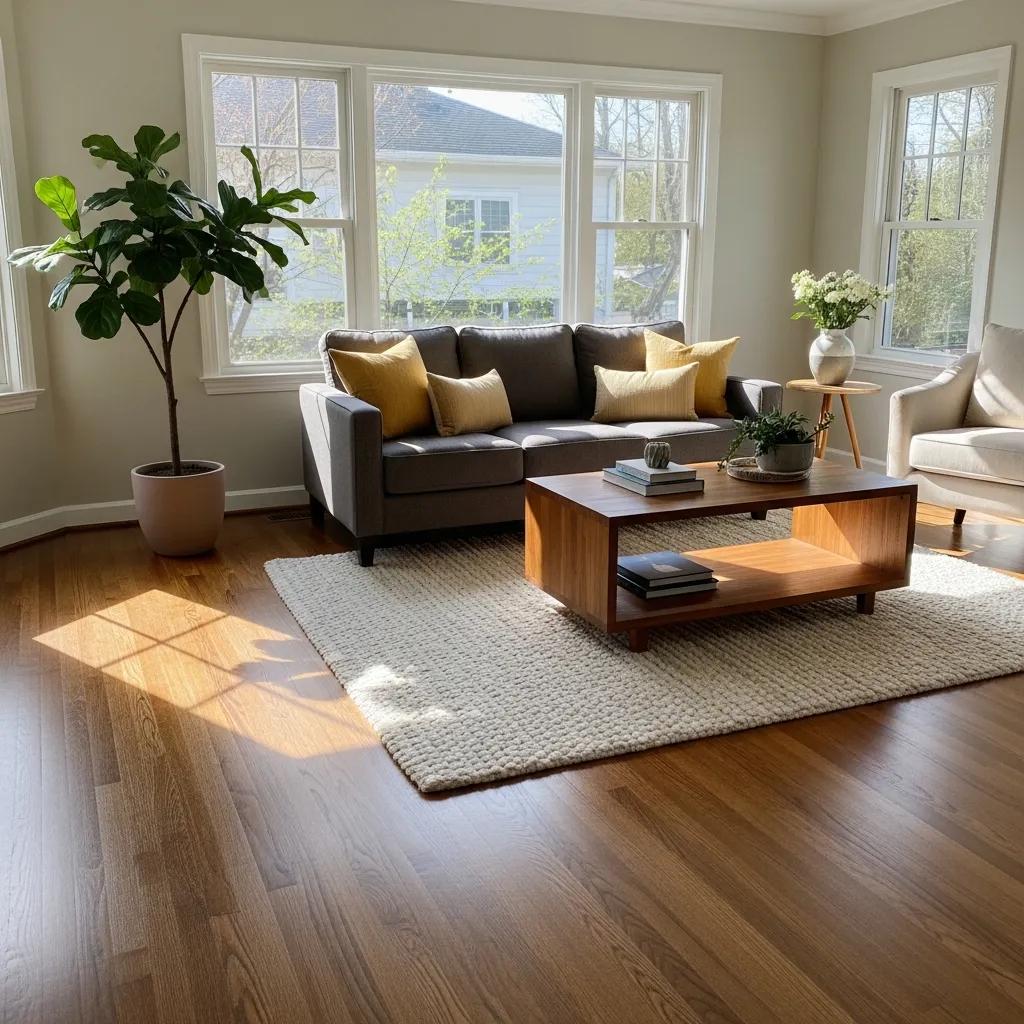
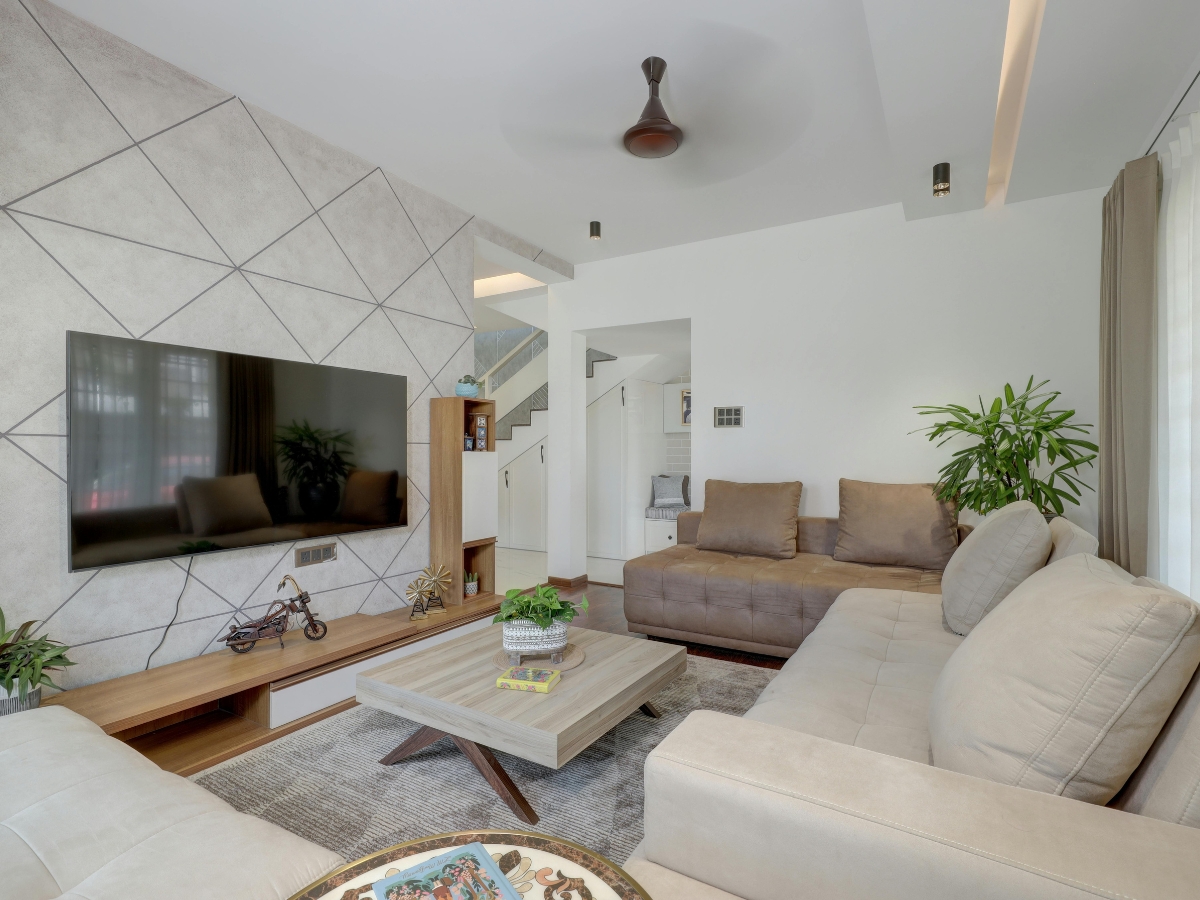
Small rooms often feel cramped, not because of the furniture, but because of how the space is designed. One of the most effective ways to open up a room visually is through the flooring you choose. Making small spaces look bigger with flooring is all about using the right materials, patterns, and installation techniques to create the illusion of more space.
Elements like plank direction, color tone, plank width, and consistent flooring between rooms can dramatically influence how large or open a space feels. Light-reflecting surfaces and seamless transitions help draw the eye outward rather than breaking the room into smaller sections. With a few thoughtful flooring choices, even compact areas can feel brighter, more open, and more inviting without knocking down a single wall.
How the Right Floors Can Transform Small Spaces
Which Flooring Materials Visually Expand Small Rooms?
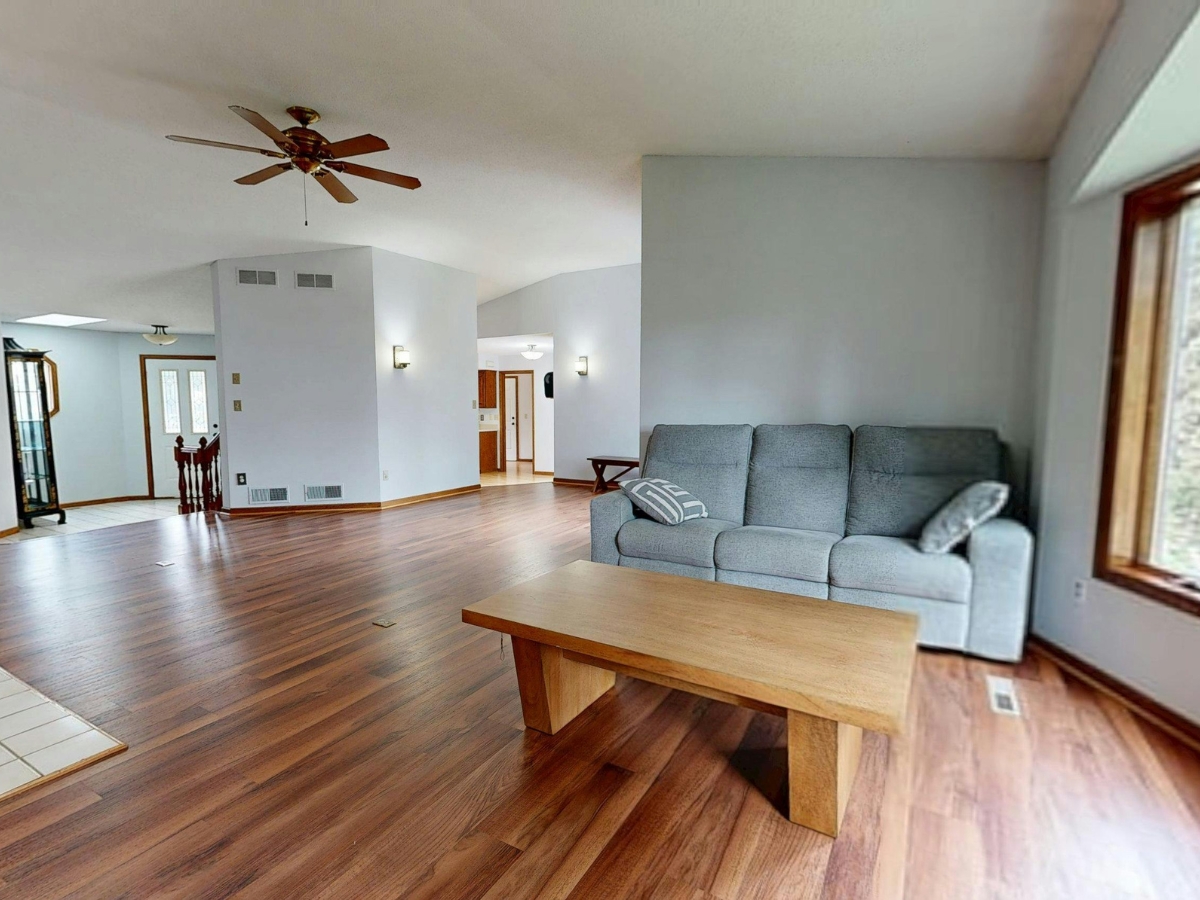
Flooring has a major influence on how large or cramped a room feels. In compact interiors, the wrong flooring can make the space look busy or closed in, while the right material can help a room feel brighter and more open.
Color, plank size, and the way the flooring reflects light all play a role in shaping how we perceive a room’s size. For homes with limited square footage, choosing flooring carefully can make a noticeable difference in how comfortable and spacious the environment feels.
Light and neutral tones are usually the most effective choice for small spaces because they reflect natural and artificial light more evenly. Dark floors can still work in certain designs, but they tend to absorb light and visually shorten the room.
Materials that offer a consistent pattern and fewer visual breaks also help the floor appear more continuous. When flooring flows smoothly from one area to another, it prevents the eye from stopping at harsh transitions and makes small spaces feel more connected.
Another factor to consider is plank width and layout. Wider planks or boards can reduce the number of seams across the floor, which creates a calmer visual field. A floor with too many narrow lines may feel crowded, especially in a smaller room. When the pattern remains simple and balanced, the floor supports the overall sense of openness rather than competing with the rest of the design.
How Does Laminate Flooring Enhance Room Size Perception?
Laminate flooring is often chosen for smaller rooms because it can deliver the appearance of wood while offering practical advantages. Modern laminate designs are available in a wide range of tones and textures, which allows homeowners to match the flooring with the room’s lighting and decor.
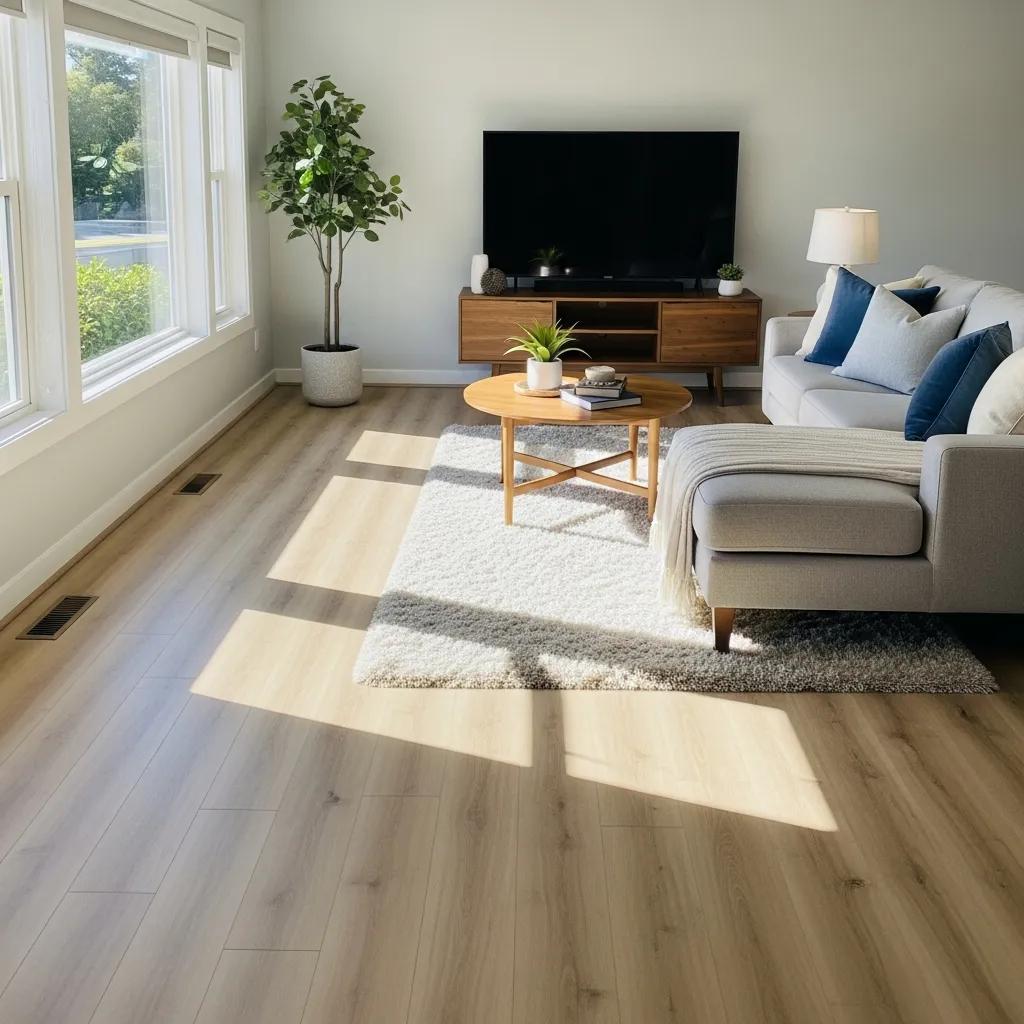
Lighter laminate colors, such as pale oak or soft maple tones, tend to brighten the floor and reflect more light into the room. That reflection helps small spaces feel less enclosed.
The layout of laminate planks can also influence how large the room appears. When planks run parallel to the longest wall or the direction of natural light, they guide the eye across the room and create a subtle sense of length. This visual effect can make narrow or compact rooms feel more balanced.
In open floor plans, continuing the same laminate through adjacent rooms can strengthen the sense of flow and reduce visual interruptions.
Laminate is also appreciated for its durability and ease of maintenance. In high-traffic areas such as small living rooms, entryways, or hallways, the surface can hold up well with regular use. Because laminate flooring is often installed as a floating system, it can be applied over existing subfloors with minimal disruption.
These practical qualities make it a common choice for homeowners who want a floor that improves the look of small spaces while remaining easy to maintain.
What Are The Benefits Of Hardwood And Vinyl Flooring For Small Spaces?
Hardwood flooring has long been valued for its natural appearance and long lifespan. In smaller rooms, hardwood can add warmth without overwhelming the design when lighter stains are chosen.
Soft tones such as natural oak or ash can brighten the room while preserving the organic texture of real wood. Because hardwood has a consistent grain pattern, it tends to create a calm visual surface that works well in small spaces.
Another advantage of hardwood is its ability to connect different areas of a home. When the same flooring continues through several rooms, the visual boundaries between spaces become less noticeable. This continuity helps smaller homes feel less segmented and more open overall. The floor becomes a unifying element rather than a divider.
Vinyl flooring offers another practical option, particularly for areas where durability and moisture resistance are important. Modern vinyl designs can closely resemble natural wood or stone while remaining easier to maintain.
Luxury vinyl planks, in particular, can provide the look of hardwood with a softer feel underfoot. Many homeowners choose vinyl for kitchens, bathrooms, or compact apartments where resilience and easy cleaning are priorities.
Because vinyl comes in a variety of colors and plank sizes, it can be selected to suit the layout of small spaces. Wider planks and lighter finishes often work best when the goal is to create a sense of openness. When installed with a consistent pattern and minimal visual clutter, vinyl flooring can help a compact room feel calmer and more spacious.
In the end, the flooring that works best for small spaces is the one that balances color, texture, and layout in a way that supports the room’s natural light and proportions. By focusing on materials that reflect light and maintain a clean visual flow, even a modest room can feel more open and comfortable.
How Do Flooring Colors And Patterns Affect Room Size Perception?
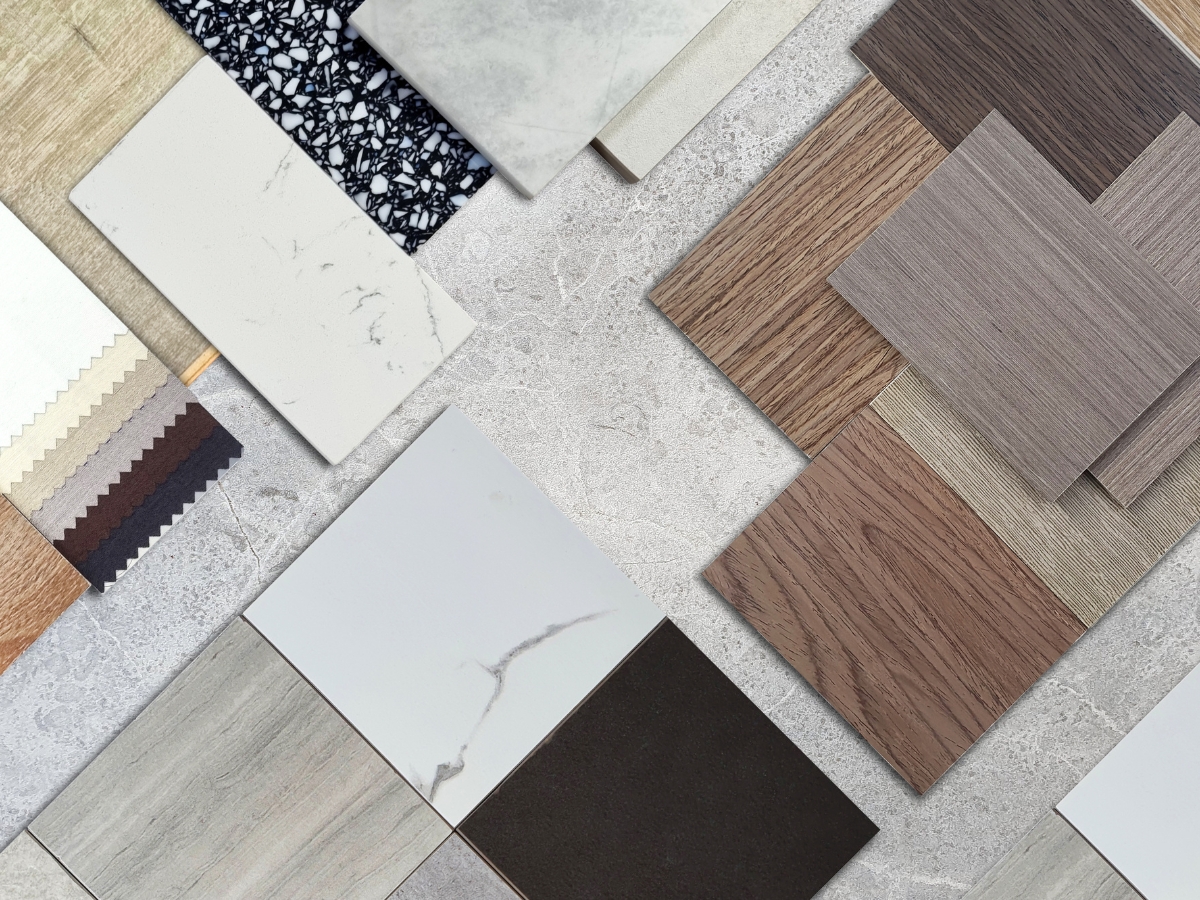
Flooring has a strong influence on how large or confined a room feels. Even when the square footage stays the same, the color and pattern of the floor can change how people experience the space. In small spaces, the right flooring can create a sense of openness and flow, while the wrong choice can make a room feel tighter or visually crowded.
Much of this effect comes down to how the eye travels across a surface. Floors that reflect light and maintain a consistent visual rhythm allow the eye to move easily from one side of the room to the other.
When the eye can move freely without stopping at heavy color contrasts or busy patterns, the space tends to feel larger. Flooring that looks too dark, overly textured, or heavily patterned can interrupt that movement and make a compact room feel more closed in.
Color plays a particularly important role in this visual experience. Floors take up a large portion of what we see in a room, so their tone affects how light spreads across the space. Patterns also matter because they influence how the floor guides the eye. When flooring works with the room’s natural proportions rather than against them, it becomes a subtle design tool that helps small spaces feel calmer and more open.
Why Are Light Colored Floorings Ideal For Making Rooms Look Bigger?
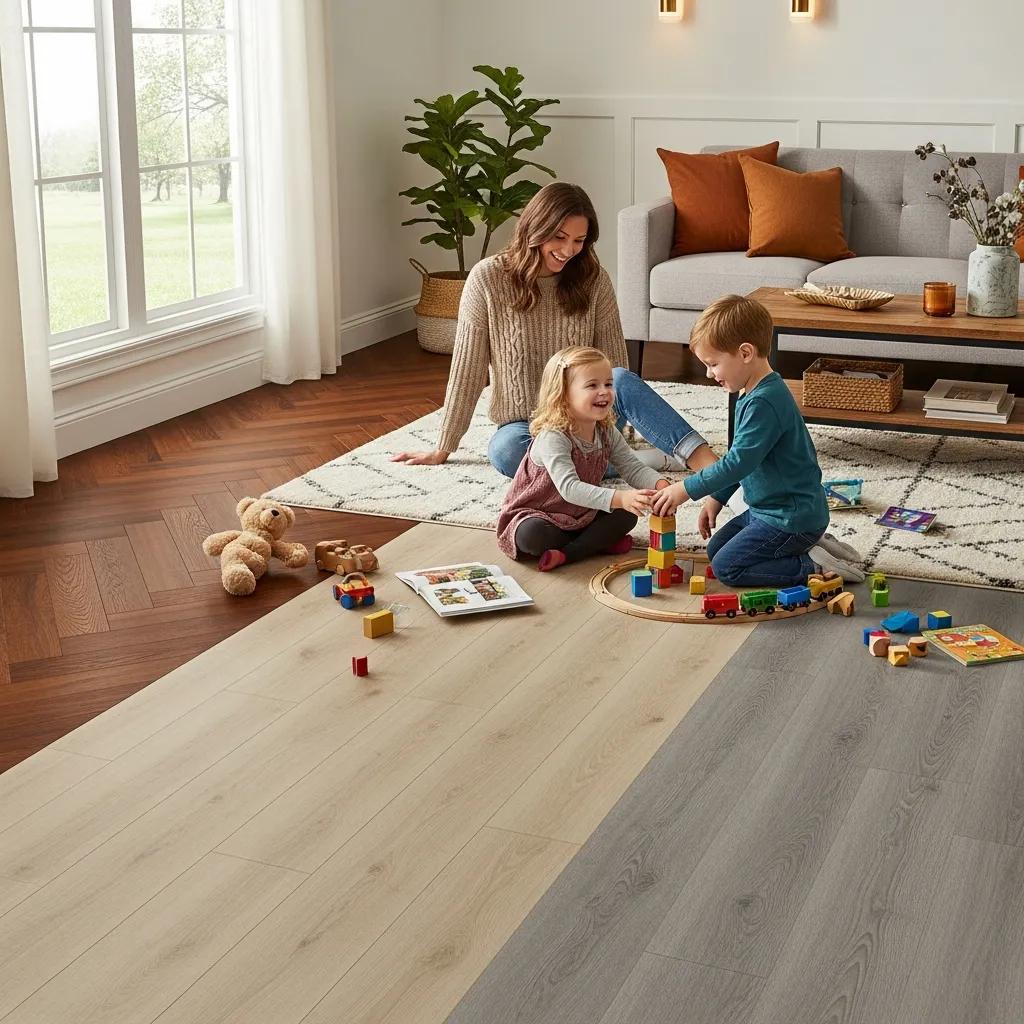
Light flooring is one of the most reliable ways to visually expand a room. Shades such as pale oak, soft gray, warm beige, or light maple reflect more light than darker finishes. Because these tones bounce light back into the room, they help brighten corners and soften shadows that might otherwise make a room feel smaller.
In small spaces, this brightness can make a noticeable difference. A lighter floor tends to blend smoothly with walls and furniture, creating a continuous visual surface. When the floor does not draw attention with heavy contrast, the eye moves across the room without interruption. This sense of continuity can make a compact room feel less segmented and more open.
Light colors also tend to work well with natural daylight. In rooms with windows, sunlight reflects off pale flooring and spreads throughout the space, which adds depth to the room. Even in areas with limited natural light, lighter floors can help artificial lighting appear softer and more evenly distributed.
Another advantage of lighter flooring is its flexibility with decor. In small spaces, bulky furniture or dark decor elements can dominate the room if the floor is also dark. A light floor creates a neutral base that allows the rest of the design to stand out without overwhelming the space.
Which Flooring Patterns Best Enlarge Rooms Visually?
The pattern of the flooring can be just as important as its color. Certain layouts guide the eye across the room and subtly influence how wide or long the space appears. Diagonal layouts are a good example.
When flooring planks or tiles are placed diagonally, the lines lead the eye outward toward the corners of the room. This movement can create the impression that the space extends beyond its actual boundaries.
Large tile or plank formats can also help open up small spaces. When flooring pieces are larger, there are fewer seams and visual breaks across the floor. This reduces the grid-like appearance that can sometimes make a floor feel busy. With fewer interruptions, the surface looks smoother and more expansive.
Consistent patterns also help maintain a sense of balance. Flooring with heavy decorative designs or multiple contrasting tones can dominate a room and make it feel cluttered. In small spaces, simpler patterns often work better because they allow the floor to support the room’s design rather than compete with it.
Research in interior design and environmental psychology has shown that visual elements such as color and pattern strongly influence how people perceive space. Studies exploring interior perception have found that surfaces with lighter tones and simpler patterns are often interpreted as larger and more open.
Participants in experimental assessments of interior spaces frequently rated rooms with lighter colors and less complex patterns as more spacious, even when the dimensions were identical.
This connection between visual design and perception explains why flooring choices matter so much in smaller homes and apartments. By selecting colors that reflect light and patterns that guide the eye across the room, it is possible to make small spaces feel more comfortable and visually balanced without changing the structure of the room itself.
What Flooring Installation Techniques Maximize Room Expansion?
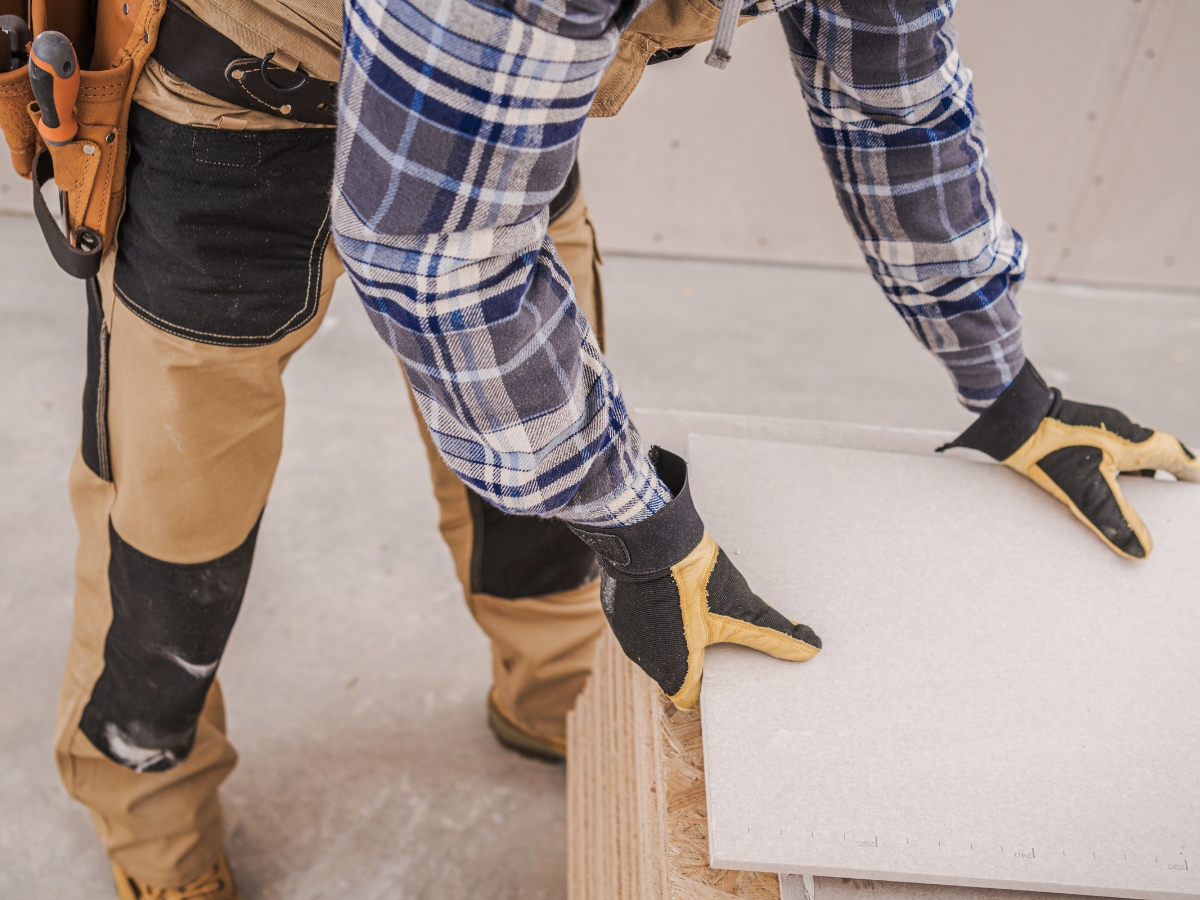
Flooring does more than cover the ground. The way it is installed can change how large or narrow a room appears. In small spaces, thoughtful installation techniques can help create a sense of openness without altering the room’s structure.
Layout direction, plank size, and the consistency of the pattern all influence how the eye moves across the floor. When the installation supports the room’s proportions, the floor becomes part of the design strategy rather than just a finishing surface.
A common mistake in compact rooms is choosing a complicated layout that draws attention to every seam or transition. While decorative patterns may work in large rooms, they can make small spaces feel busy and visually crowded.
Simpler layouts tend to perform better because they allow the floor to guide the eye naturally from one side of the room to the other. This uninterrupted visual flow helps the room appear more balanced and open.
Another factor to consider is continuity between rooms. When the same flooring extends through nearby areas, the boundaries between spaces become less noticeable. This approach can be especially effective in smaller homes or apartments, where breaking the floor into different materials can make each room feel more confined. Maintaining a consistent surface helps small spaces feel connected and visually larger.
How Should Flooring Be Laid To Create A Spacious Effect?
The direction in which flooring is installed has a noticeable effect on how a room is perceived. One widely used technique is laying planks or boards parallel to the longest wall in the room. This placement encourages the eye to travel along the length of the space, which can make the room feel longer and more open.
Another approach involves aligning the flooring with the direction of natural light. When planks run in the same direction as incoming light from windows or glass doors, the light travels smoothly across the floor. This reduces visible shadows between seams and gives the surface a more continuous appearance. In small spaces, this subtle effect can help the floor appear more expansive.
The arrangement of seams also matters. Staggered seams prevent the flooring from forming rigid lines across the room, which can sometimes create a boxed-in effect. When seams are offset in a balanced pattern, the floor appears more natural and less structured. This keeps attention on the overall space rather than on individual pieces of flooring.
It can also help to avoid abrupt transitions between rooms. If possible, continuing the same direction of planks through doorways maintains visual consistency. When the flooring direction changes from one room to another, it can interrupt the flow and emphasize the limited size of each area.
What Are Expert Tips For Installing Flooring In Small Rooms?
Professionals often recommend keeping flooring layouts straightforward in small spaces. Clean lines and simple patterns allow the room itself to stand out instead of drawing attention to the floor design. When patterns become too decorative or complex, they can dominate the room and make it feel smaller.
Plank width and tile size are also important considerations. Larger planks or tiles often work well because they reduce the number of seams visible across the floor. Fewer seams create a smoother visual field, which makes small spaces appear less crowded. At the same time, the flooring should still suit the scale of the room so the pieces do not feel oversized.
Underlayment can also improve the overall experience of a room, even though it is not visible once the flooring is installed. A quality underlayment can help reduce noise, provide cushioning underfoot, and support the durability of the floor. In apartments or smaller homes where rooms are close together, improved sound control can make the space feel quieter and more comfortable.
Attention to detail during installation can make a significant difference in the final result. Precise alignment, careful seam placement, and consistent spacing help the floor look balanced and intentional. When these details are handled properly, the flooring supports the overall design and helps small spaces feel more open, comfortable, and visually cohesive.
Why Choose Diaz Hardwood Floors For Flooring Solutions In Small Spaces?
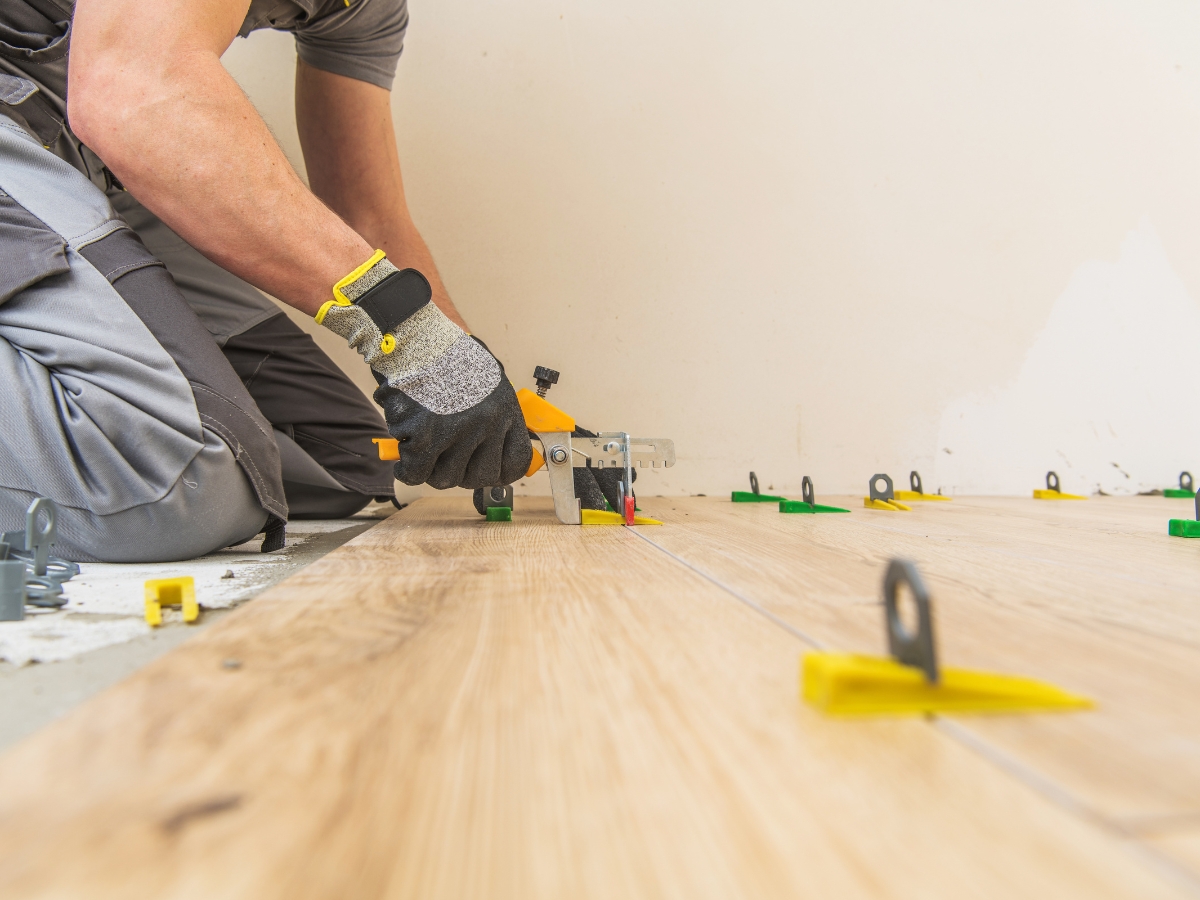
Flooring choices can have a strong influence on how a room looks and feels, especially in homes where square footage is limited. In small spaces, details such as plank direction, color selection, and installation technique can affect how open or confined a room appears.
Working with experienced flooring professionals can help homeowners make decisions that support both the design and the practicality of the space. Diaz Hardwood Floors focuses on helping homeowners choose flooring that complements the layout of their home while supporting long term durability.
Instead of treating flooring as a simple finishing step, the process begins with understanding how the room is used and how different materials will interact with light, furniture placement, and overall room proportions. This type of approach can be particularly helpful in small spaces where design choices have a noticeable impact.
When flooring is chosen carefully, it can visually expand a room, improve the flow between areas, and create a more balanced interior environment. Even small adjustments in tone, plank width, or layout direction can help a room feel less cramped and more comfortable. With guidance from experienced installers, homeowners can explore options that support both appearance and everyday use.
What Consultation Services Does Diaz Hardwood Floors Offer For Room Expansion?
Choosing flooring for small spaces often requires more thought than selecting materials for larger rooms. The color, pattern, and finish of the floor all influence how light moves through the room and how the eye interprets the available space. Diaz Hardwood Floors offers consultation services that help homeowners evaluate these factors before making a final decision.
During a consultation, flooring specialists review the layout of the room and discuss how different flooring styles may influence the visual balance of the space. This can include considering the direction of natural light, the length and width of the room, and the way furniture will be arranged. These details help determine which flooring materials and finishes will best support a more open appearance.
For many homeowners, understanding how flooring interacts with lighting and room proportions is not always straightforward. Professional guidance can clarify which tones or plank sizes might work best in a particular setting.
For example, lighter wood tones can reflect more light and contribute to a brighter environment, while consistent plank patterns can create a smoother visual flow. These decisions can make a noticeable difference in small spaces where every design element plays a role in shaping how the room feels.
Consultation also helps homeowners avoid design choices that may unintentionally make a room feel smaller. Flooring with heavy color contrast or overly complex patterns can break up the visual surface of the floor, which sometimes causes compact rooms to feel busier than they need to be.
By focusing on balanced layouts and cohesive materials, the consultation process helps homeowners move toward flooring choices that support a more open interior.
How Does Professional Installation Improve Flooring Impact On Room Size?
Even when the right flooring material is selected, installation quality plays a major role in the final result. The way planks or boards are positioned can influence how the room’s dimensions are perceived. Professional installation ensures that flooring is aligned carefully so that it works with the proportions of the room rather than against them.
Installers often consider the direction of the longest wall, the location of windows, and the way people move through the space when deciding how flooring should be laid.
Aligning planks with the natural flow of the room can guide the eye across the floor and create a stronger sense of length. In small spaces, this subtle design approach can help a room feel more balanced and less confined.
Attention to detail also matters when it comes to seams and transitions. Clean, consistent spacing between boards helps the floor look uniform and prevents distracting lines from forming across the room.
When seams are staggered properly and the layout remains consistent from one area to another, the floor appears more continuous. This visual continuity helps small spaces feel less divided.
Professional installation also contributes to durability and long term performance. Proper subfloor preparation, careful plank alignment, and accurate spacing all support the stability of the flooring. When these elements are handled correctly, the floor not only looks better but also holds up more reliably over time.
In homes with limited square footage, flooring is more than just a surface to walk on. It becomes a key part of how the interior is experienced. By combining thoughtful material selection with careful installation, flooring can help small spaces feel brighter, more connected, and easier to live in.
What Maintenance And Durability Considerations Support Long Term Room Aesthetics?

Flooring plays an important role in how a room looks and feels over time. In small spaces, even minor wear can stand out more because the entire floor is visible at once. Scratches, dirt buildup, or fading can quickly affect the overall appearance of the room. Regular care and choosing durable materials help preserve the clean, open look that good flooring can create.
Maintenance habits influence how long a floor continues to support the visual balance of a room. Light flooring, smooth finishes, and consistent patterns often help small spaces appear brighter and more open.
However, these surfaces also require thoughtful upkeep so they continue to reflect light evenly and maintain their original tone. When floors are cleaned regularly and protected from unnecessary wear, they retain the qualities that help the room feel spacious.
Durability is equally important. A floor that resists scratches, stains, and everyday traffic will maintain its appearance longer. In smaller homes or apartments, rooms often serve several purposes at once, which means flooring may see frequent use.
Selecting materials that hold up well under daily activity can prevent visible damage that might otherwise disrupt the room’s visual flow.
How To Maintain Light Colored And Patterned Flooring In Small Rooms?
Light colored flooring can brighten a room and make small spaces feel more open, but it also tends to show dust and dirt more easily than darker finishes.
Regular cleaning helps preserve the smooth, bright appearance that gives these floors their visual advantage. Sweeping or vacuuming removes grit that could scratch the surface, while occasional damp mopping helps eliminate residue that builds up over time.
Consistency is important. Dirt that accumulates in corners or along seams can dull the surface and reduce the reflective quality that makes a room feel larger.
Using soft cleaning tools and gentle cleaning solutions helps protect the finish while keeping the floor looking fresh. Harsh chemicals or abrasive tools can damage protective coatings, which may lead to fading or uneven color.
Protecting high-traffic areas also helps maintain the flooring’s appearance. Entryways, hallways, and areas around seating often see the most use, especially in compact homes where movement flows through the same spaces each day. Placing rugs or mats in these areas can reduce wear and keep the floor looking more consistent throughout the room.
A protective sealant may also help extend the life of certain flooring materials. Sealants provide an extra barrier against moisture and minor scratches. When applied according to manufacturer guidelines, they can help preserve the clarity of lighter finishes and patterned floors that contribute to the sense of openness in small spaces.
Which Durable Flooring Options Are Best For High-traffic Small Spaces?
Durable flooring becomes especially valuable in small spaces that receive frequent foot traffic. Materials designed to resist wear help ensure the floor maintains its original appearance even with daily use.
Luxury vinyl flooring is often chosen for this reason because it combines resilience with a wide range of visual styles. Many modern vinyl designs replicate natural wood or stone while offering resistance to scratches, moisture, and stains.
Engineered hardwood is another option that balances durability with the appearance of natural wood. It is constructed with multiple layers that improve stability and help the floor handle changes in humidity and temperature. This construction can make engineered hardwood a practical choice in rooms where traditional hardwood might expand or contract more noticeably.
Both materials can help maintain a consistent visual surface that supports the feeling of openness in small spaces. Floors that resist visible damage require fewer repairs and maintain their original finish longer, which helps the room continue to look balanced and well-maintained.
Maintaining flooring properly and selecting materials that stand up to everyday use can have a lasting effect on interior design. Clean, durable flooring supports the visual flow of a room and helps small spaces remain comfortable and inviting. With the right combination of regular care and thoughtful material selection, flooring can continue to enhance the appearance of compact interiors for many years.
Conclusion
Choosing the right flooring is a powerful tool for visually expanding small spaces, creating an illusion of openness that transforms how a room feels.
From light-colored materials and wide planks to consistent flooring throughout, thoughtful selections can make your home appear larger and more cohesive.
For expert guidance in selecting and installing flooring that maximizes your space’s potential, trust Diaz Hardwood Floors. Ready to make your rooms feel more spacious and inviting? Call 404-791-0444 today or fill out our online form for a free quote. Let our experts help you choose flooring that opens up new possibilities for your home.