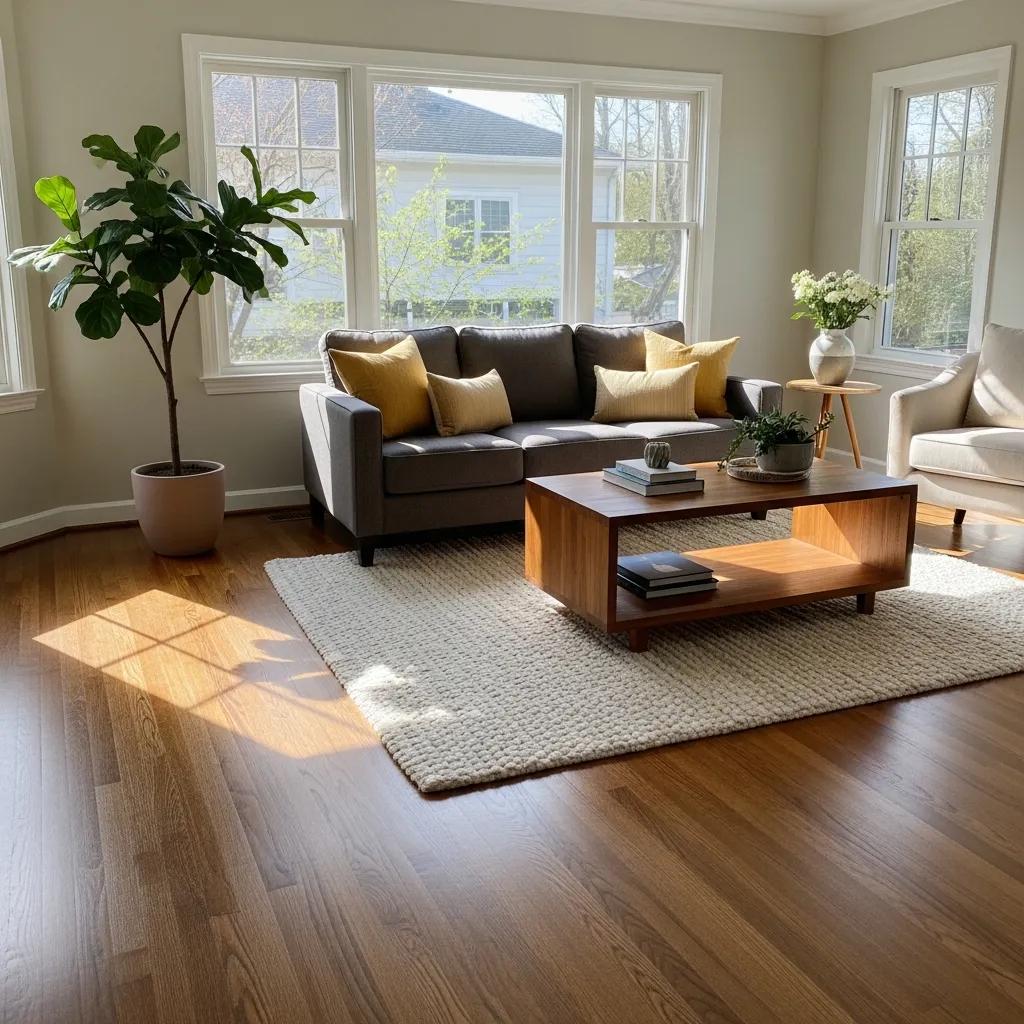
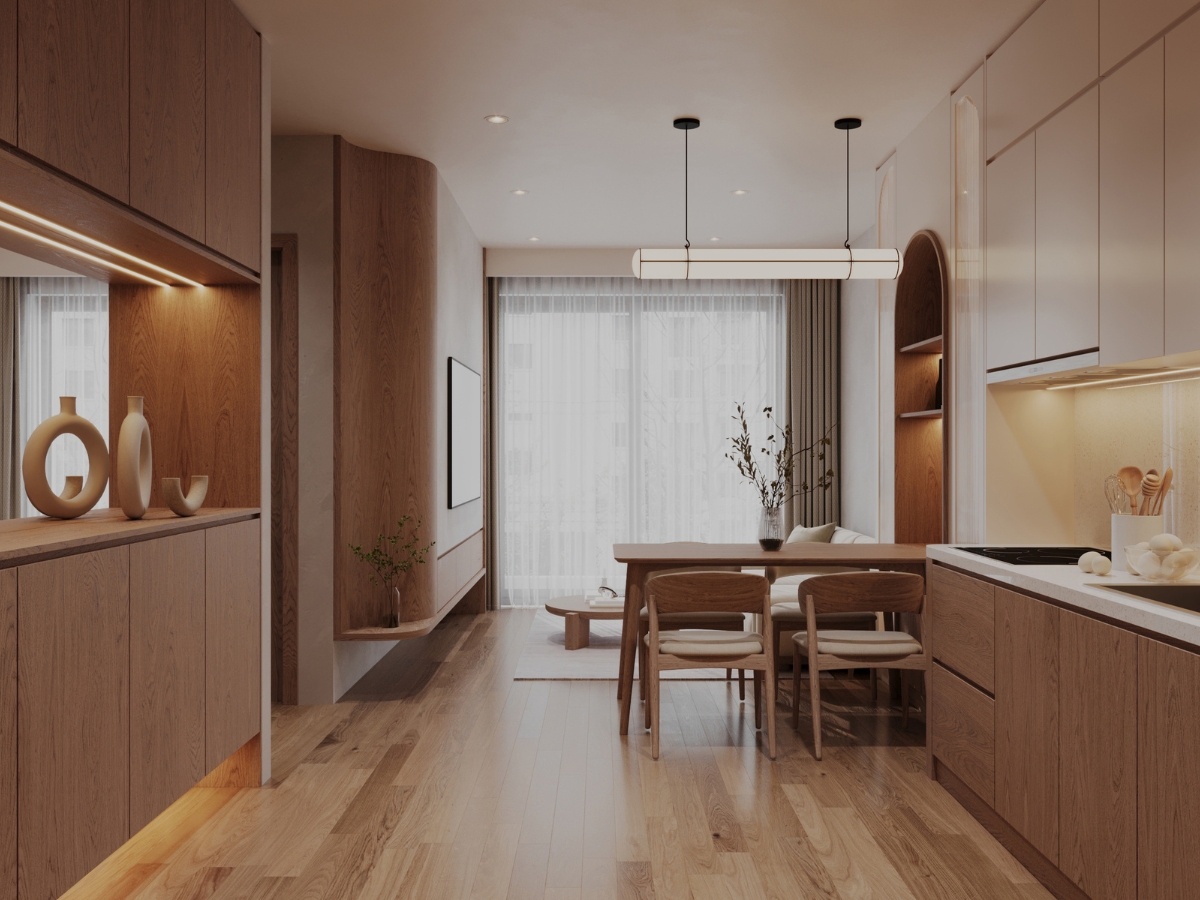
Blending old and new design styles can be challenging, especially when flooring sets the foundation for the entire space.
Transitional flooring offers a solution by combining the warmth of traditional materials with the clean, updated look of modern design. The result is a balanced aesthetic that feels both timeless and current.
Instead of committing fully to one style, transitional flooring uses neutral tones, subtle textures, and versatile finishes that work across a range of interiors. It allows classic furniture and architectural details to coexist with contemporary elements without clashing.
Understanding how transitional flooring blends traditional and modern style can help you create a cohesive look that adapts to changing trends while maintaining a polished, comfortable feel throughout your home.
Transitional Flooring Styles That Feel Timeless
What Is Transitional Flooring And How Does It Blend Traditional And Modern Styles?
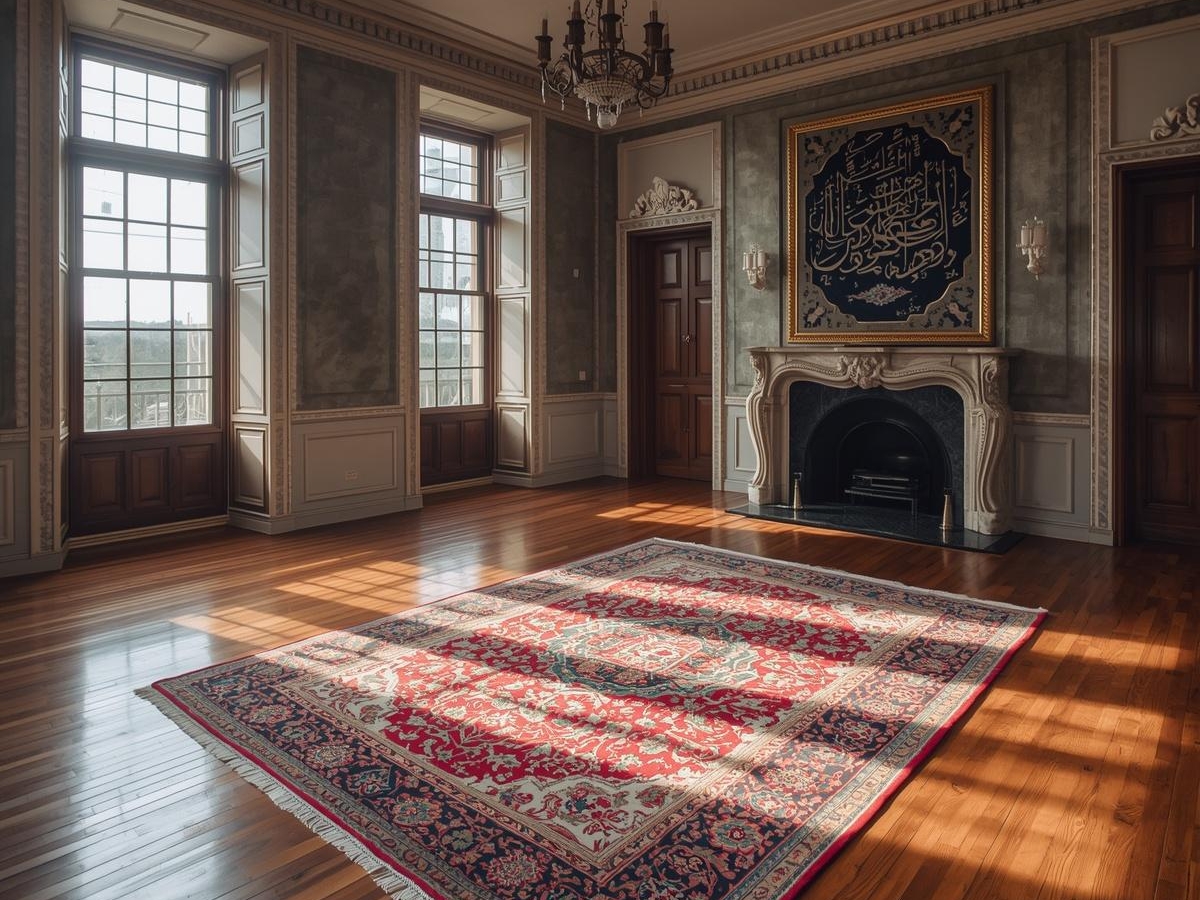
Transitional flooring is a style that sits between classic and contemporary design. It brings together familiar materials with updated finishes, creating a look that feels balanced rather than tied to one specific trend.
Many homeowners choose transitional flooring because it works across different rooms and design preferences without feeling out of place.
This approach focuses on combining warmth with simplicity. Traditional elements like natural wood tones are softened with cleaner lines and more subtle finishes.
The result is a space that feels comfortable but still current. Transitional flooring also tends to age well since it avoids extremes, making it a practical choice for long-term use.
Another reason this style continues to grow in popularity is its flexibility. It can complement both older homes and newer builds, helping tie together mixed design elements. Instead of forcing a space into a single category, transitional flooring allows different features to work together more naturally.
Defining Transitional Hardwood Flooring: Key Features And Benefits
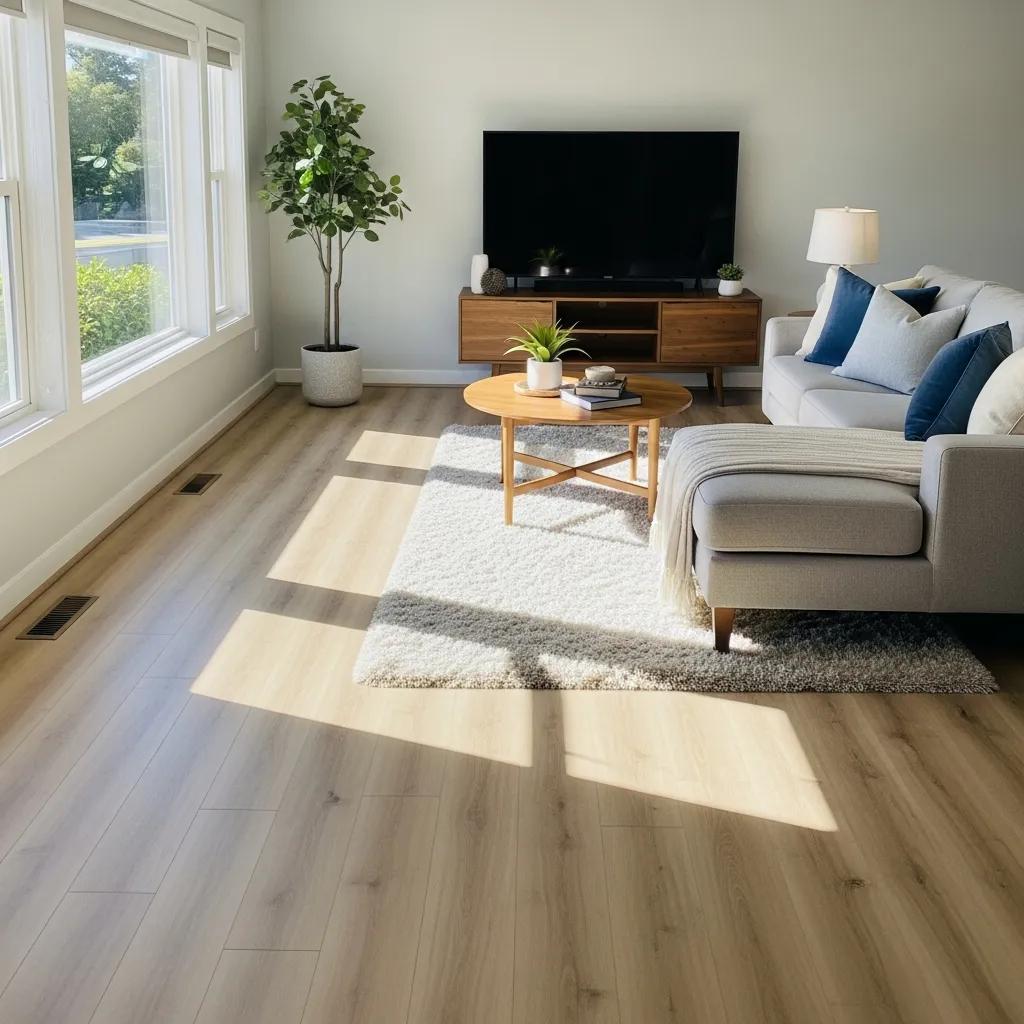
Transitional hardwood flooring is one of the most common ways to achieve this look. It takes the familiar appeal of hardwood and updates it with finishes and tones that feel more modern. This balance makes it easier to match with a range of furniture styles and color palettes.
A few key characteristics help define transitional flooring:
- Neutral or muted tones that avoid overly dark or overly light extremes
- Subtle grain patterns that feel natural without being too busy
- Finishes that lean matte or satin instead of high gloss
These features make the flooring easier to live with day to day. It does not dominate the space, but it still adds character and texture. Hardwood also remains a durable option, which adds to its appeal for high-traffic areas.
Another benefit is how well transitional flooring supports updates over time. Since it is not tied to a specific trend, it can adapt as decor changes. This makes it a practical investment for homeowners who want flexibility without sacrificing style.
How Traditional Wood Species Work With Modern Finishes
A big part of transitional flooring comes down to how materials are paired. Traditional wood species like oak, maple, and walnut are often used as a base. These woods have been popular for years because they are reliable, durable, and visually familiar.
What changes in transitional design is the finish. Instead of glossy coatings or heavily stained surfaces, modern finishes tend to be more understated. Matte and satin finishes are common because they soften the look of the wood while still allowing the natural grain to show through.
For example, oak with a light matte finish creates a clean, relaxed feel that works in both modern and traditional spaces. Walnut, when finished in a softer tone, can add depth without feeling heavy. This combination allows transitional flooring to feel updated without losing its connection to classic materials.
The goal is not to hide the wood but to present it in a way that feels current. This approach helps create a more cohesive look throughout the home.
Why Transitional Flooring Works In Different Spaces
One of the biggest strengths of transitional flooring is how easily it fits into different environments. It can anchor a room without drawing too much attention, which makes it useful in both open layouts and more defined spaces.
In living areas, it provides a neutral base that works with a range of furniture styles. In kitchens, it pairs well with both traditional cabinetry and more modern finishes. Bedrooms benefit from its softer appearance, which helps create a calm and comfortable atmosphere.
Because transitional flooring avoids extremes, it also helps bridge design gaps. If a home includes a mix of older and newer elements, this style can bring everything together without feeling forced. It creates continuity while still allowing each space to have its own character.
Creating A Balanced Look With Transitional Flooring
Designing with transitional flooring is less about following strict rules and more about finding balance. The goal is to combine elements that feel familiar with details that feel updated. This can be done through color choices, finishes, and how materials are layered throughout the space.
Keeping tones consistent across rooms helps maintain a cohesive look. Mixing textures, such as pairing wood flooring with soft fabrics or stone accents, can add depth without overwhelming the design. The key is to keep everything working together rather than competing for attention.
Transitional flooring makes it easier to achieve this balance. It provides a foundation that supports both traditional and modern elements, helping create spaces that feel comfortable, functional, and visually consistent.
Which Flooring Design Ideas Best Showcase Modern Traditional Floor Design?
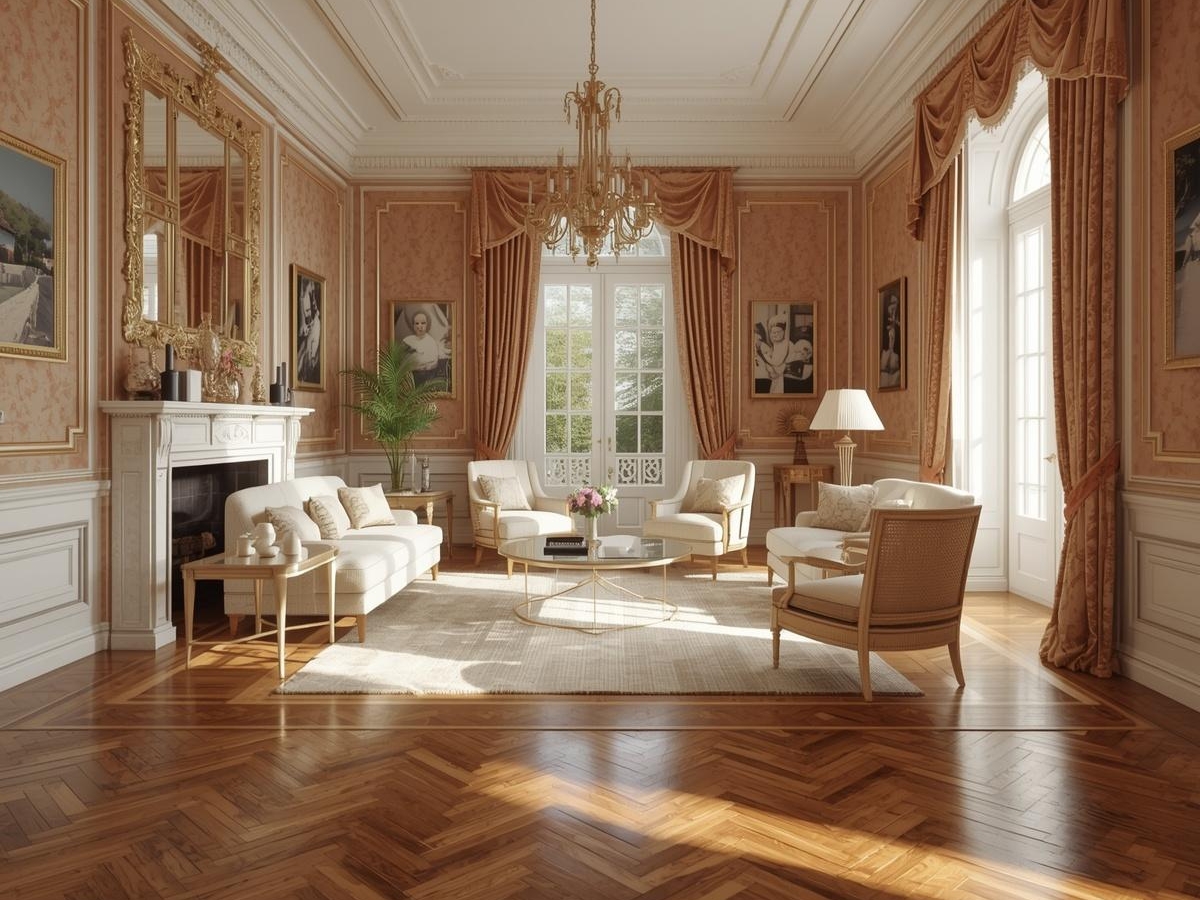
Creating a modern traditional look starts with choosing materials and layouts that feel balanced rather than overly styled. Transitional flooring plays a key role here because it bridges the gap between classic and contemporary design. Instead of leaning too far in one direction, it helps bring together familiar textures with updated finishes.
In many homes, the goal is to create a space that feels cohesive from room to room. That is where transitional flooring stands out.
It allows different design elements to coexist without clashing, whether the space includes traditional furniture, modern fixtures, or a mix of both. By focusing on subtle contrasts and clean lines, homeowners can achieve a look that feels intentional without being overly designed.
Top Transitional Flooring Styles For Contemporary Homes
Several flooring styles work particularly well when aiming for a modern traditional aesthetic. Transitional flooring often relies on timeless patterns and updated proportions to create visual interest without overwhelming the space.
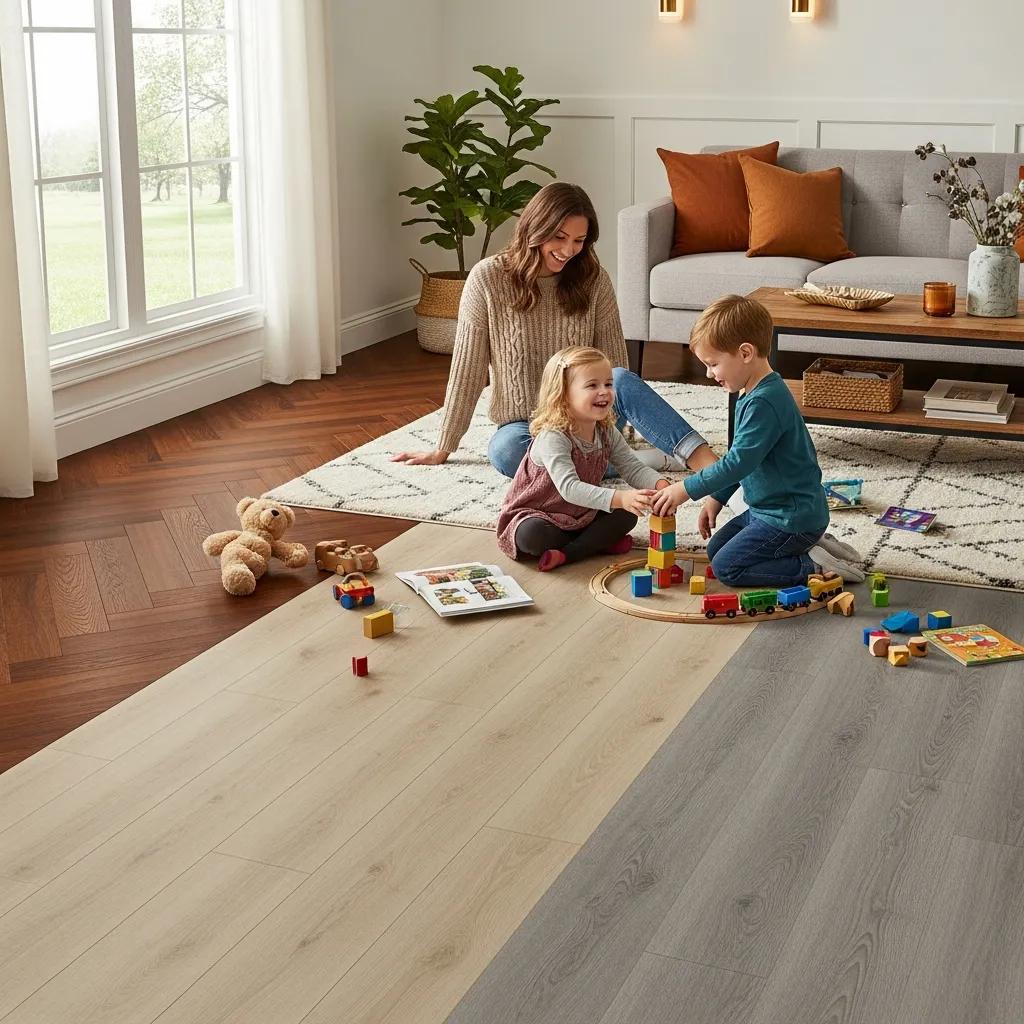
Wide plank hardwood is one of the most popular options. The wider boards give rooms a more open feel, while the natural wood tones keep the look grounded. This style works especially well in open floor plans where continuity is important.
Herringbone and similar patterns offer another approach. These layouts add movement and structure without feeling overly formal. When paired with neutral finishes, they create a refined look that still feels approachable.
Mixed material designs are also becoming more common. Combining wood with tile or other surfaces can help define different areas within a home while maintaining a unified style. When done carefully, this approach supports transitional flooring by adding contrast without breaking visual flow.
How To Use Blended Flooring Solutions To Enhance Interior Aesthetics
Blended flooring solutions can make a noticeable difference in how a space feels. The key is to keep the overall palette consistent so that transitions between materials feel natural rather than abrupt. Transitional flooring works best when colors and finishes complement each other instead of competing for attention.
Color coordination plays a big role in this process. Choosing tones that align with walls, cabinetry, and furniture helps create a more cohesive look. Neutral shades tend to work well because they provide flexibility as styles change over time.
Room size and lighting should also guide flooring choices. Lighter tones can help smaller spaces feel more open, while slightly darker finishes can add depth to larger areas. The goal is not to follow strict rules but to create balance throughout the home.
Texture is another factor worth considering. Pairing smooth flooring with softer elements like rugs can add dimension without making the space feel busy. Transitional flooring benefits from this layered approach because it keeps the design grounded while still offering visual interest.
Bringing Modern And Traditional Elements Together
At its core, transitional flooring is about balance. It allows homeowners to combine classic materials with updated details in a way that feels natural. Instead of focusing on trends, this approach prioritizes consistency and comfort.
When design choices are made with that balance in mind, the result is a space that feels both current and timeless. Transitional flooring supports this by acting as a foundation that ties everything together, making it easier to create a home that looks cohesive and feels easy to live in.
How To Choose Between Hardwood And Laminate For Blended Flooring Solutions?
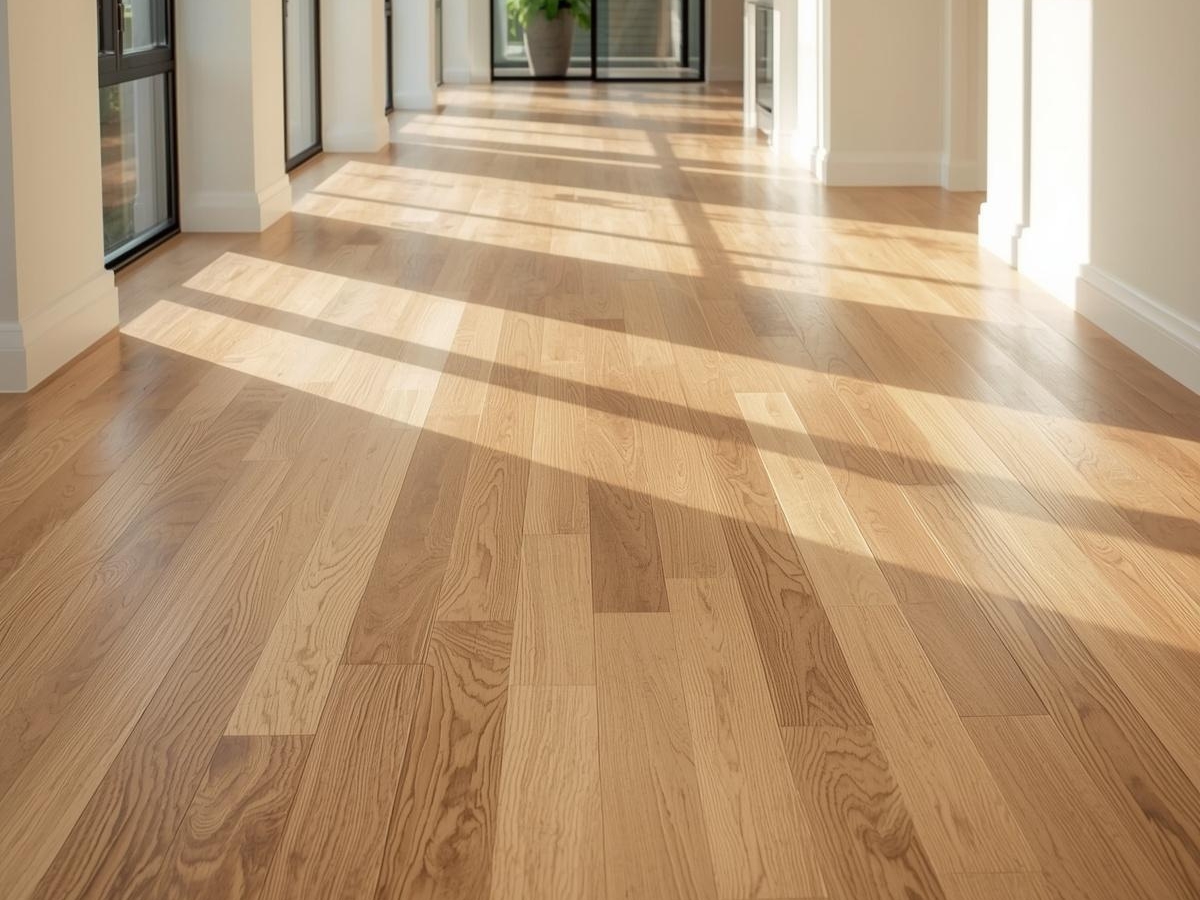
When deciding between hardwood and laminate, it helps to think about how each option will support your overall design. Transitional flooring often relies on a balance of durability, appearance, and flexibility, so the choice should reflect how the space will be used over time.
Hardwood is often seen as the more traditional option. It offers a natural look that ages well and can be refinished if needed. This makes it a strong choice for homeowners who want something long-lasting.
Laminate, on the other hand, is designed to be more budget-friendly while still offering a wide range of styles. Many laminate products now closely resemble real wood, which makes them a practical option for achieving transitional flooring without the higher cost.
Daily use also plays a role in the decision. Homes with higher foot traffic or pets may benefit from laminate because it resists scratches and wear more easily.
Hardwood still performs well, but it may require more upkeep depending on the finish. Taking these factors into account can help narrow down the right fit for your space.
Comparing Durability And Design Flexibility Of Hardwood Vs Laminate
Durability is often one of the first things homeowners consider. Hardwood has a reputation for lasting many years when properly maintained.
It can be sanded and refinished, which helps extend its lifespan and keep it looking updated. This makes it a solid investment for those planning to stay in their home long term.
Laminate offers a different kind of durability. It is built to handle everyday wear, including scratches and moisture to some extent. While it cannot be refinished like hardwood, it holds up well in busy areas and requires less maintenance. For households that want a low-effort option, laminate can be a practical choice.
Design flexibility is another important factor. Hardwood tends to come in a more limited range of finishes, though these options are often timeless and easy to match with other elements.
Laminate provides more variety, including colors and textures that may not be available in natural wood. This can make it easier to create a specific look when working with transitional flooring, especially in spaces that combine different design styles.
Eco-Friendly Flooring Materials For Sustainable Modern Traditional Floors
Sustainability is becoming a bigger consideration in flooring decisions. Many homeowners want materials that not only look good but also reduce environmental impact. Transitional flooring can easily incorporate eco-friendly options without sacrificing style.
Reclaimed wood is one option that blends character with sustainability. It brings a sense of history to a space while reducing the demand for new materials. Each plank has its own variation, which adds depth without feeling overly rustic.
Bamboo is another popular choice. It grows quickly and is considered a renewable resource, making it appealing for those focused on sustainability. It also has a clean, modern appearance that fits well within transitional flooring designs.
Cork is worth considering as well. It offers a softer feel underfoot and has natural insulating properties. Its subtle texture works well in spaces that aim for a balanced look between comfort and simplicity.
Choosing between hardwood, laminate, and eco-friendly materials ultimately comes down to how you want your space to function and feel. Transitional flooring makes it easier to combine these options in a way that feels cohesive, allowing homeowners to create a design that is both practical and visually consistent.
What Is The Custom Flooring Consultation Process At Diaz Hardwood Floors?
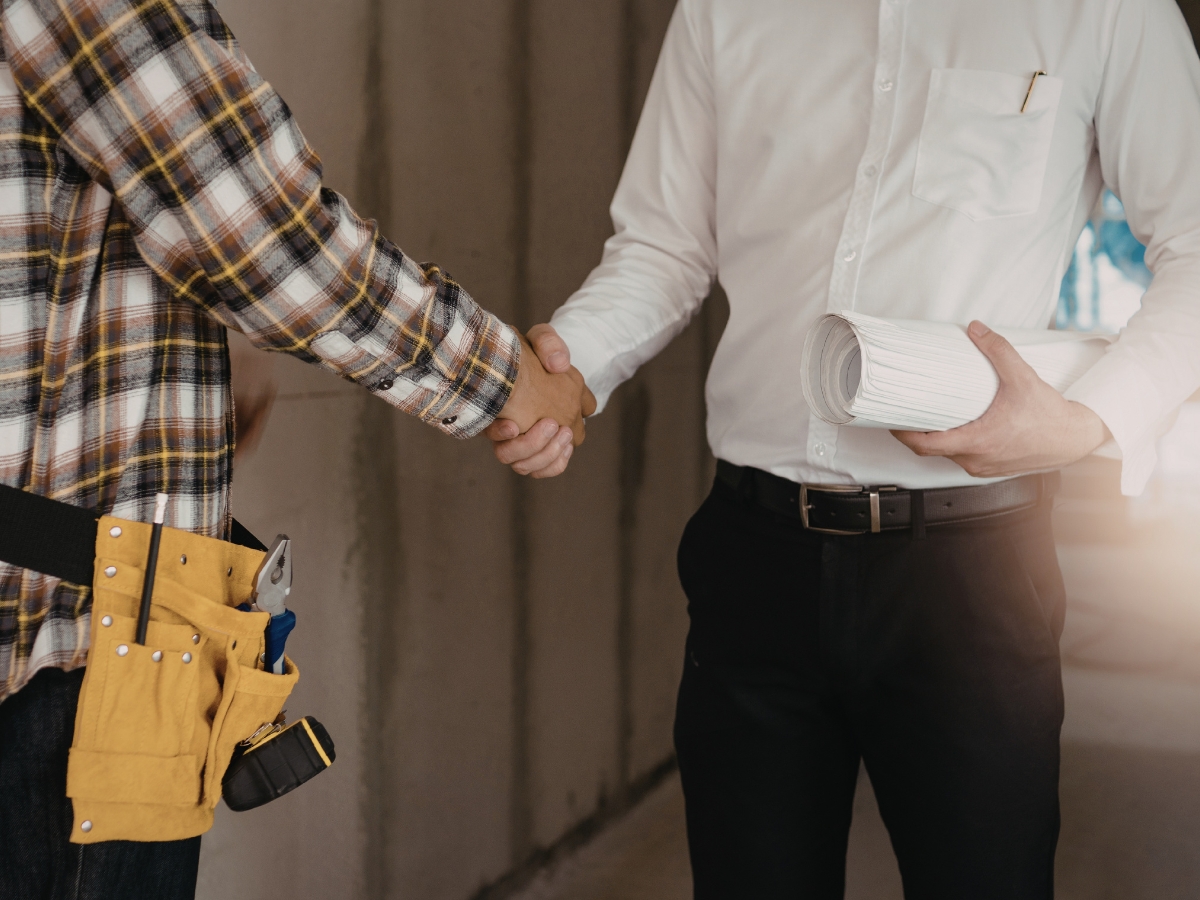
A custom flooring consultation is usually the first step in creating a space that feels cohesive and well planned. At Diaz Hardwood Floors, the process begins with a close look at the home itself.
This includes understanding the layout, lighting, and how each room is used on a daily basis. These details help shape decisions early on, especially when planning for transitional flooring that needs to flow naturally from one area to another.
The conversation then moves into style preferences. Some homeowners come in with a clear idea, while others are still exploring options.
Either way, the goal is to narrow down materials, tones, and finishes that fit both the space and the overall design direction. Transitional flooring works best when it connects different elements in the home, so this stage focuses on finding that balance between classic and modern.
Throughout the process, the emphasis stays on practical choices as much as visual ones. Durability, maintenance, and how the flooring will age over time are all part of the discussion. This approach helps ensure that the final result not only looks right but also performs well in everyday use.
Personalized Design Blend Consultations: What To Expect
During the consultation, homeowners can expect a more detailed look at how different flooring options will work together.
Instead of focusing on a single material, the conversation often includes how finishes, colors, and textures interact across rooms. This is especially important when planning transitional flooring, since the goal is to create a consistent look without making every space feel identical.
Samples play a big role in this stage. Seeing materials in the actual lighting of the home can make a noticeable difference in how colors and textures appear. It also helps homeowners feel more confident in their choices before moving forward.
There is also a collaborative aspect to the process. Rather than pushing one specific option, the focus stays on refining ideas and making adjustments along the way. This can include:
- Comparing wood tones against existing features
- Adjusting finishes to better match lighting conditions
- Considering how the flooring will transition between rooms
These small decisions add up, and they make a big difference in how the finished space feels. Transitional flooring benefits from this kind of careful planning because it relies on subtle connections rather than bold contrasts.
How Expert Craftsmanship Supports Seamless Installation
Once the design is finalized, the installation phase becomes just as important. Even the best materials will not perform well if they are not installed correctly. Skilled craftsmanship ensures that transitional flooring looks consistent from one room to the next, without uneven lines or awkward transitions.
Precision matters at every step. This includes preparing the subfloor, aligning planks or patterns, and making sure transitions between spaces feel smooth. When done properly, the flooring should feel like a natural extension of the home rather than a separate feature.
Attention to detail also plays a role in long-term performance. Proper installation helps prevent issues like gaps, shifting, or uneven wear. This is especially important for transitional flooring, since inconsistencies are more noticeable when materials are meant to blend seamlessly.
By combining thoughtful planning with careful installation, the end result is a floor that not only looks balanced but also holds up over time.
What Are The Latest Flooring Trends For 2026 In Blended Floor Styles?
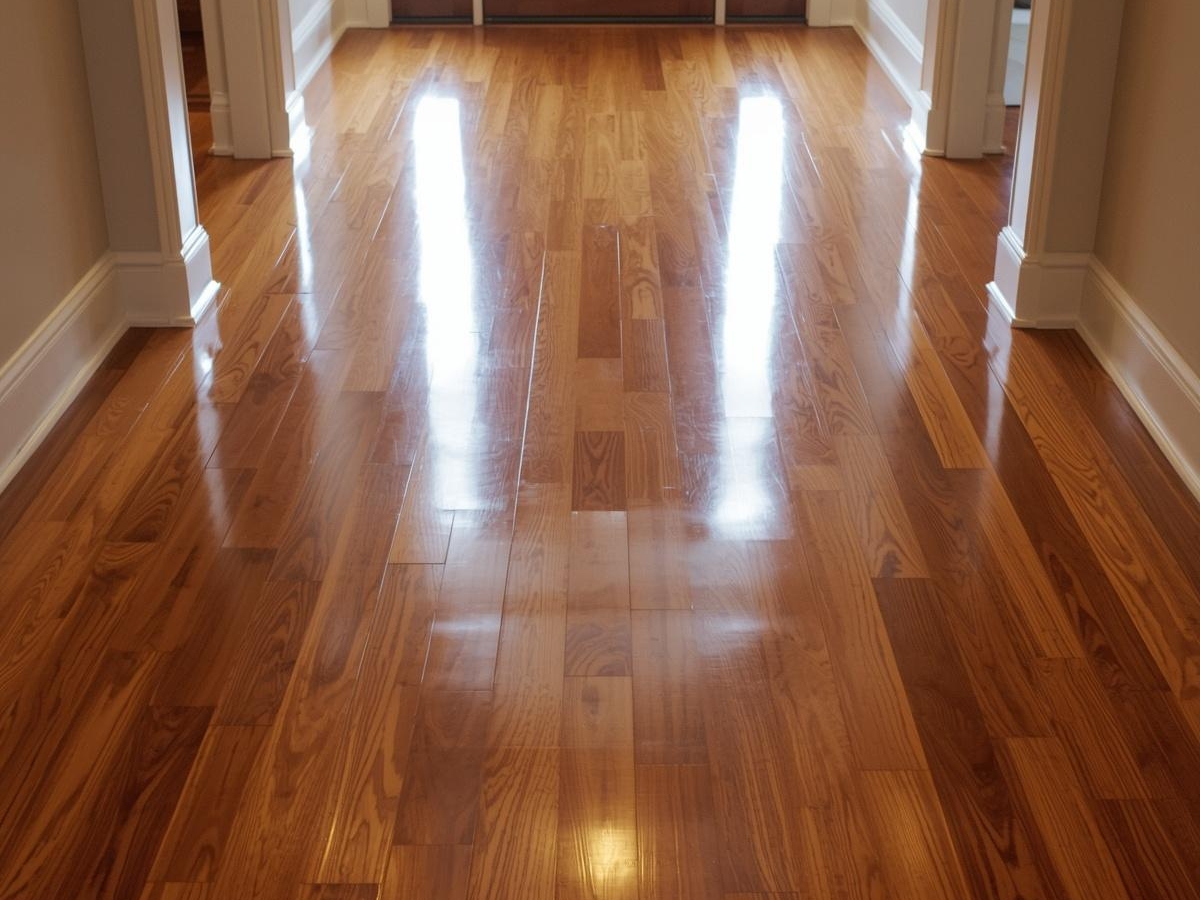
Flooring trends in 2026 continue to move toward balance and practicality. Homeowners are looking for options that feel current without being tied to short-lived styles.
Transitional flooring fits this shift well because it blends familiar materials with updated finishes, making it easier to create spaces that feel consistent over time.
One noticeable trend is the move toward softer, more natural color palettes. Instead of extreme tones, many designs now focus on mid-range shades that work across different rooms. This helps transitional flooring create a smooth visual flow, especially in open layouts where continuity matters.
Another change is the focus on durability. People want flooring that can handle everyday life without constant upkeep. As a result, materials that combine performance with a natural look are becoming more common in modern homes.
Innovative Materials And Finishes Shaping Modern Traditional Floors
New materials are playing a big role in how transitional flooring is designed today. Engineered hardwood and luxury vinyl plank are both popular choices because they offer flexibility without losing the look of traditional wood. These options can handle changes in temperature and moisture more easily, which makes them practical for a wider range of spaces.
Finishes are also evolving. Instead of glossy surfaces, many homeowners prefer matte or low sheen finishes that feel more natural. These finishes highlight the grain of the wood without making it look overly polished. The result is a surface that feels understated but still detailed.
Texture is becoming more important as well. Lightly brushed or hand-scraped finishes add depth without making the floor feel too rustic. This approach works well within transitional flooring because it adds character while still keeping the overall design clean.
In many homes, the goal is to create a floor that supports the space rather than dominates it. These newer materials and finishes make that easier by offering subtle variation without overwhelming the room.
Incorporating Smart Flooring Technologies In Transitional Designs
Technology is also starting to influence flooring choices, though in a more practical way. Homeowners are looking for features that improve comfort without changing the overall look of the space. Transitional flooring works well with these updates because it focuses on function as much as appearance.
Heated flooring is one example that continues to grow in popularity. It adds comfort, especially in cooler climates or tiled areas, while remaining hidden beneath the surface. This allows the design to stay clean while still improving everyday use.
Another development is the use of moisture-resistant and sound-reducing layers built into flooring systems. These features are not always visible, but they improve how the space feels and performs over time. This is especially helpful in multi-level homes or high-traffic areas.
Lighting integration is also being explored, particularly in modern builds. Subtle lighting along floor edges or transitions can improve visibility and add a refined touch without becoming distracting. When used carefully, these elements support transitional flooring by enhancing the overall experience of the space.
As these trends continue to develop, the focus remains on balance. Transitional flooring allows homeowners to bring together new materials and technology while keeping a look that feels grounded and easy to live with.
How To Maintain And Care For Mixed Traditional And Modern Flooring Styles?
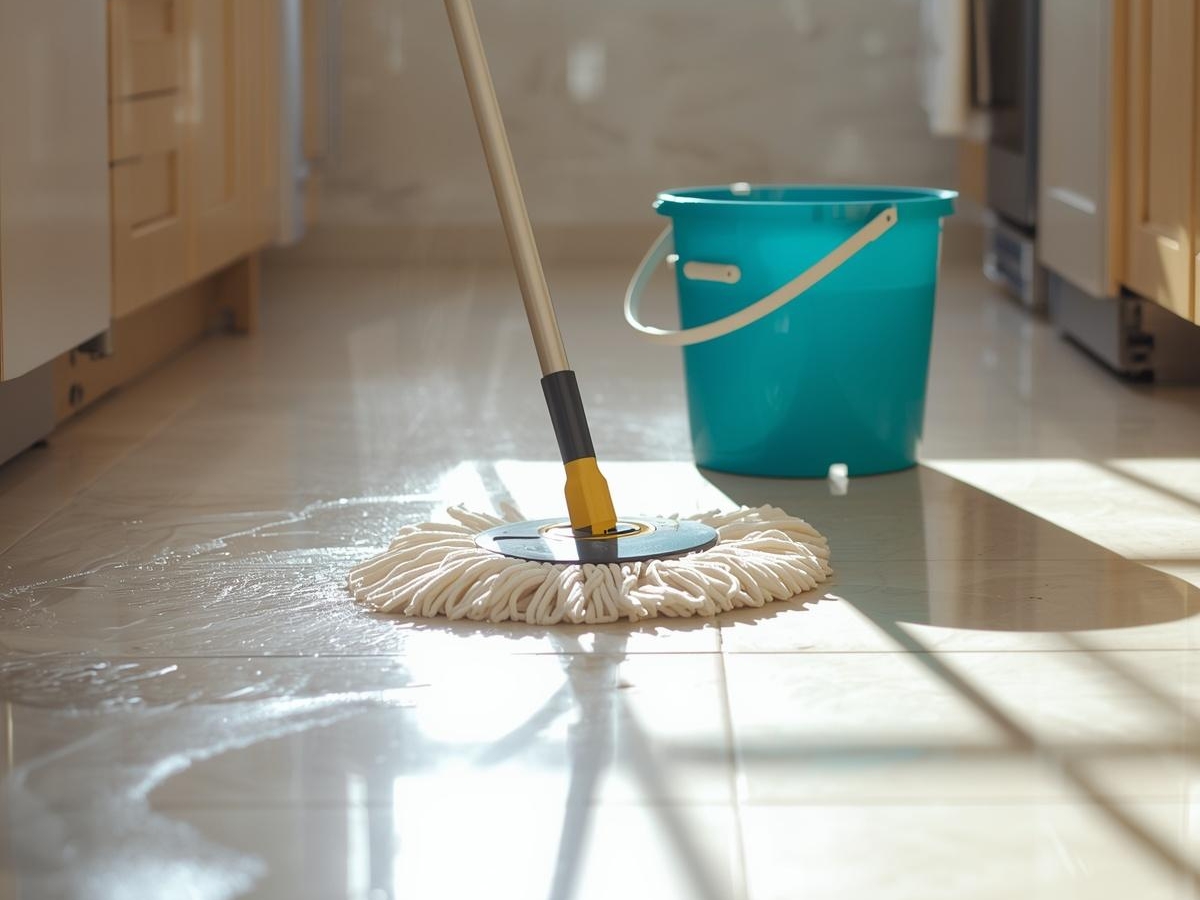
Caring for a space that combines different materials requires a consistent approach. Transitional flooring often brings together hardwood, laminate, or other surfaces, so maintenance needs to account for how these materials interact over time. The goal is to keep everything looking balanced while preventing uneven wear between areas.
One of the most important habits is staying consistent with basic care. Dirt and debris can build up quickly, especially in high-traffic areas, and over time, this can dull the finish or cause light scratches.
Regular cleaning helps preserve both the appearance and the lifespan of transitional flooring, keeping the surface smooth and even across rooms.
Moisture control is another key factor. Different materials react differently to water, so it is important to address spills right away. Keeping humidity levels stable also helps prevent expansion or warping, which can affect how well flooring transitions between spaces.
Best Practices For Cleaning And Preserving Hardwood And Laminate Floors
When working with mixed flooring, it helps to follow simple routines that apply to both hardwood and laminate. While each material has its own characteristics, many of the same habits will support long-term performance.
A few practical steps can make a noticeable difference:
- Sweep or vacuum regularly to prevent buildup that can scratch the surface
- Use cleaners that are appropriate for the specific material rather than general-purpose products
- Place rugs or mats in areas with heavier use to reduce wear over time
These small adjustments help maintain the overall look of transitional flooring without requiring complicated upkeep. It is also helpful to avoid excessive water when cleaning, since both hardwood and laminate can be affected by moisture if it is not managed properly.
Another important consideration is how sunlight affects flooring. Over time, direct exposure can cause fading or uneven color changes. Using window coverings or rearranging rugs occasionally can help maintain a more consistent appearance.
When To Schedule Refinishing And Long-Term Maintenance
Even with regular care, flooring will show signs of wear over time. For hardwood surfaces, refinishing is often part of long-term maintenance. Light scratches, dull finishes, or areas that look worn compared to others are usually signs that it may be time to restore the surface.
The timing for refinishing depends on how the space is used. In many homes, this process is considered every several years, especially in areas with consistent foot traffic. Taking care of these updates early helps preserve the overall look of transitional flooring and prevents more noticeable damage later on.
Laminate flooring does not require refinishing in the same way, but it still benefits from regular inspection. Checking for signs of wear, loose edges, or surface damage can help address small issues before they become larger problems.
Maintaining transitional flooring is not about constant upkeep, but about consistent habits. With the right approach, mixed flooring styles can continue to look cohesive and perform well for years, keeping both traditional and modern elements working together as intended.
Conclusion
Transitional flooring offers the perfect bridge between timeless elegance and contemporary simplicity, allowing you to create a cohesive design that feels both classic and current.
By balancing traditional materials like hardwood with clean lines and neutral palettes, you achieve a versatile foundation that adapts to evolving styles while maintaining enduring appeal.
For expert guidance in selecting and installing transitional flooring that elevates your home’s aesthetic, trust Diaz Hardwood Floors. Ready to achieve the perfect balance of tradition and modernity in your home? Call 404-791-0444 today or fill out our website form for a consultation. Let our experts help you create a foundation that stands the test of time with style.