
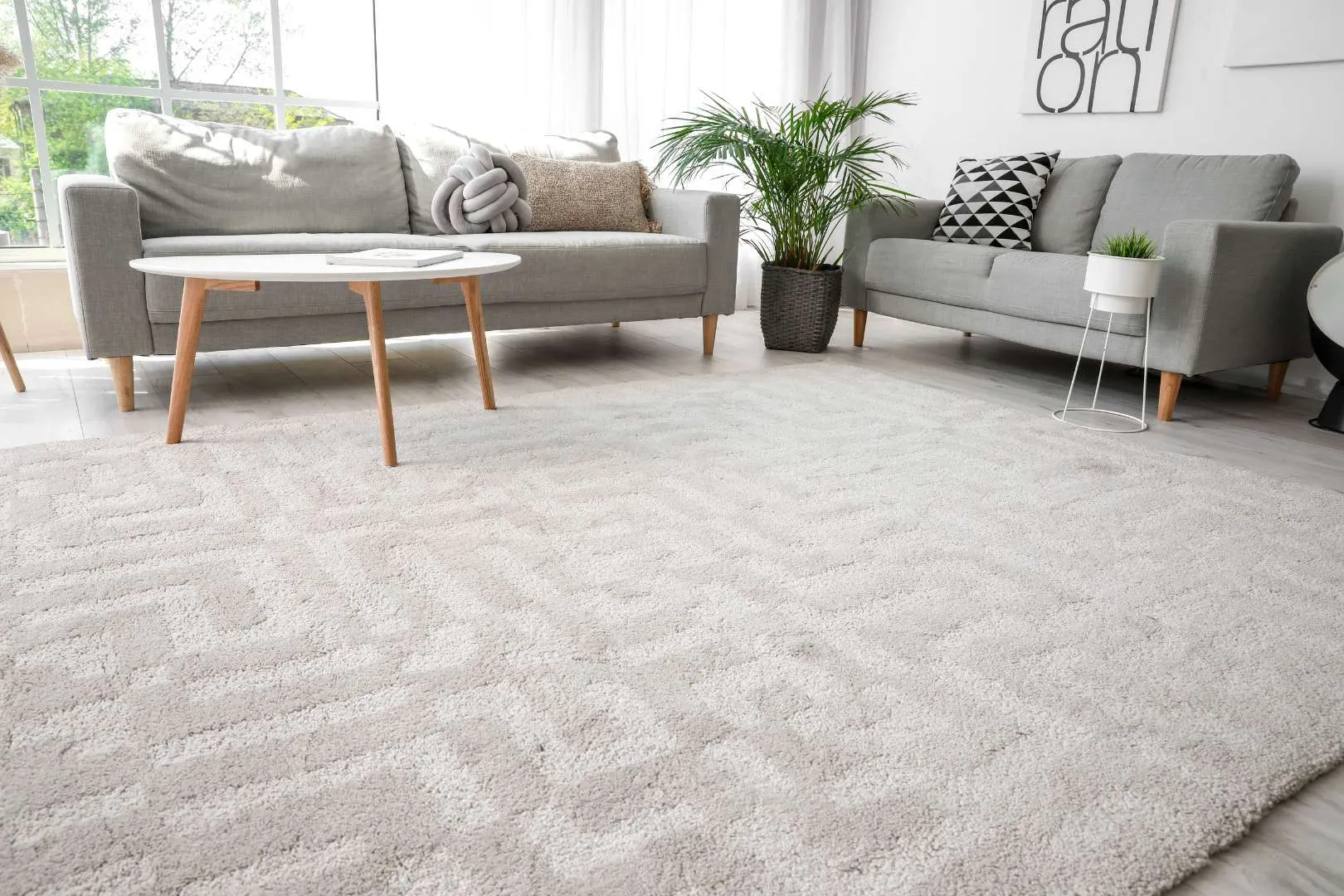
Your floors play a bigger role in indoor air quality than most people realize. Dust, allergens, pet dander, and moisture can settle into certain materials, affecting the overall health of your home environment. Choosing the right flooring can make a noticeable difference in how clean and breathable your space feels.
The best hypoallergenic flooring options for a healthier home are designed to resist buildup and make cleaning more effective. Materials like hard surfaces and low-porosity finishes help reduce the presence of common irritants while supporting easier maintenance.
With the right flooring choice, you can create a space that feels cleaner, supports better air quality, and contributes to a more comfortable living environment every day.
Choosing Hypoallergenic Flooring for Cleaner Everyday Living
How Hypoallergenic Flooring Supports Cleaner Indoor Air
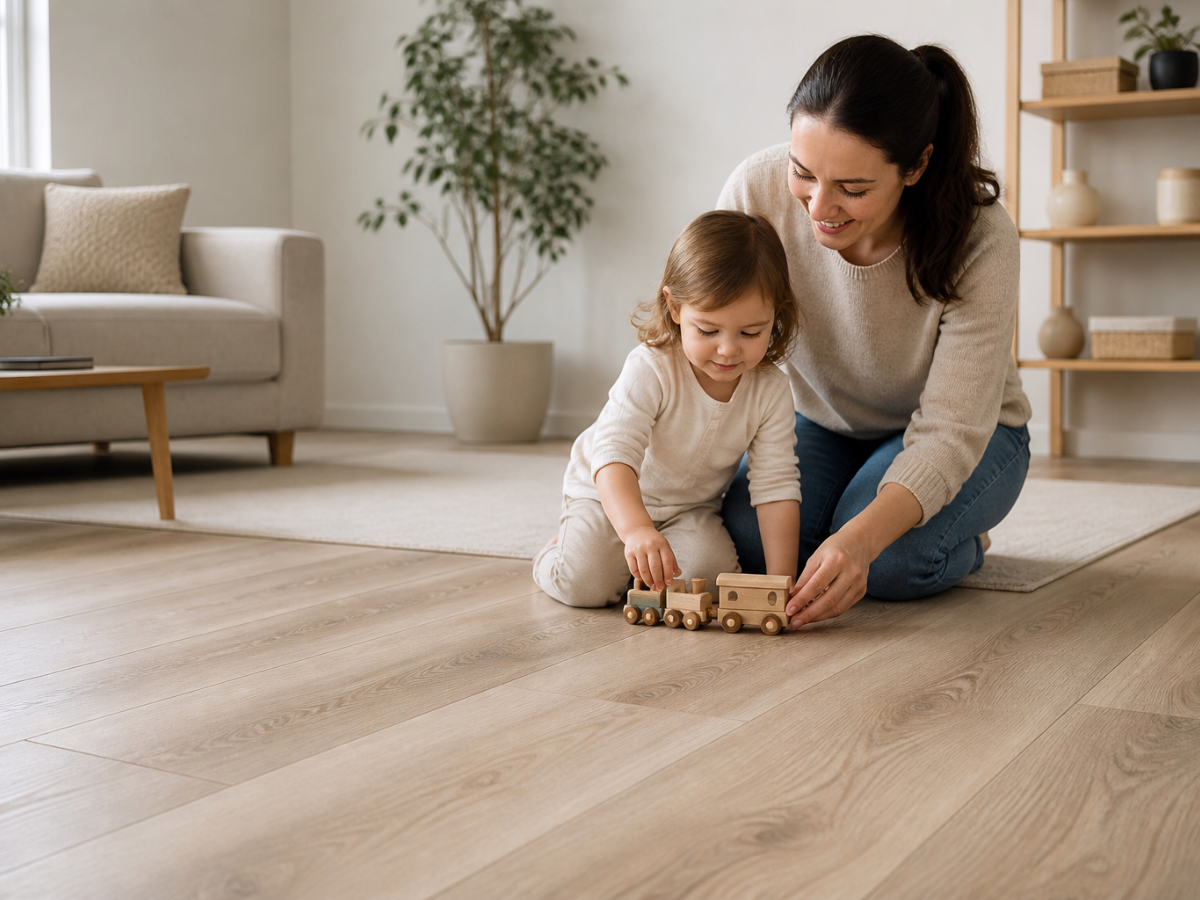
One of the most immediate benefits of hypoallergenic flooring is its effect on indoor air quality. Unlike carpet or other soft surfaces that tend to trap dust, pollen, and pet dander, many hard flooring options keep allergens closer to the surface where they can be easily removed.
This difference becomes especially important in homes where allergies are a concern. With fewer particles circulating in the air, it becomes easier to maintain a cleaner environment. Over time, this can help reduce irritation and create a space that feels more comfortable to live in.
Easier Cleaning And Everyday Maintenance
Another advantage of hypoallergenic flooring is how simple it is to maintain. Because allergens are not embedded in the material, routine cleaning becomes more effective. Sweeping, vacuuming, or using a damp mop is often enough to keep surfaces clear.
This ease of care also means fewer harsh cleaning products are needed. Many homeowners find that they can maintain their floors with gentler solutions, which further supports a healthier indoor environment. The result is a routine that feels manageable while still delivering consistent results.
Reducing Allergen Exposure In Daily Life
For individuals who are sensitive to dust or other airborne particles, flooring choices can have a real impact on how they feel at home. Hypoallergenic flooring helps limit exposure by preventing allergens from settling deep into surfaces.
This can make a difference in everyday comfort. Rooms feel fresher, and there is less risk of buildup over time. While no flooring can eliminate allergens entirely, choosing materials that resist accumulation is a practical step toward reducing their presence.
Long-Term Health And Comfort Benefits
Beyond immediate improvements, hypoallergenic flooring contributes to long-term comfort. A cleaner environment often leads to fewer triggers for allergies and respiratory issues. Over time, this can support better overall indoor conditions without requiring constant effort.
It also creates a more adaptable space. Whether the home environment changes due to pets, seasonal conditions, or increased foot traffic, hypoallergenic flooring remains relatively easy to manage. This flexibility makes it a reliable option for households looking to maintain consistent air quality.
A Practical Choice For Modern Living
Hypoallergenic flooring is not only about health. It also aligns with modern expectations for durability and design. Many options combine performance with visual appeal, allowing homeowners to create spaces that are both functional and inviting.
By choosing hypoallergenic flooring, homeowners can strike a balance between style, convenience, and well-being. It offers a straightforward way to improve indoor conditions while supporting a cleaner, more comfortable living space over time.
Types of Hypoallergenic Flooring Materials
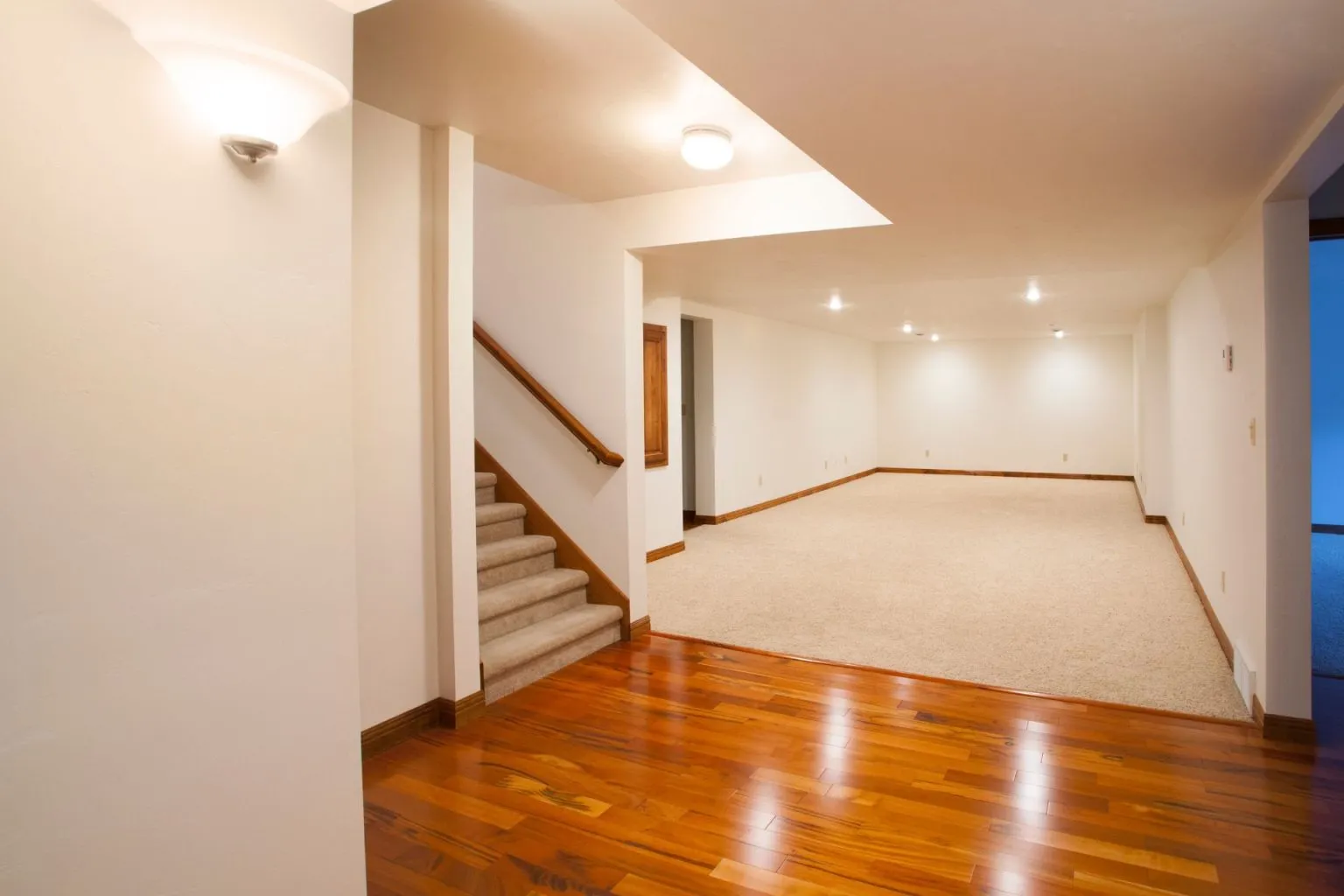
Choosing the right flooring plays a bigger role in indoor air quality than many people realize. Some materials naturally resist dust, moisture, and allergens, making them a better fit for households focused on creating a cleaner environment.
When exploring hypoallergenic flooring, it helps to understand how different materials perform in real-world conditions, not just how they look.
Cork Flooring And Its Natural Protective Qualities
Cork is often one of the first materials people consider when looking into hypoallergenic flooring. It comes from the bark of cork oak trees and has a structure that naturally resists mold and mildew. This makes it especially useful in spaces where moisture can become an issue.
Beyond its resistance to allergens, cork also feels softer underfoot compared to harder surfaces. It absorbs sound and adds a level of comfort that many homeowners appreciate.
Because it is harvested without damaging the tree, it also appeals to those looking for a more sustainable option that supports long-term environmental health.
Bamboo Flooring As A Durable And Clean Option
Bamboo offers a different set of advantages while still supporting a low-allergen environment. It is known for its durability and fast-growing nature, which makes it a renewable choice. In terms of performance, bamboo does not easily trap dust or pet dander, helping maintain cleaner surfaces over time.
Another benefit is how easy it is to maintain. With regular cleaning, bamboo floors can stay free of buildup that might otherwise affect air quality. This makes it a practical option for busy households that want both resilience and simplicity.
Linoleum Flooring And Its Low-Allergen Composition
Linoleum stands out because it is made from natural components such as linseed oil, cork dust, and wood flour. These materials contribute to its antibacterial and anti-static properties, which can help reduce the presence of airborne particles.
From a maintenance perspective, linoleum is straightforward to clean and does not require specialized care. Its surface discourages dust accumulation, making it a reliable choice for those prioritizing hypoallergenic flooring in everyday living spaces.
Tile Flooring For Moisture Resistance And Easy Cleaning
Tile remains one of the most practical choices for reducing allergens. Its non-porous surface does not trap dust, pollen, or pet dander, which makes regular cleaning highly effective. This is especially important in areas like kitchens and bathrooms where moisture levels tend to be higher.
In addition to its functional benefits, tile offers a wide range of styles. Homeowners can choose from different textures and finishes while still maintaining a surface that supports better air quality.
Vinyl Flooring And Considerations For Indoor Air Quality
Modern vinyl flooring has improved significantly and is often designed to resist moisture and microbial growth. These qualities make it suitable for spaces that require durability and easy upkeep. It can also replicate the look of wood or stone, offering design flexibility without added maintenance.
At the same time, it is important to be mindful of product quality. Some lower-grade materials may release compounds over time, which can affect indoor air conditions. Choosing certified low-emission products helps ensure that vinyl remains a viable hypoallergenic flooring option.
Laminate Flooring For Low-Maintenance Living
Laminate flooring provides a sealed surface that limits the buildup of dust and allergens. This makes it easy to maintain with routine cleaning, without the need for extensive upkeep. It also offers versatility in design, allowing homeowners to achieve the appearance of natural materials at a more accessible price point.
Because of its layered construction, laminate performs well in many areas of the home, as long as moisture exposure is managed properly. When installed correctly, it supports a cleaner indoor environment.
Hardwood Flooring As A Long-Term Investment
Hardwood continues to be a popular choice for those focused on both aesthetics and health. Its smooth surface does not trap allergens, making it easier to keep clean compared to carpeted options. Regular sweeping and occasional refinishing can help maintain its condition over time.
Many modern finishes are designed with low emissions in mind, which supports better air quality indoors. For homeowners seeking hypoallergenic flooring that also adds long-term value, hardwood remains a strong and reliable option.
Benefits Of Hypoallergenic Flooring
Choosing hypoallergenic flooring is about more than just material preference. It directly impacts how comfortable and healthy a home feels day to day. By reducing the buildup of common irritants, the right flooring can make a noticeable difference in air quality, maintenance, and overall well-being.
Installation And Maintenance Tips For Hypoallergenic Flooring
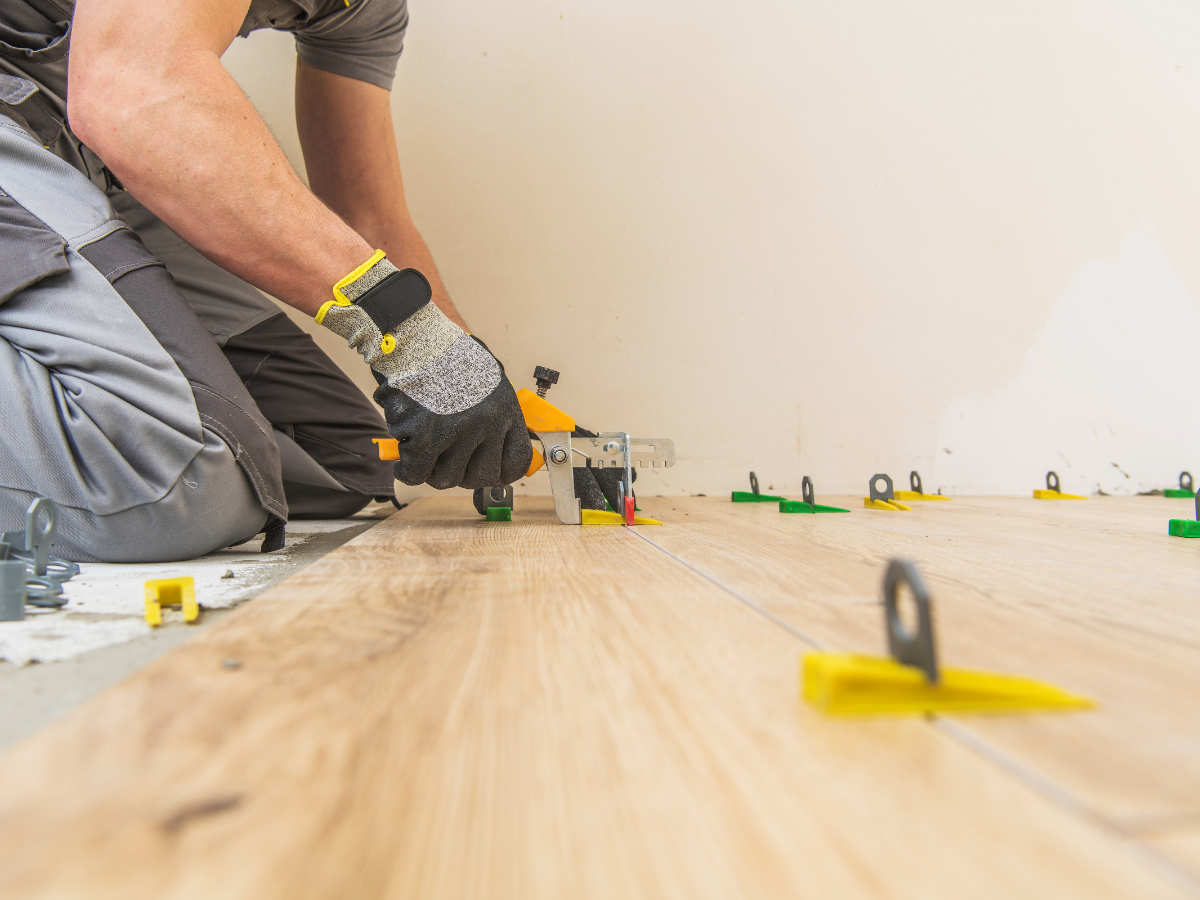
Getting the most out of hypoallergenic flooring starts with how it is installed and how it is cared for over time. Even high-quality materials can fall short if gaps, buildup, or improper cleaning methods are introduced.
A thoughtful approach to both installation and maintenance helps preserve the benefits that make hypoallergenic flooring a healthier choice in the first place.
Why Proper Installation Matters For Allergen Control
Installation plays a bigger role than many homeowners expect. When flooring is fitted tightly and evenly, it limits the spaces where dust, pet dander, and other particles can collect. Small gaps along edges or between boards may seem minor, but they can become hidden areas where allergens build up over time.
Sealing transitions and ensuring a smooth finish across the entire surface helps create a cleaner environment. This is especially important in high-traffic areas, where particles are more likely to be tracked in and spread around.
With hypoallergenic flooring, a clean installation sets the foundation for easier upkeep and better air quality.
Creating A Cleaning Routine That Supports Air Quality
Once the flooring is in place, consistency in cleaning makes a noticeable difference. Because hypoallergenic flooring does not trap debris the way softer surfaces do, regular maintenance can quickly remove dust before it circulates through the air.
Vacuuming with a high-efficiency filter helps capture fine particles that might otherwise be missed. In addition, occasional damp mopping can remove residue that builds up over time. The goal is not intensive cleaning, but rather a steady routine that keeps surfaces clear without allowing buildup to return.
Choosing Cleaning Products That Protect Your Floors
The products used for cleaning can impact both the flooring and the surrounding air. Harsh chemicals may leave behind residues or release strong odors that affect indoor comfort. For this reason, many homeowners prefer milder, eco-conscious cleaners that maintain the surface without introducing unnecessary irritants.
Using the right products also helps preserve the finish of hypoallergenic flooring. Over time, gentle cleaning supports durability while still maintaining the hygienic qualities that make these materials appealing. This balance allows the flooring to remain both functional and comfortable in everyday use.
Preventing Wear And Allergen Buildup Over Time
Beyond routine cleaning, a few simple habits can help extend the performance of hypoallergenic flooring. Keeping entryways clean, using mats where appropriate, and addressing spills quickly all reduce the amount of debris that reaches the floor.
It is also helpful to monitor areas that experience more use. Kitchens, hallways, and living spaces tend to collect more dust, so giving these areas extra attention can prevent buildup from spreading. With consistent care, the flooring continues to perform as intended without requiring major effort.
Long-Term Care For Consistent Performance
Maintaining hypoallergenic flooring is less about intensive upkeep and more about consistency. When installation is done correctly and care routines are kept simple, the flooring continues to support a cleaner indoor environment over time.
By focusing on proper fit, regular cleaning, and thoughtful product choices, homeowners can protect both the appearance and function of their floors. Hypoallergenic flooring is designed to make everyday living easier, and with the right approach, it can continue to do so for years to come.
Eco-Friendly Options In Hypoallergenic Flooring
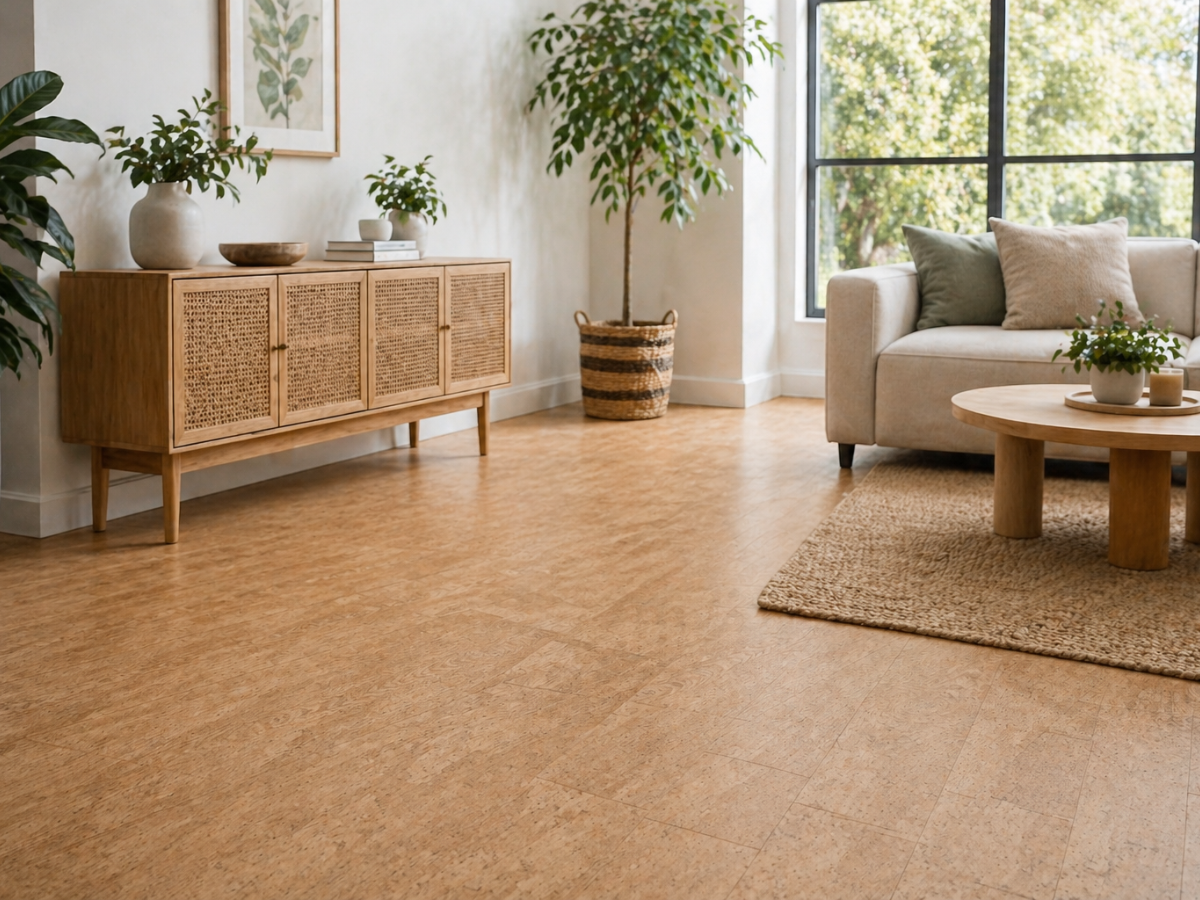
Choosing hypoallergenic flooring often goes hand in hand with making more sustainable decisions. Many of the best options for reducing allergens are also made from renewable or responsibly sourced materials. This creates an opportunity to improve indoor air quality while also reducing environmental impact.
Materials like bamboo and cork are strong examples of this balance. They grow quickly, require fewer resources to produce, and still offer the performance needed for everyday living.
By selecting eco-conscious hypoallergenic flooring, homeowners can create a space that feels cleaner while also supporting long-term sustainability.
How Hypoallergenic Flooring Reduces Allergens Indoors
One of the main reasons people choose hypoallergenic flooring is its ability to limit allergen buildup. Unlike carpet or other soft surfaces, these materials do not trap dust, pet dander, or pollen deep within fibers. Instead, particles remain on the surface, where they can be removed through regular cleaning.
This simple difference has a meaningful impact. With fewer places for allergens to settle, the overall environment becomes easier to manage.
Many types of hypoallergenic flooring are also resistant to moisture, which helps prevent mold growth in areas where humidity is a concern. Combined with consistent upkeep, this creates a cleaner and more controlled indoor setting.
Choosing The Right Flooring For Allergy Relief
When deciding which materials work best, it helps to focus on how each option performs in daily use. Cork, for example, offers natural resistance to mold and mildew while providing a softer feel underfoot. Bamboo stands out for its durability and ability to resist common allergens like dust mites.
Linoleum is another strong contender, thanks to its natural composition and smooth surface. It is easy to maintain and does not encourage the buildup of airborne particles.
Each of these materials supports the goals of hypoallergenic flooring in a slightly different way, allowing homeowners to choose based on both function and style.
The Connection Between Flooring And Indoor Air Quality
Flooring has a direct influence on the air inside a home. Surfaces that trap debris can gradually release particles back into the air, especially with regular movement and foot traffic. Over time, this can contribute to discomfort for those sensitive to allergens.
Hypoallergenic flooring helps break that cycle by keeping surfaces easier to clean and less likely to hold onto irritants.
In addition, many modern options are designed with low emissions in mind, which further supports a healthier indoor environment. This is particularly important in enclosed spaces where air circulation may be limited.
Balancing Health, Design, And Practical Use
While performance is important, flooring still needs to fit the look and feel of the home. One of the advantages of hypoallergenic flooring is that it does not require sacrificing design. Many materials are available in a wide range of finishes, textures, and colors, making it easier to match personal style preferences.
At the same time, these options remain practical for everyday use. They handle wear, cleaning, and changing conditions without requiring constant attention. This balance allows homeowners to create spaces that are both visually appealing and easier to live in.
Creating A Healthier Living Environment Over Time
The impact of hypoallergenic flooring becomes more noticeable over time. With fewer allergens settling into the home, maintaining a clean environment becomes more manageable. Small, consistent habits such as regular cleaning and proper ventilation further support these benefits.
By combining eco-friendly materials with thoughtful design choices, hypoallergenic flooring offers a long-term approach to healthier living. It is not just about reducing allergens in the moment, but about creating a space that continues to feel comfortable and easy to maintain in the years ahead.
What Are Low-VOC and Non-Toxic Flooring Options?

When choosing hypoallergenic flooring, it is not just about surface performance. The materials themselves also matter. Low VOC and non-toxic options are designed to release fewer airborne chemicals, which helps maintain better indoor air quality over time.
Bamboo is a common choice in this category, especially when manufactured with low-emission adhesives. It offers durability while supporting a cleaner indoor environment.
Cork is another strong option, known for being naturally non-toxic and resistant to mold. Linoleum also stands out because it is made from natural components and does not rely on synthetic chemicals in the same way some other materials do.
Selecting hypoallergenic flooring with low VOC properties adds another layer of protection, especially in homes where air quality is a priority.
How Flooring Choices Influence Respiratory Health
The type of flooring in a home can directly affect how air circulates and what particles remain in the environment. Surfaces that trap dust and moisture can gradually release irritants back into the air, which may contribute to discomfort over time.
Hypoallergenic flooring helps reduce this cycle by limiting where allergens can settle. Smooth, sealed surfaces are easier to clean and less likely to hold onto dust, pollen, or pet dander. This creates an environment that supports easier breathing, particularly for those who are sensitive to airborne particles.
In addition, choosing materials that emit fewer chemicals helps reduce indoor air pollution. When combined with good ventilation and regular cleaning, these flooring choices can support a more stable and comfortable indoor atmosphere.
Easy-To-Clean Flooring For Everyday Allergy Management
One of the most practical benefits of hypoallergenic flooring is how easy it is to keep clean. Instead of requiring deep cleaning to remove embedded debris, these surfaces allow for quick and effective maintenance.
Bamboo flooring, for example, can be kept in good condition with simple sweeping and occasional mopping. Hardwood offers a similar advantage, with its smooth surface making it easy to remove dust before it builds up. Vinyl flooring also fits into this category, especially when designed with sealed layers that resist moisture and dirt.
The ease of cleaning is not just about convenience. It also plays a key role in managing allergens on a daily basis. When cleaning is straightforward, it is more likely to be done regularly, which helps maintain the benefits of hypoallergenic flooring over time.
Balancing Safety And Practical Use
Choosing flooring that supports both health and usability requires a balanced approach. Low VOC materials address air quality concerns, while durable surfaces ensure the flooring can handle everyday wear. Together, these qualities make hypoallergenic flooring a practical option for a wide range of households.
It is also worth considering how the flooring will be used in different areas of the home. High-traffic spaces may benefit from more durable materials, while bedrooms may prioritize comfort and air quality. Matching the material to the function of each room helps maximize both performance and longevity.
Creating A Healthier Home Through Thoughtful Choices
The impact of hypoallergenic flooring goes beyond the surface. It influences how a home feels, how easy it is to maintain, and how well it supports long-term comfort. By choosing low-VOC, easy-to-clean materials, homeowners can take a proactive approach to improving indoor conditions.
Over time, these choices contribute to a space that feels cleaner and more manageable. With the right combination of materials and care, hypoallergenic flooring becomes a reliable part of a healthier living environment.nd maintain a healthy home.
How Floor Maintenance Helps Reduce Allergens
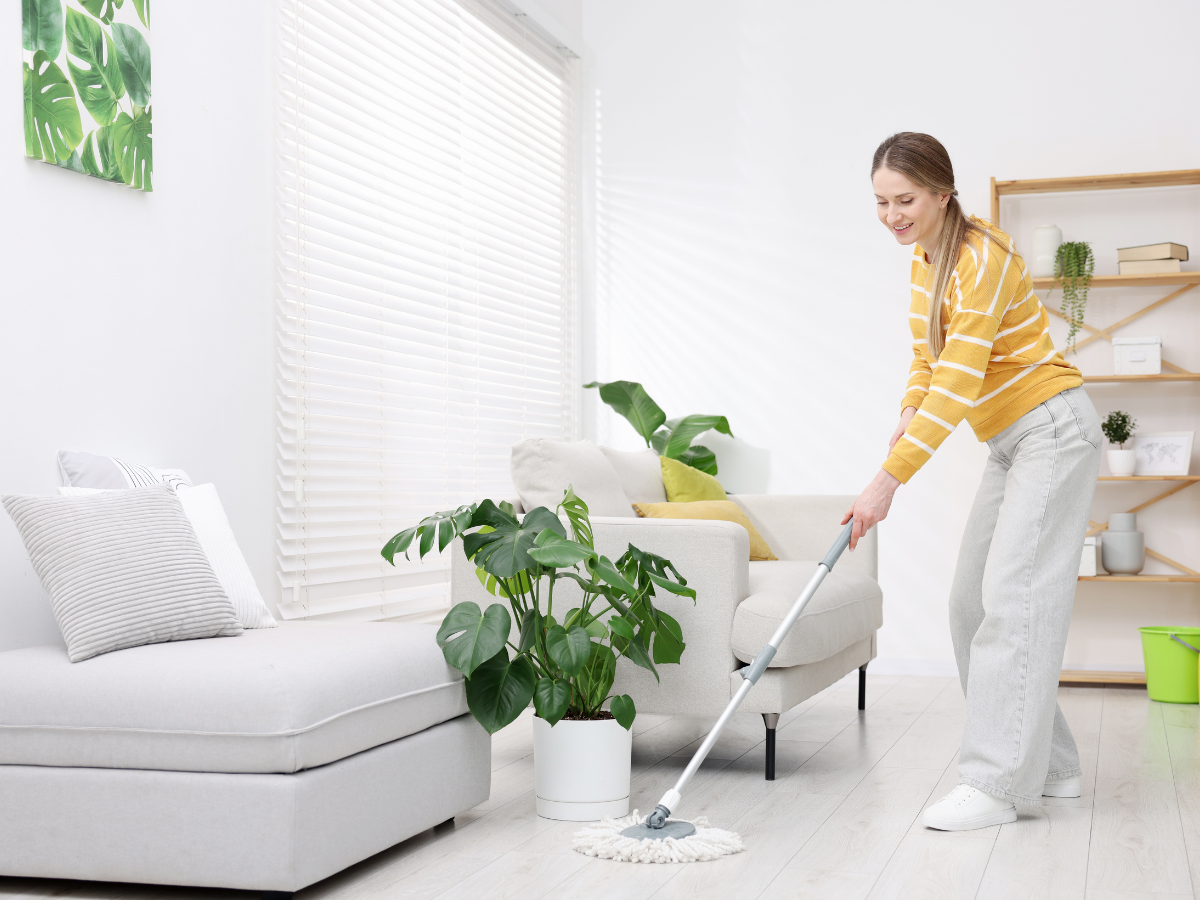
Even the best hypoallergenic flooring needs consistent care to stay effective. Regular maintenance plays a direct role in keeping allergens under control by preventing dust, pet dander, and other particles from building up over time.
Without routine cleaning, even non-porous surfaces can collect debris that eventually circulates through the air. Simple habits make a noticeable difference. Vacuuming with a high-efficiency filter helps capture fine particles that might otherwise be missed.
Following up with a damp mop can remove any remaining residue and keep surfaces truly clean. The goal is not deep cleaning every day, but maintaining a steady routine that keeps allergens from settling in the first place.
Over time, this consistency supports better indoor air quality. Hypoallergenic flooring is designed to make cleaning easier, and regular maintenance ensures those benefits continue to work as intended.
Why Cleaning Methods Matter For Hypoallergenic Flooring
Not all cleaning approaches are equally effective when it comes to managing allergens. Dry sweeping alone can sometimes stir particles into the air rather than remove them. Combining vacuuming with occasional damp cleaning provides a more complete solution.
Choosing the right tools also matters. Soft attachments and appropriate settings help protect the surface of hypoallergenic flooring while still removing buildup.
Using gentle, non-irritating cleaning solutions further supports a healthier environment, especially in homes where sensitivity to chemicals is a concern.
By focusing on both technique and consistency, homeowners can maintain flooring that stays clean without introducing new irritants into the space.
Flooring Surfaces That Resist Dust Mites And Mold
Some flooring materials naturally perform better in environments where allergens are a concern. Hardwood is a common example because its sealed surface does not trap dust or moisture. This makes it easier to clean thoroughly and reduces the likelihood of allergens accumulating over time.
Tile is another strong option, particularly in areas exposed to moisture. Its resistance to water makes it less likely to support mold growth, which can be a concern in kitchens, bathrooms, or humid climates. With proper installation and sealing, tile provides a stable and low-maintenance surface that supports cleaner air.
Vinyl flooring also fits into this category when manufactured to modern standards. Its smooth surface resists both moisture and debris, making it easier to maintain. When paired with good cleaning habits, these materials contribute to a more controlled indoor environment.
Matching Flooring To Your Household Needs
Choosing the right hypoallergenic flooring is not only about material properties. It also depends on how the space is used. High-traffic areas may benefit from more durable surfaces, while quieter spaces may prioritize comfort and ease of cleaning.
Understanding daily routines can help guide these decisions. Homes with pets, for example, may require surfaces that handle frequent cleaning without wear. Households focused on minimizing allergens may prioritize materials that resist both dust and moisture.
Taking these factors into account ensures that the flooring supports both health and practicality.
Long-Term Benefits Of Consistent Care
Maintaining hypoallergenic flooring is an ongoing process, but it does not need to be complicated. With the right habits in place, it becomes part of a regular routine rather than a separate task.
Over time, consistent care helps preserve both the appearance and performance of the flooring. It also supports a healthier indoor environment by keeping allergens at manageable levels.
By combining the right materials with thoughtful maintenance, homeowners can create spaces that remain clean, comfortable, and easier to live in year after year.
Conclusion
Choosing hypoallergenic flooring is an essential step toward creating a healthier home environment, especially for allergy and asthma sufferers.
By minimizing these irritants, you can improve indoor air quality and reduce allergy symptoms for your entire family. For expert guidance in selecting and installing the best hypoallergenic flooring for your lifestyle, trust Diaz Hardwood Floors.
Ready to breathe easier in a cleaner, healthier home? Call 404-791-0444 today or fill out our website form for a consultation. Let our team help you choose flooring that’s as good for your health as it is beautiful.