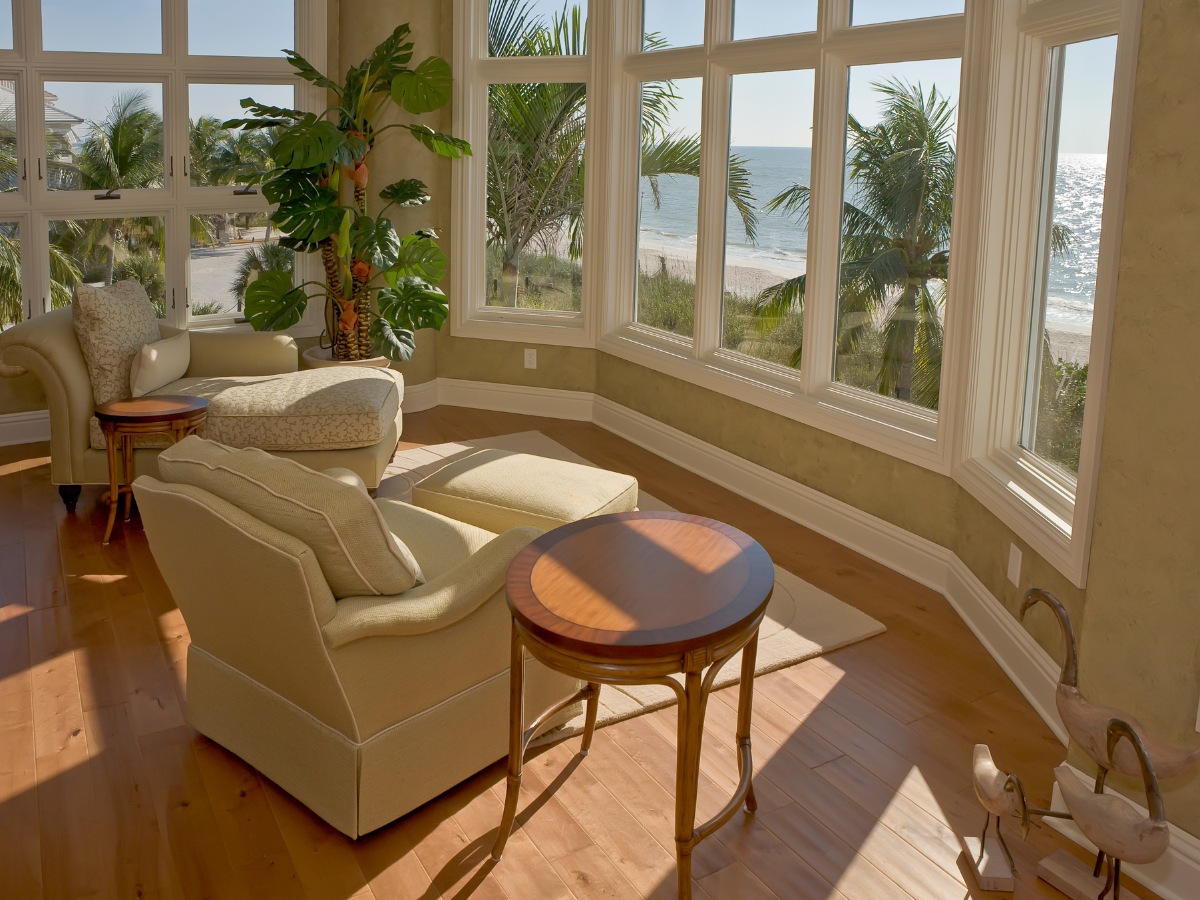
A coastal-inspired home should feel light, calm, and connected to its surroundings, and flooring plays a major role in creating that atmosphere.
The right materials and tones can instantly make a space feel brighter, more open, and effortlessly relaxed. Coastal flooring ideas focus on capturing that breezy beach house feel while still standing up to everyday wear.
Natural textures, soft color palettes, and durable finishes are key elements in achieving the look. Whether you prefer weathered wood tones, light luxury vinyl planks, or airy tile designs, the right flooring helps tie the entire space together without feeling overly themed.
With thoughtful choices, you can create a home that feels comfortable, inviting, and inspired by the ease of coastal living year-round.
How Coastal Flooring Creates Easy Beach House Style
What Makes Coastal Hardwood Flooring A Popular Choice For Beach Homes?
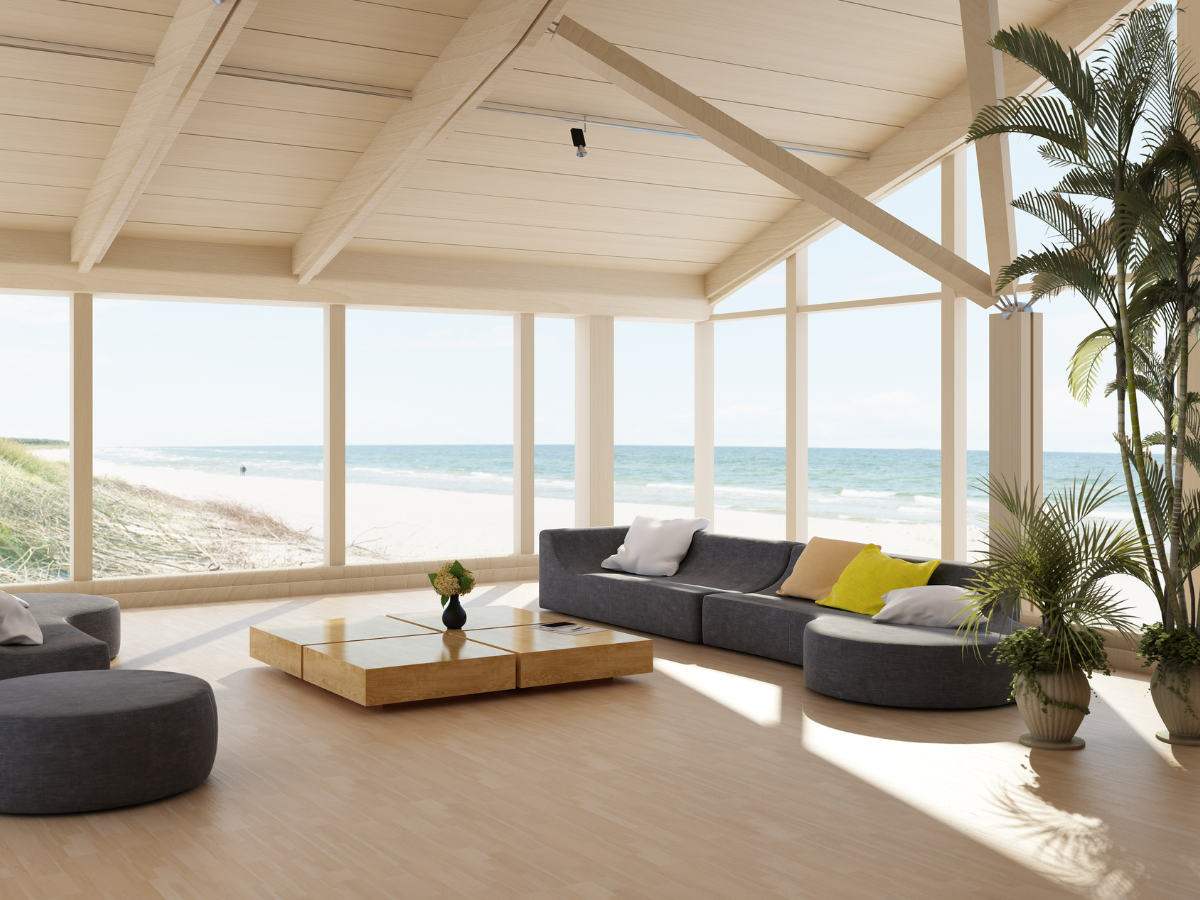
Coastal hardwood flooring remains one of the most sought-after options for beach houses because it balances style, durability, and long-term value.
Homeowners are often drawn to the natural texture and warmth that hardwood brings to a space, especially in coastal interiors where comfort and openness are key design goals.
Unlike some flooring materials that can feel cold or overly modern, hardwood creates a relaxed and inviting atmosphere that fits naturally within a beach-inspired home.
Light oak, whitewashed finishes, and weathered wood tones are especially popular because they reflect the soft colors commonly found along the coast. These finishes help brighten rooms while complementing ocean views, natural light, and airy interior palettes.
Another reason coastal hardwood continues to gain attention is its versatility. It works well in both traditional beach cottages and more contemporary coastal homes. Whether paired with linen fabrics, natural stone accents, or minimalist décor, the flooring adapts easily without overpowering the rest of the design.
Durability also plays an important role. Many homeowners choose coastal hardwood because it can handle daily wear in busy households. Beach homes often experience heavy foot traffic from guests, pets, and outdoor activity, so flooring needs to hold up over time without sacrificing appearance.
How Does Coastal Hardwood Flooring Enhance Beach House Vibes?
One of the biggest advantages of coastal hardwood flooring is the way it strengthens the connection between indoor and outdoor spaces. Beach homes are designed to feel open, calm, and closely tied to nature, and hardwood helps reinforce that atmosphere through its organic texture and natural variation.
The grain patterns found in hardwood flooring often resemble the driftwood, sand tones, and weathered textures associated with coastal environments.
This creates a more grounded and cohesive design that feels authentic rather than overly themed. Instead of relying on decorative beach elements alone, the flooring itself becomes part of the coastal aesthetic.
Color selection also has a major impact on the overall mood of the home. Lighter finishes can make smaller rooms feel larger and brighter, especially when paired with natural sunlight.
Soft beige, sandy oak, and muted gray undertones are commonly used in coastal flooring designs because they reflect light well and create a relaxed visual flow throughout the house.
Beyond appearance, coastal hardwood contributes to comfort. Hardwood surfaces feel warm and welcoming underfoot, which helps beach homes maintain a lived-in, casual atmosphere.
Many homeowners also appreciate how hardwood ages over time, developing subtle character that enhances the home’s coastal charm rather than detracting from it.
What Should Homeowners Consider Before Choosing Coastal Hardwood?
While coastal hardwood offers many advantages, selecting the right product for a beach environment requires careful planning. Coastal climates often bring higher humidity levels, salt air, and fluctuating temperatures, all of which can affect flooring performance if the wrong material is used.
Engineered hardwood is often recommended for coastal flooring applications because it provides greater stability in humid conditions compared to traditional solid hardwood.
Its layered construction helps minimize expansion and contraction caused by moisture changes, making it a practical option for homes near the ocean.
Finish selection is another important consideration. Matte and low-sheen finishes tend to work especially well in coastal interiors because they create a softer, more natural appearance. They are also better at hiding small scratches, footprints, and sand that may be tracked indoors from the beach.
Maintenance should also be part of the decision-making process. Although coastal hardwood is durable, regular cleaning helps preserve its appearance over time. Using rugs near entrances, sweeping away sand, and maintaining proper indoor humidity levels can help extend the life of the flooring.
How Does Coastal Hardwood Compare To Other Coastal Flooring Options?
Many homeowners compare coastal hardwood to tile, vinyl plank, or laminate flooring when designing a beach house. Each material has its strengths, but hardwood continues to stand out for its natural appearance and timeless appeal.
Tile performs well in wet environments, though it can sometimes feel colder and less inviting in living spaces. Luxury vinyl plank offers water resistance and affordability, but some homeowners prefer the authentic texture and character that real wood provides.
Laminate flooring can mimic wood visually, yet it often lacks the depth and variation that make hardwood feel unique. Coastal hardwood flooring occupies a middle ground between beauty and functionality. It delivers the relaxed aesthetic many homeowners want while still offering the durability needed for everyday coastal living.
With the right finish, installation method, and maintenance routine, it can remain both stylish and practical for many years.
Why Is Light Wood Flooring Popular In Coastal Interiors?
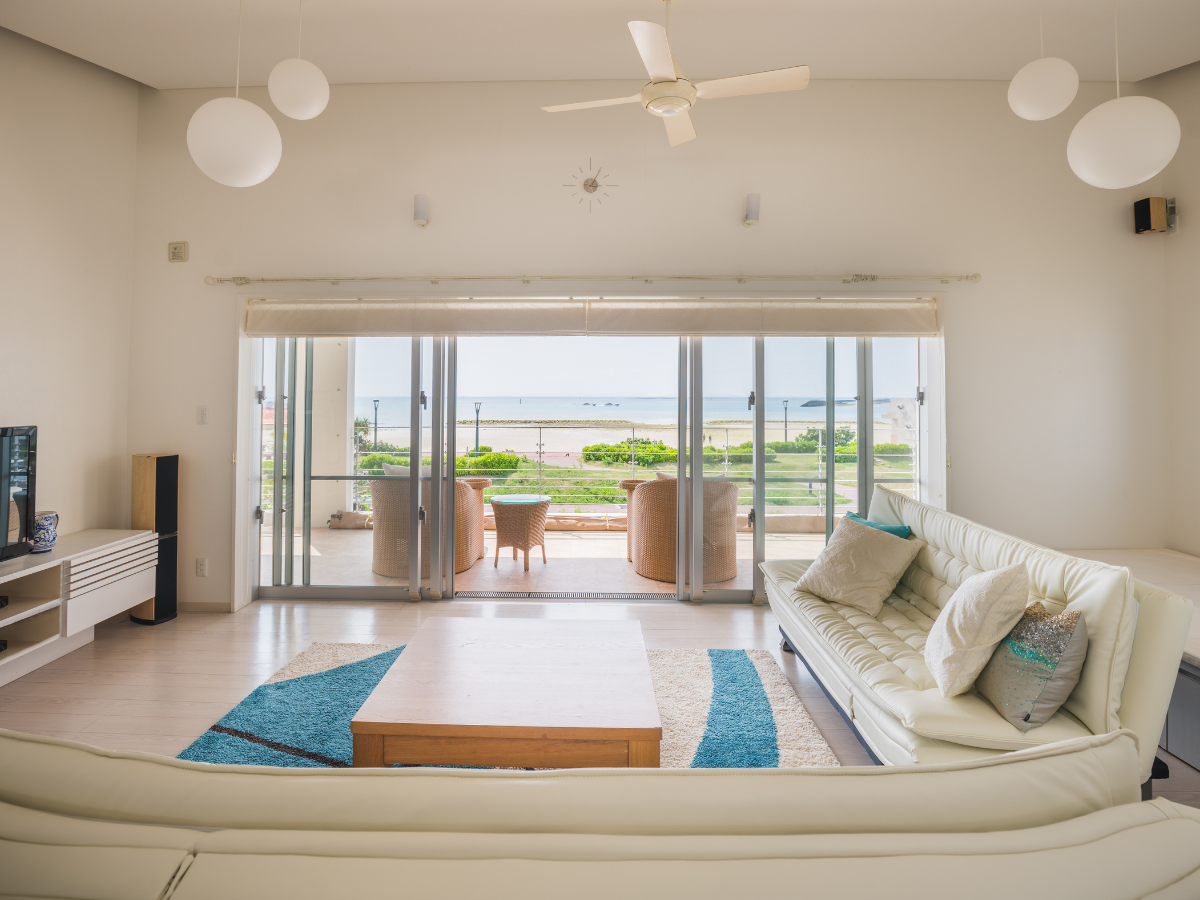
Light wood flooring has become a defining feature in many beach-inspired homes because it creates an open, relaxed atmosphere that fits naturally with coastal living. Soft wood tones help brighten interiors and make spaces feel larger, which is especially valuable in homes designed to maximize natural light and ocean views.
One of the main reasons homeowners choose light wood is its ability to reflect sunlight rather than absorb it. In coastal homes, where large windows and airy layouts are common, this reflection helps rooms feel fresh and inviting throughout the day.
Shades such as white oak, blonde maple, ash, and lightly brushed pine are frequently used in coastal flooring designs because they complement sandy neutrals, soft blues, and natural textures often found in beach-inspired décor.
Light wood also creates a more casual and comfortable appearance compared to darker flooring options. Instead of making a room feel formal or heavy, lighter finishes contribute to the easygoing style that many homeowners want in a coastal setting.
This makes the flooring suitable for everything from modern beachfront homes to traditional seaside cottages. Another advantage is flexibility in design.
Coastal flooring with lighter wood tones pairs well with a wide range of interior styles, allowing homeowners to update furniture or décor over time without needing to replace the flooring itself.
How Does Light Wood Enhance A Coastal Design?
Light wood flooring plays an important role in shaping the overall mood of a coastal home. The soft, natural appearance helps blur the line between indoor and outdoor spaces, creating a smoother visual connection to the surrounding environment.
In many coastal interiors, the goal is to create rooms that feel calm and uncluttered. Light wood contributes to this by reducing visual heaviness and helping spaces feel more breathable. Even smaller rooms can appear larger when paired with pale flooring and natural light.
Texture also matters in coastal design. Many homeowners prefer light wood floors with subtle grain patterns or lightly weathered finishes because they resemble driftwood and other natural coastal materials. These details add character without overwhelming the space.
Coastal flooring trends also lean toward matte and low-sheen finishes rather than highly glossy surfaces. Softer finishes create a more natural appearance while helping conceal footprints, sand, and small scratches that are common in active beach households.
Because of its neutral appearance, light wood flooring can support a variety of color palettes. It works equally well with crisp white walls, earthy coastal tones, woven textures, and modern minimalist décor. This versatility makes it easier for homeowners to personalize their space while still maintaining a cohesive coastal feel.
What Makes Light Wood Flooring Practical For Beach Homes?
Beyond appearance, light wood flooring offers several practical benefits for coastal living. Beach homes often deal with sand, moisture, pets, and high foot traffic, so flooring needs to be durable and relatively easy to maintain.
One advantage of lighter finishes is that they tend to hide dust, sand particles, and everyday wear more effectively than darker flooring. Minor scratches and surface marks are often less noticeable, making light wood a practical option for families, vacation rentals, or homes with pets.
Engineered wood products are especially popular for coastal flooring because they handle humidity changes more effectively than traditional solid hardwood. Coastal climates can cause wood to expand and contract due to moisture in the air, but engineered flooring is designed to provide greater stability in these conditions.
Maintenance is also fairly manageable when the proper finish is selected. Routine sweeping, occasional damp mopping, and humidity control can help preserve the appearance of light wood flooring for years.
Homeowners often place mats near entrances to reduce sand buildup and protect the surface from excessive wear.
How Does Light Wood Compare To Other Coastal Flooring Styles?
While tile, vinyl plank, and laminate are all commonly used in beach homes, light wood flooring continues to stand out because of its warmth and timeless appeal.
Tile may offer excellent water resistance, but it can sometimes feel colder and less inviting in living spaces. Vinyl flooring is durable and budget-friendly, though many homeowners still prefer the authentic texture and appearance of real wood.
Light wood coastal flooring strikes a balance between comfort, style, and practicality. It delivers the bright, airy aesthetic associated with coastal design while still providing the durability needed for everyday use.
For homeowners who want a beach-inspired space that feels natural and welcoming year-round, light wood remains one of the most versatile flooring choices available.
Why Is Water-Resistant Flooring Important In Coastal Homes?
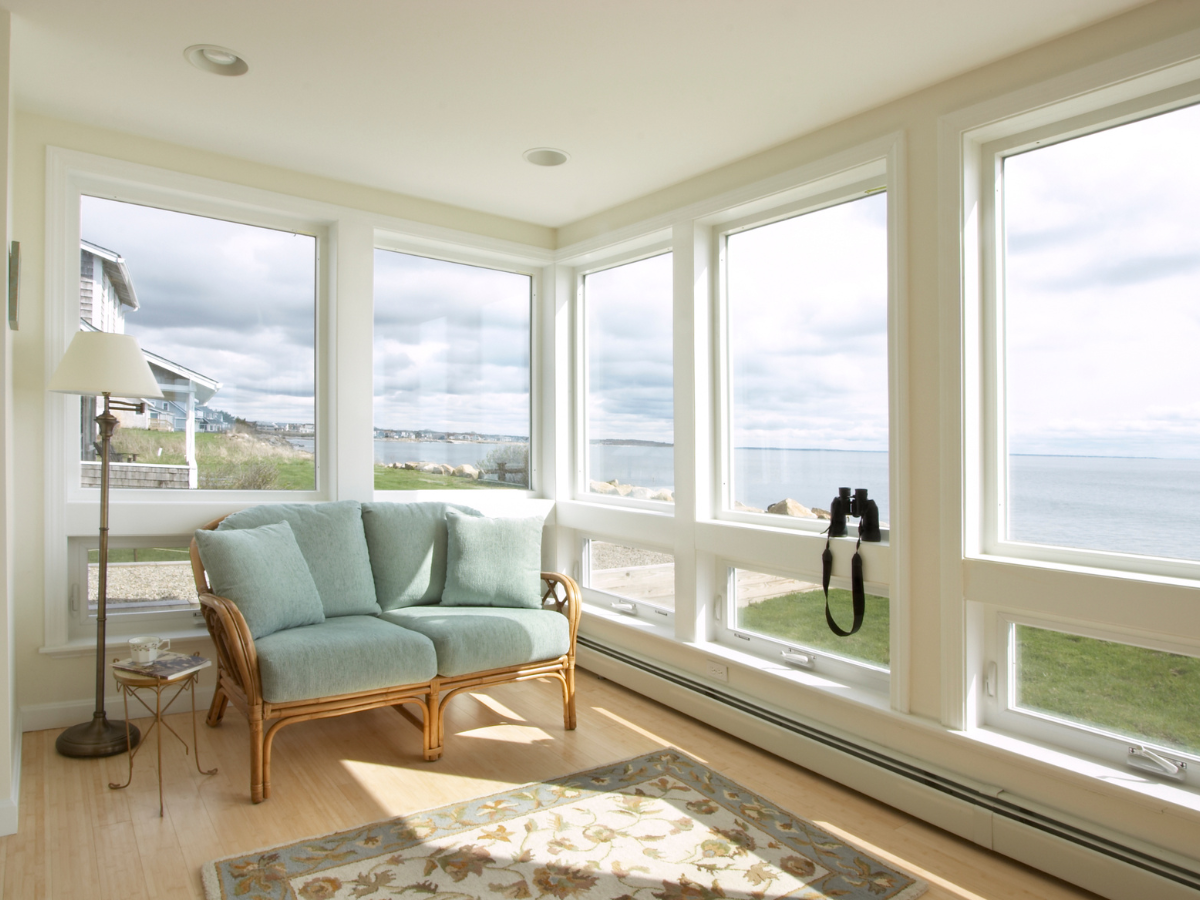
Moisture is one of the biggest challenges for beach houses, which is why water-resistant materials are such an important part of coastal flooring design.
Coastal environments naturally expose homes to humidity, sand, salt air, wet feet, and occasional water intrusion. Flooring that cannot handle these conditions may warp, stain, or deteriorate much faster than expected.
Water-resistant flooring helps protect both the appearance and structural integrity of a home. It reduces the likelihood of swelling, buckling, and mold growth while also making everyday maintenance easier.
In busy beach homes where people regularly move between indoor and outdoor spaces, durable flooring becomes essential rather than optional.
Modern coastal flooring options are designed to balance performance with appearance. Homeowners no longer have to sacrifice style in order to gain moisture protection. Many water-resistant materials now closely replicate the look of natural hardwood while offering better durability for coastal conditions.
This combination of practicality and design flexibility has made water-resistant flooring one of the most popular choices for vacation homes, waterfront properties, and full-time coastal residences alike.
Which Water-Resistant Flooring Options Work Best For Beach Homes?
Luxury vinyl plank flooring is one of the most common choices for coastal flooring because it combines water resistance with the appearance of real wood. Many homeowners appreciate that vinyl plank flooring can withstand moisture without expanding or warping, even in humid conditions.
It also comes in a wide range of coastal-inspired finishes, including driftwood tones, white oak looks, and weathered textures.
Laminate flooring has also improved significantly in recent years. Newer water-resistant laminate products are designed with protective surface layers and tighter locking systems that help prevent moisture penetration.
For homeowners seeking a more budget-friendly option, laminate can provide a clean, coastal appearance while remaining relatively durable in beach environments.
Tile flooring is another strong contender, especially in kitchens, bathrooms, and entryways where moisture exposure is highest. Porcelain and ceramic tile offer excellent resistance to water and sand while requiring minimal maintenance.
However, some homeowners prefer softer-looking coastal flooring materials in living areas to create a warmer atmosphere. Engineered hardwood can also work well in coastal homes when humidity levels are properly managed.
Unlike traditional solid hardwood, engineered planks are built with layered construction that provides greater stability in changing moisture conditions.
Are Laminate And Vinyl Floors Suitable For Humid Coastal Environments?
Laminate and vinyl flooring are both highly suitable for humid coastal climates because they are specifically engineered to handle moisture more effectively than traditional hardwood flooring.
Vinyl flooring is especially popular in coastal homes due to its waterproof construction. It performs well in areas where wet swimsuits, sandy feet, and high humidity are common. Many vinyl products also feature textured surfaces that improve slip resistance, which can be beneficial in beach properties.
Laminate flooring, while not always fully waterproof, has become much more moisture-resistant with modern manufacturing advancements. High-quality laminate products often include protective coatings and water-resistant cores that help reduce the risk of damage from everyday moisture exposure.
Another advantage of these materials is ease of maintenance. Coastal flooring needs frequent cleaning because sand and salt can quickly accumulate indoors. Vinyl and laminate surfaces are typically simple to sweep and mop, making them practical for homeowners who want low-maintenance solutions.
In addition, both materials tend to resist fading better than some traditional flooring types, which is important in beach homes with strong natural sunlight.
What Makes Marine Grade Flooring Ideal For Coastal Durability?
Marine-grade flooring is specifically designed for environments where moisture exposure is constant, making it especially effective for coastal properties. These materials are engineered to resist water damage, mold growth, mildew, and structural weakening caused by humid conditions.
Marine-grade boards and specialty flooring products are commonly used in applications exposed to harsh weather and continuous moisture. Their durability comes from advanced manufacturing methods and protective treatments that help maintain stability over time.
For homeowners exploring premium coastal flooring solutions, marine-grade materials can offer added peace of mind in particularly demanding environments. They are often used in sunrooms, covered outdoor areas, poolside spaces, and waterfront homes where exposure to moisture is unavoidable.
Beyond durability, marine-grade flooring products are increasingly available in finishes that suit modern coastal interiors. Homeowners can now find options that provide both performance and visual appeal, allowing them to maintain a clean, beach-inspired design without compromising long-term reliability.
As coastal home design continues evolving, water-resistant and marine-grade materials are becoming central to creating spaces that are both functional and visually connected to their surroundings.
Why Are Wood-Look Tiles And Vinyl Planks Popular In Coastal Homes?
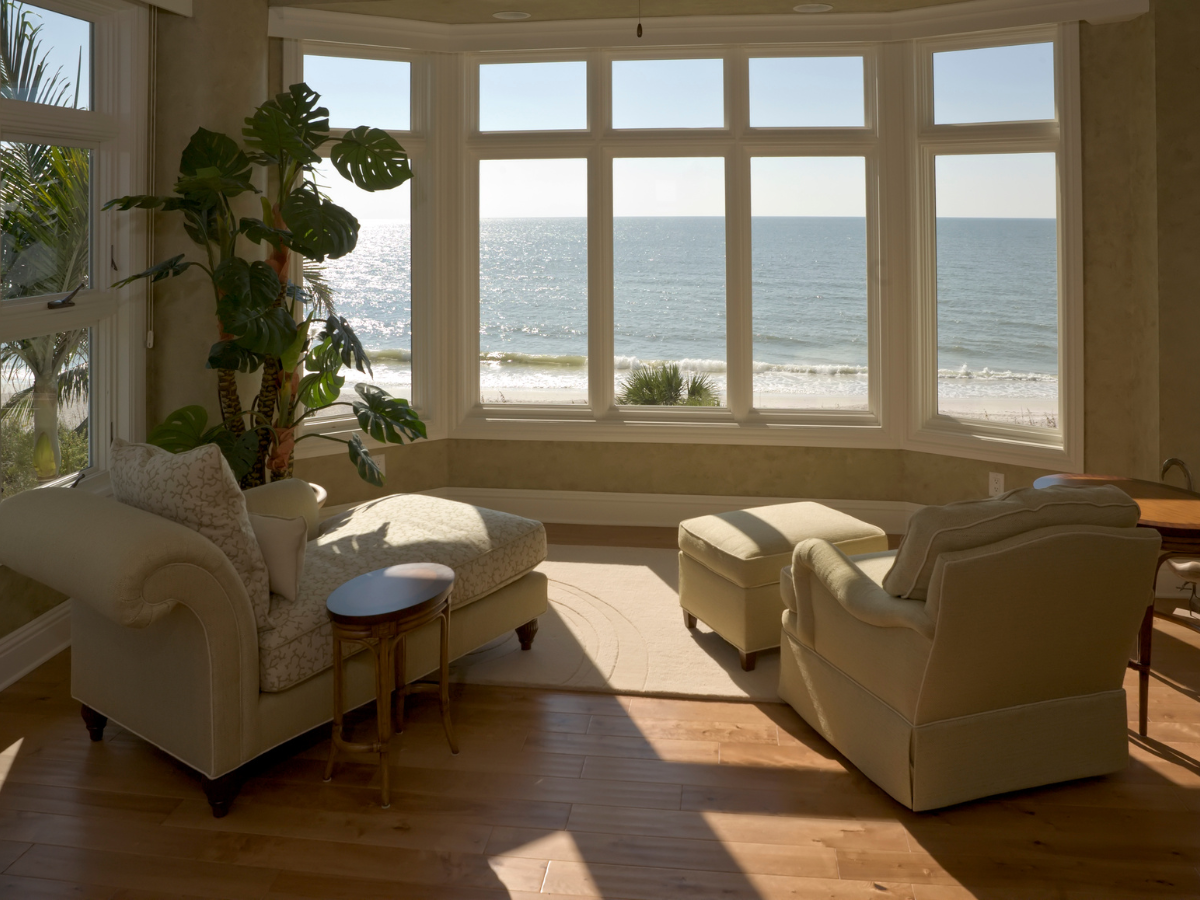
Wood-look tiles and vinyl planks have become increasingly popular in coastal flooring design because they offer the appearance of natural hardwood while providing greater durability in beachside environments.
Many homeowners want the warm, relaxed look of wood floors but need materials that can better withstand moisture, sand, humidity, and heavy foot traffic.
These flooring options are designed to replicate natural wood grain patterns, textures, and color variations with impressive realism. Modern manufacturing techniques allow both tile and vinyl products to mimic everything from weathered driftwood to light oak and coastal pine finishes.
This gives homeowners the opportunity to achieve a beach-inspired aesthetic without many of the maintenance concerns associated with traditional hardwood flooring.
Another reason these materials work so well in coastal interiors is their versatility. They can complement a wide range of design styles, including modern coastal, rustic beach cottage, contemporary waterfront, and minimalist interiors.
Their neutral tones and natural textures help create the bright, open atmosphere that many beach homes aim to achieve. For homeowners balancing style and practicality, wood-look products provide a reliable coastal flooring solution that performs well in demanding conditions while still maintaining a natural appearance.
How Do Wood-Look Tiles Perform In Coastal Environments?
Wood-look tile flooring is especially well-suited for coastal homes because of its exceptional water resistance and long-term durability. Porcelain and ceramic tiles are highly resistant to moisture, making them ideal for beach properties where humidity levels can fluctuate throughout the year.
Unlike traditional hardwood, tile does not warp, swell, or absorb moisture when exposed to damp conditions. This makes it a strong option for kitchens, bathrooms, entryways, and open-concept living spaces where sand and water are frequently tracked indoors.
Wood-look tile also performs well in homes with large windows and direct sunlight. Its surface resists fading and discoloration, helping maintain a consistent appearance over time. Many homeowners appreciate that tile requires relatively little maintenance beyond routine sweeping and mopping.
In addition to durability, wood-look tile offers flexibility in design. Larger plank-style tiles can create the visual effect of hardwood flooring while still delivering the performance advantages of porcelain or ceramic.
Matte finishes and lightly textured surfaces are especially popular in coastal flooring because they contribute to a more natural, relaxed appearance.
What Makes Vinyl Plank Flooring A Practical Coastal Flooring Option?
Luxury vinyl plank flooring has become one of the most commonly used materials in coastal homes because it combines comfort, affordability, and water resistance. Many modern vinyl products are fully waterproof, making them highly practical for homes located near beaches, pools, or humid coastal climates.
Vinyl plank flooring is also softer and warmer underfoot compared to tile, which can make living spaces feel more comfortable and inviting. This is particularly appealing in family homes or vacation properties where comfort is a priority.
Another advantage is resilience. Coastal flooring often needs to handle sand, pets, furniture movement, and heavy foot traffic. Vinyl planks are designed with protective wear layers that help resist scratches, dents, and everyday wear.
Many products also include textured finishes that improve slip resistance, an important feature in homes where wet feet are common.
Installation flexibility is another reason homeowners gravitate toward vinyl plank flooring. Many systems use click-lock installation methods, which can reduce labor time and simplify renovations.
How Do These Materials Compare To Traditional Hardwood?
While hardwood flooring remains a classic choice, wood-look tiles and vinyl planks offer several advantages for coastal living. Traditional hardwood can be sensitive to humidity and moisture exposure, especially in beach environments where salt air and damp conditions are unavoidable.
Wood-look tile offers the strongest moisture resistance and durability, though it can feel firmer underfoot. Vinyl plank flooring provides a softer feel and often costs less to install, making it attractive for larger homes or renovation projects.
Both materials also require less ongoing maintenance than hardwood. Homeowners do not need to worry about refinishing, excessive moisture damage, or surface wear to the same extent.
For many homeowners, the decision comes down to balancing appearance, comfort, and long-term performance. Wood-look tiles and vinyl planks allow coastal flooring designs to maintain the warmth and style of natural wood while offering the durability needed for everyday beach living.
Why Are Eco-Friendly Materials Becoming More Popular In Coastal Homes?
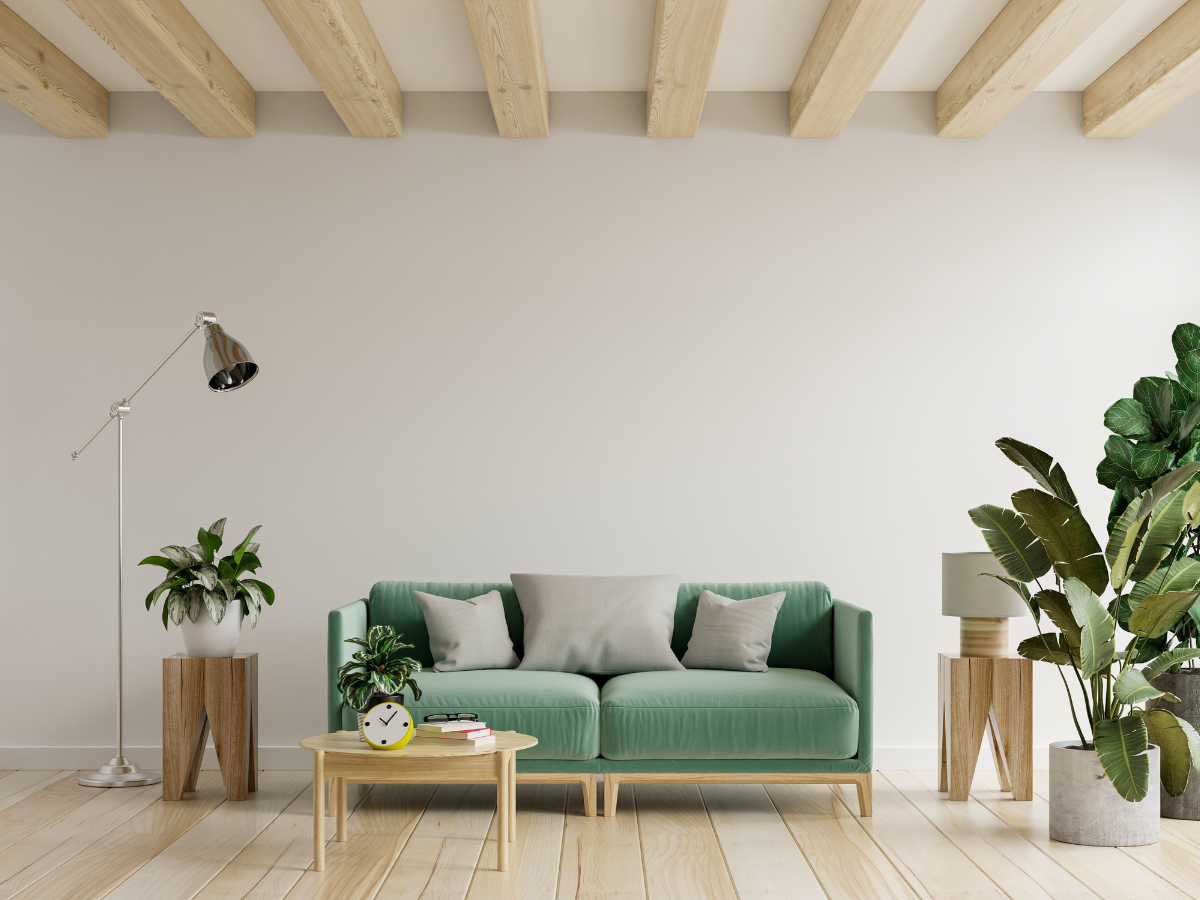
Sustainability has become an important consideration in modern home design, and that shift is influencing the growing demand for eco-friendly coastal flooring options.
Many homeowners want flooring materials that not only look beautiful in a beach-inspired space but also reduce environmental impact and support long-term durability.
Coastal homes often emphasize a connection to nature, so it makes sense that environmentally responsible materials fit naturally within this design style.
Flooring made from renewable or reclaimed resources helps homeowners create interiors that feel organic and relaxed while supporting more sustainable building practices.
Another reason eco-friendly flooring continues to gain popularity is longevity. Many sustainable materials are designed to withstand heavy use, making them practical for active beach households. Durable flooring reduces the need for frequent replacement, which can help minimize waste over time.
Modern manufacturing has also improved the quality and appearance of sustainable flooring products. Homeowners no longer have to compromise on design in order to choose environmentally conscious materials.
Many eco-friendly coastal flooring options now offer the same visual warmth and versatility as traditional hardwood products.
How Does Bamboo Flooring Work In Coastal Design?
Bamboo flooring has become one of the most recognized eco-friendly alternatives for coastal flooring because of its renewable nature and clean, modern appearance. Bamboo grows much faster than traditional hardwood trees, making it a more sustainable resource for flooring production.
Visually, bamboo works especially well in coastal interiors because of its light color palette and natural texture. Its clean grain patterns and soft tones help create the airy, open atmosphere commonly associated with beach homes.
Bamboo flooring pairs easily with neutral walls, woven accents, natural fabrics, and coastal-inspired décor. Durability is another reason many homeowners consider bamboo for beach properties.
Strand-woven bamboo products, in particular, are known for their strength and resistance to everyday wear. This makes them suitable for high-traffic areas such as kitchens, living rooms, and entryways.
However, moisture management still matters in coastal environments. While bamboo performs well in many conditions, homeowners should select high-quality products designed for humid climates and maintain proper indoor humidity levels to help preserve the flooring over time.
What Makes Reclaimed Wood A Unique Coastal Flooring Choice?
Reclaimed wood offers a completely different approach to coastal flooring by bringing character, texture, and history into a home. Instead of using newly harvested timber, reclaimed wood is sourced from older structures such as barns, factories, warehouses, and historic buildings.
One of the biggest advantages of reclaimed wood is its distinctive appearance. Weathered textures, natural imperfections, nail marks, and aged grain patterns create a lived-in look that works beautifully in coastal interiors.
Many homeowners appreciate that reclaimed wood feels authentic rather than overly polished or manufactured. Because reclaimed wood already carries signs of wear, it often handles the casual nature of beach living especially well.
Minor scratches and dents tend to blend naturally into the flooring’s character rather than standing out. Sustainability is another major benefit.
Repurposing existing wood reduces demand for newly harvested materials while keeping usable resources out of landfills. For environmentally conscious homeowners, reclaimed wood provides an opportunity to create a visually rich space with less environmental impact.
How Do Eco-Friendly Flooring Options Balance Sustainability And Durability?
A common misconception is that sustainable materials sacrifice performance, but many modern eco-friendly flooring products are designed to be both durable and long-lasting. In coastal homes, where flooring must handle humidity, sand, and heavy foot traffic, durability remains just as important as sustainability.
Many eco-friendly coastal flooring options are manufactured using protective finishes and advanced construction methods that improve resistance to moisture and wear.
Engineered bamboo, reclaimed hardwood, and sustainably sourced wood alternatives can all provide dependable performance when properly maintained.
Homeowners should still consider the specific conditions of their property when selecting materials. Coastal environments can be demanding, so choosing flooring suited to humidity and temperature fluctuations is essential for long-term success.
In addition to environmental benefits, sustainable flooring often contributes to healthier indoor spaces. Many modern eco-friendly products are manufactured with lower levels of volatile organic compounds, which can help improve indoor air quality.
As coastal flooring trends continue evolving, more homeowners are looking for materials that combine style, durability, and environmental responsibility. Eco-friendly flooring options allow beach homes to maintain a natural, relaxed appearance while supporting more sustainable living choices.
How Do Whitewashed Wood Floors Create A Coastal Atmosphere?
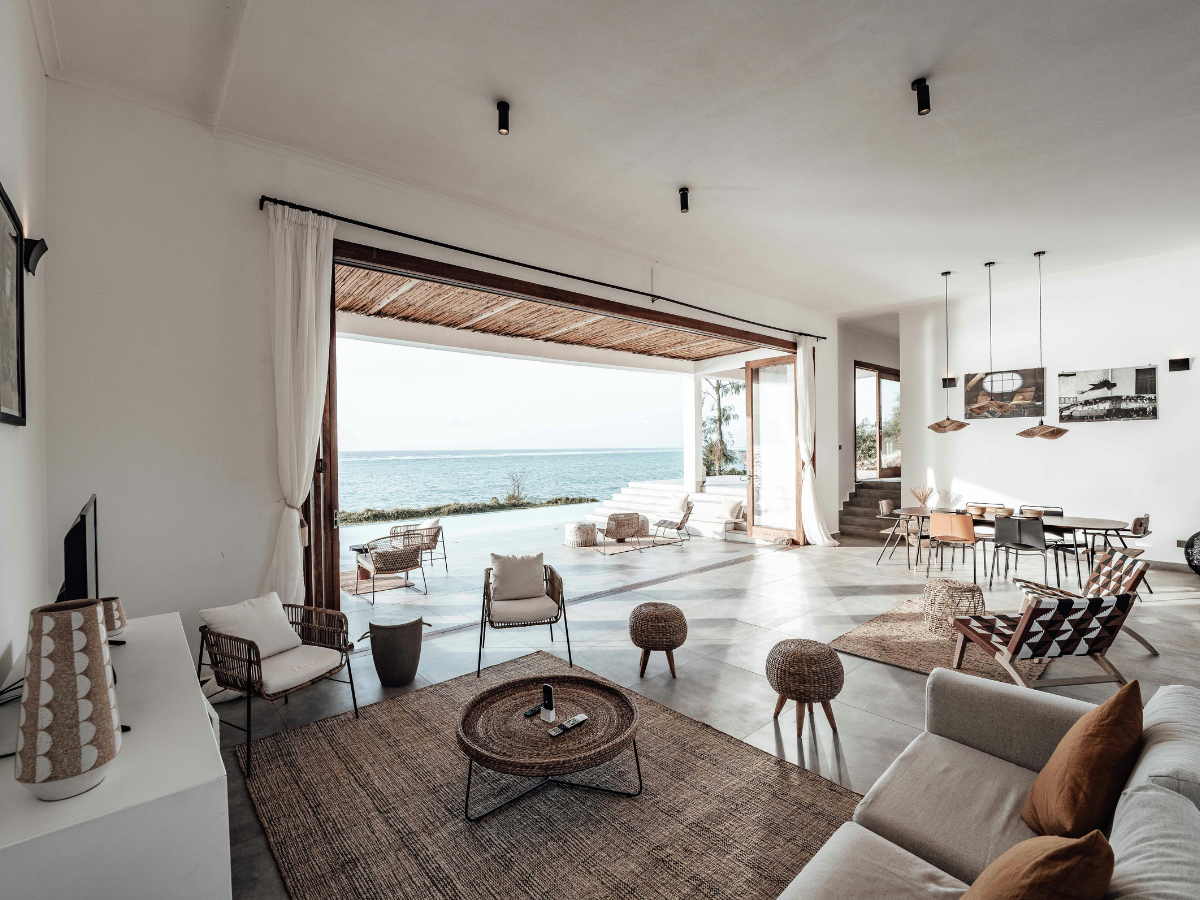
Whitewashed wood floors have become a defining feature in many beach homes because they naturally create the bright, relaxed feeling associated with coastal living. Their soft, faded appearance reflects sunlight throughout a room, helping interiors feel open, calm, and connected to the surrounding environment.
In coastal flooring design, light plays a major role. Beach homes often feature large windows, airy layouts, and neutral color palettes, and whitewashed finishes help maximize that effect. By reflecting natural light rather than absorbing it, these floors can make spaces feel larger and more welcoming.
Whitewashed wood also captures the weathered character many homeowners want in coastal interiors. The subtle washed finish resembles driftwood softened by salt air and sun exposure, giving the flooring a casual, lived-in appearance without looking overly rustic.
This balance works especially well in homes aiming for a clean yet comfortable coastal aesthetic. Another reason whitewashed flooring remains popular is its versatility. It blends easily with a variety of beach-inspired styles, from modern coastal interiors to traditional seaside cottages.
Whether paired with linen fabrics, woven textures, or minimalist décor, whitewashed floors create a neutral foundation that supports the overall design without overwhelming it.
What Are The Benefits Of Whitewashed Finishes In Coastal Flooring?
Whitewashed finishes offer more than just visual appeal. They also provide several practical advantages that make them especially suitable for coastal flooring applications.
One of the biggest benefits is brightness. Coastal homes often aim to create an airy atmosphere, and lighter flooring helps distribute natural light more evenly throughout the space. This can make smaller rooms feel more spacious while giving larger rooms a softer, more relaxed appearance.
Whitewashed floors are also effective at concealing everyday wear. Sand, dust, small scratches, and footprints tend to be less visible on lighter finishes compared to dark wood flooring. In busy beach homes where outdoor traffic is constant, this can make ongoing maintenance feel much more manageable.
Another advantage is design flexibility. Whitewashed coastal flooring pairs easily with both cool and warm color palettes, allowing homeowners to refresh furniture and décor over time without needing to replace the flooring itself.
Soft gray undertones, sandy beige accents, and muted coastal blues all work naturally with whitewashed wood finishes. Additionally, many homeowners appreciate the timeless quality of whitewashed flooring.
While some trends come and go quickly, lighter coastal-inspired finishes tend to maintain their appeal because they create a clean, natural look that does not feel overly stylized.
How Should Whitewashed And Light Wood Floors Be Maintained In Coastal Homes?
Proper maintenance is important for preserving the appearance of whitewashed and light wood flooring, especially in coastal environments where moisture, sand, and salt air are common concerns.
Routine cleaning is one of the most important steps. Sand and debris can gradually wear down floor finishes over time, so regular sweeping or vacuuming helps protect the surface. Many homeowners also use entry rugs near doors to reduce the amount of sand tracked indoors from the beach.
When cleaning coastal flooring, gentle products are usually the safest choice. Harsh chemicals or excessive moisture can damage protective finishes and affect the color of whitewashed wood surfaces. Damp mopping with manufacturer-approved cleaners is typically recommended instead of heavy water use.
Humidity control is another important factor in coastal homes. Even engineered wood flooring can react to excessive moisture in the air, so maintaining stable indoor humidity levels can help reduce expansion and contraction over time.
Protective sealants can also help extend the life of whitewashed flooring. A quality finish adds resistance against moisture, stains, and daily wear while preserving the soft, natural appearance homeowners want from coastal flooring.
Why Do Whitewashed Floors Continue To Trend In Coastal Design?
Whitewashed flooring continues to remain popular because it combines the relaxed beauty of coastal design with practical everyday performance. Homeowners are increasingly looking for interiors that feel calm, open, and connected to nature, and whitewashed wood supports all of those goals.
Unlike darker flooring that can make rooms feel more formal or enclosed, whitewashed coastal flooring creates a lighter visual flow that complements beachside architecture and outdoor living spaces. Its ability to brighten interiors, hide wear, and adapt to changing décor styles makes it both stylish and functional.
As coastal home design continues evolving toward cleaner, more natural aesthetics, whitewashed and light wood flooring remains one of the most versatile ways to achieve a timeless beach-inspired look.
Maintaining Coastal Flooring In Beach House Environments
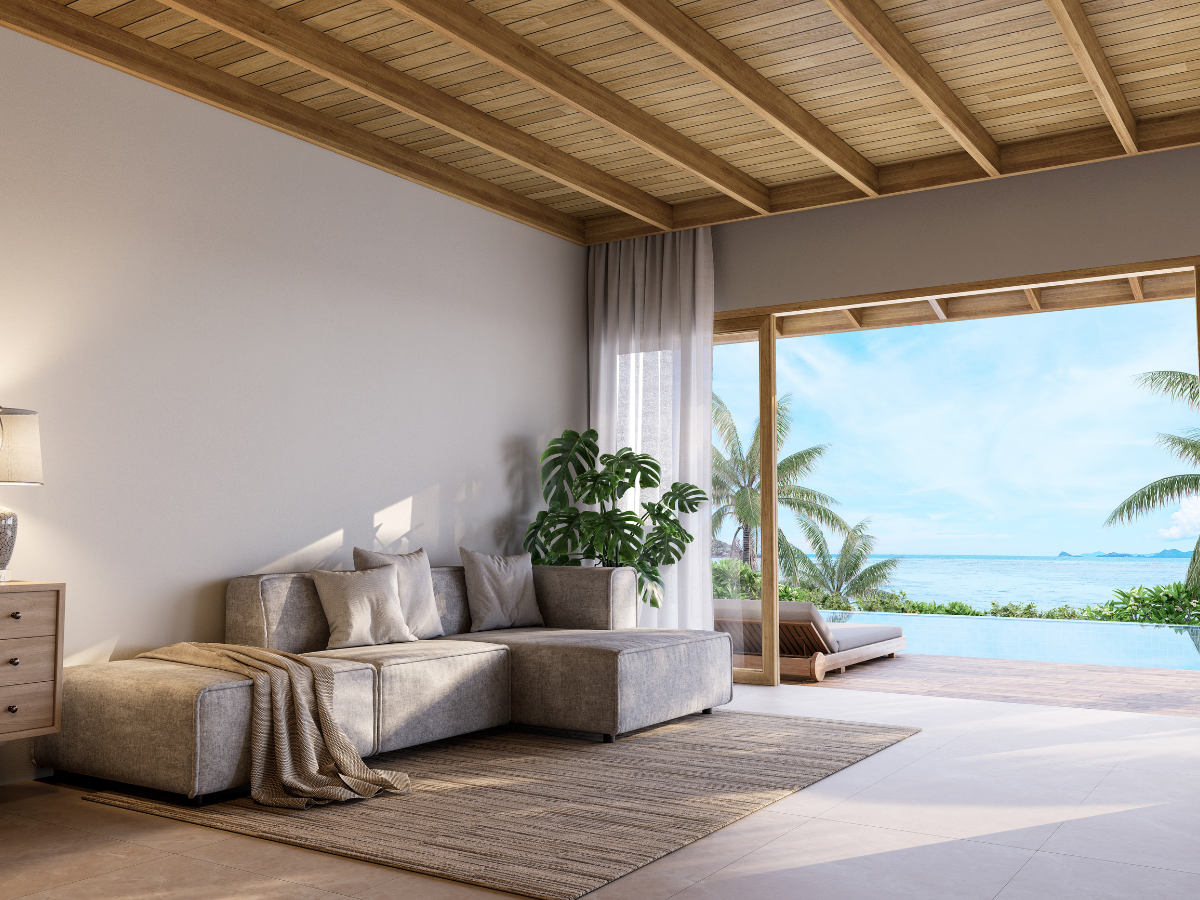
Beach houses face unique conditions that can quickly wear down flooring if proper maintenance is ignored. Sand, moisture, salt air, and humidity all place additional stress on surfaces, which is why consistent upkeep is essential for preserving coastal flooring over time.
One of the simplest but most effective maintenance habits is regular cleaning. Sand particles may seem harmless, but they can act like abrasives that gradually scratch and dull flooring surfaces.
Sweeping or vacuuming frequently helps prevent long-term wear, especially in high-traffic areas near entrances and outdoor spaces.
Moisture management is equally important in coastal environments. High humidity levels can affect many flooring materials, particularly wood-based products. Using air conditioning, ceiling fans, or dehumidifiers can help stabilize indoor humidity and reduce the risk of expansion, warping, or mold growth.
Entry mats and area rugs also play a major role in protecting coastal flooring. Placing mats near exterior doors helps capture sand, water, and debris before they spread throughout the home. This simple step can significantly reduce daily wear and make cleaning easier.
Routine inspections are another smart practice. Small issues like loose planks, worn finishes, or moisture spots are much easier to address early, before they develop into more serious flooring damage.
How Can Homeowners Protect Floors From Salt Air And Moisture?
Salt air is one of the biggest challenges for coastal homes because it can gradually break down flooring finishes and contribute to moisture-related damage. Protecting coastal flooring from these conditions requires both preventative care and the right protective materials.
Sealants are often one of the most effective defenses against moisture exposure. Applying a high-quality protective finish helps create a barrier that limits water penetration and reduces surface wear. This is especially important for hardwood and engineered wood flooring used in beach homes.
Humidity control also remains essential year-round. Even durable flooring materials can experience stress if indoor moisture levels fluctuate constantly. Maintaining stable humidity can help reduce expansion and contraction, which improves the long-term stability of the flooring.
Homeowners living in especially humid coastal climates may also benefit from moisture barrier systems installed beneath the flooring.
Advanced moisture-vapor barrier coatings are designed to reduce water-related flooring failures by limiting moisture transfer from the subfloor upward. These systems can improve durability while helping prevent issues like bubbling, cupping, and adhesive breakdown.
Ventilation also contributes to floor protection. Proper airflow throughout the home helps reduce trapped humidity and supports a healthier indoor environment overall.
Which Cleaning Methods Work Best For Coastal Flooring?
Cleaning coastal flooring requires a more careful approach than many homeowners realize. Harsh cleaning products and excessive moisture can damage finishes, particularly on hardwood or engineered wood surfaces.
For most coastal flooring materials, gentle pH-balanced cleaners are the safest option. These products clean effectively without stripping protective finishes or causing discoloration over time. Strong chemicals and abrasive scrubbing tools should generally be avoided, especially on wood and luxury vinyl surfaces.
Microfiber mops are especially useful in beach homes because they capture fine sand and dust particles without scratching the floor. They also require less water than traditional mops, which helps minimize unnecessary moisture exposure.
Spill management is another important part of maintenance. Water, salt residue, and spills should be cleaned promptly to prevent staining or long-term surface damage. Even water-resistant flooring benefits from quick cleanup habits, especially in humid environments.
Different flooring materials may also require slightly different care routines. Tile flooring can generally tolerate more moisture during cleaning, while hardwood and bamboo flooring often require more controlled methods and less water exposure.
How Does Regular Maintenance Extend The Life Of Coastal Flooring?
Consistent maintenance not only preserves appearance but also helps homeowners avoid costly repairs and premature flooring replacement. Coastal homes experience heavier environmental stress than inland properties, so flooring materials benefit greatly from ongoing care.
Protective maintenance allows coastal flooring to retain its original texture, color, and finish longer, even in high-traffic areas. It also reduces the risk of structural damage caused by prolonged moisture exposure or trapped debris.
Another benefit of regular upkeep is improved indoor comfort. Clean, well-maintained flooring contributes to a fresher living environment while helping beach homes maintain the relaxed, polished atmosphere homeowners want.
Whether the flooring is hardwood, vinyl plank, tile, or engineered wood, the combination of routine cleaning, moisture management, and preventative care can dramatically improve long-term performance.
In coastal homes where environmental exposure is unavoidable, proactive maintenance becomes one of the most important factors in preserving both beauty and durability.
Conclusion
Creating the perfect coastal-inspired home starts from the ground up, and the right flooring can instantly bring a light, airy, and relaxed beach house feel into any space.
From natural hardwood tones to durable luxury vinyl options that handle moisture and everyday wear, choosing the right materials helps balance style, comfort, and practicality.
Diaz Hardwood Floors specializes in helping homeowners find beautiful flooring solutions that match their vision while delivering lasting quality and craftsmanship.
Whether you’re updating a single room or transforming your entire home, their experienced team can help bring your coastal design ideas to life. Call 404-791-0444 or get a free quote through our site form today.