Accurate measurements are the foundation of any successful flooring project. Ordering too little material can delay installation, while overestimating can increase costs and leave you with unnecessary waste.
Before choosing materials or requesting quotes, it’s important to understand how to measure your space correctly. A room measurement guide for better flooring estimates helps homeowners calculate square footage more accurately, even in rooms with unusual layouts or multiple sections.
Knowing how to measure length, width, doorways, closets, and transitions can make planning much smoother from the start. With the right measurements in hand, you can budget more confidently, compare flooring options more effectively, and avoid common estimating mistakes during your project.
A Room Measurement Guide for Calculating Square Footage
Tools and Best Practices for Accurate Room Measurements
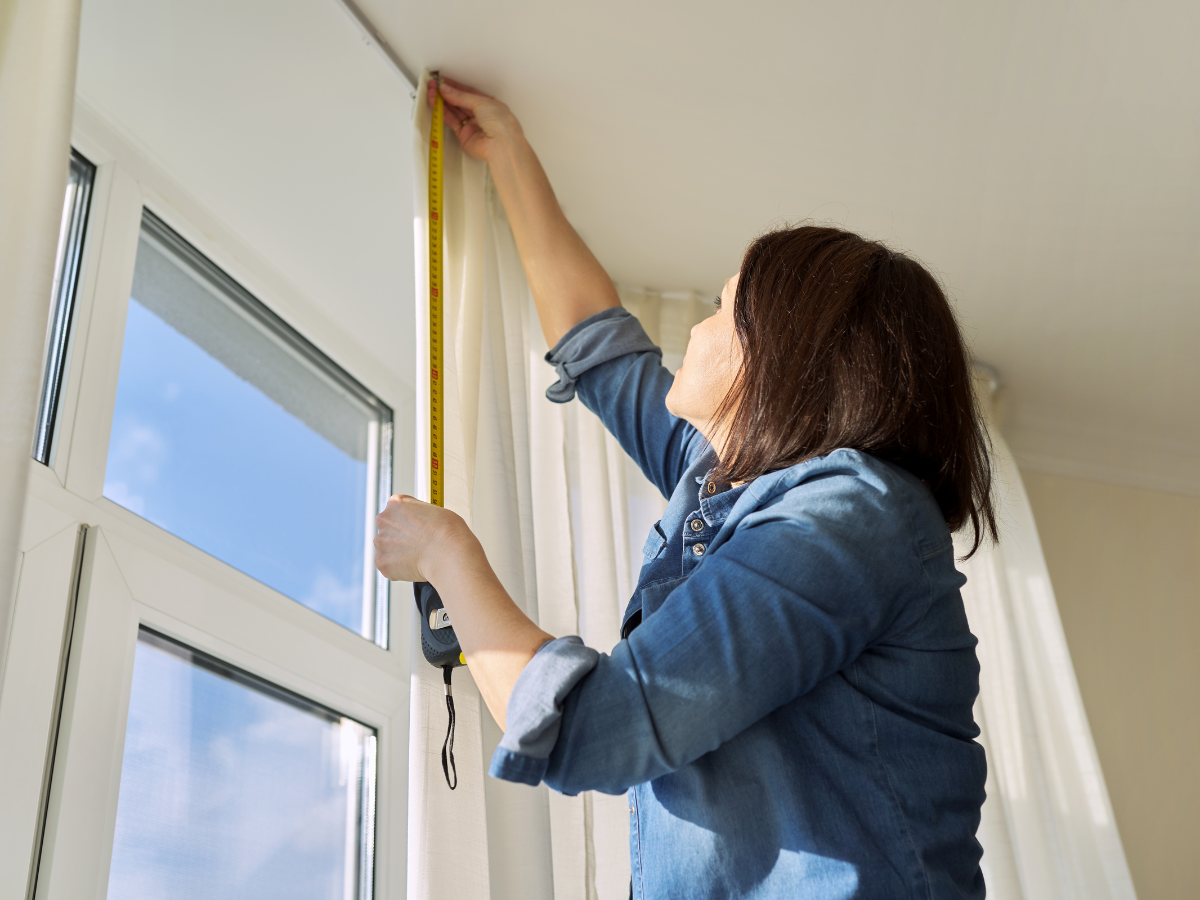
Following a reliable measurement guide starts with having the right tools available before you begin. Accurate room measurements are essential when planning new flooring because even small errors can lead to material shortages, installation delays, or unnecessary costs.
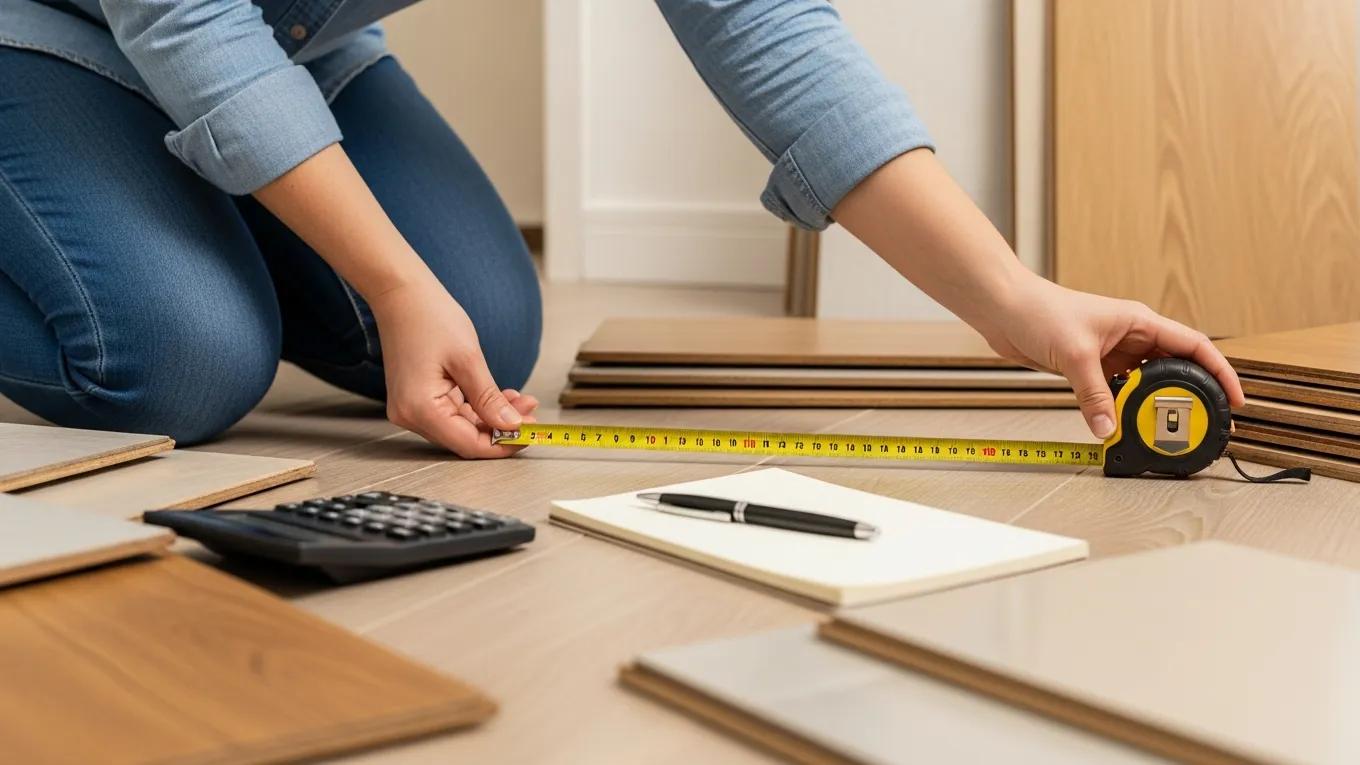
One of the most important tools is a quality tape measure. A durable tape measure allows you to accurately capture the length and width of the room, along with smaller details like closets, doorways, and alcoves that may affect your flooring calculations.
A calculator is also helpful during the process, especially when converting measurements into square footage. While many homeowners use smartphone calculators, having one readily available helps speed up calculations and reduce mistakes.
Keeping a notepad and pen nearby is equally important. Writing measurements down as you go prevents confusion later and makes it easier to organize dimensions for irregularly shaped rooms. Some homeowners also choose to sketch a simple layout of the space so measurements can be labeled directly on the drawing.
For certain flooring materials, environmental conditions matter as much as room size. A hygrometer can help measure humidity levels inside the home, which is particularly important for hardwood flooring that may expand or contract based on moisture levels.
Monitoring humidity before installation can help prevent future flooring issues. Another useful tool is a framing square or carpenter’s square.
This helps confirm whether corners are properly aligned at ninety-degree angles. In older homes, walls are not always perfectly square, and identifying those inconsistencies early can help avoid installation complications later.
Using a complete measurement guide and the proper tools creates a smoother planning process and improves overall accuracy from the beginning.
Best Measurement Practices
Even with the right equipment, accurate measurements depend heavily on technique and consistency. Taking a careful, methodical approach can help homeowners avoid costly ordering mistakes and installation problems.
One of the simplest but most important habits is measuring every section twice. Double-checking dimensions helps catch small errors before they affect flooring calculations. This is especially important in rooms with unusual layouts, angled walls, or multiple connecting spaces.
When measuring larger rooms, keeping the tape measure straight is essential. A sagging or curved tape can easily throw off dimensions by several inches. Using a straight edge or having another person assist with longer measurements can improve precision and make the process easier.
A good measurement guide also accounts for architectural details that may otherwise be overlooked. Closets, bay windows, built-in shelving areas, fireplaces, and entryways all affect total flooring requirements. Measuring only the main section of the room can result in underestimating the amount of material needed.
Furniture placement should also be considered during the planning phase. While flooring typically extends beneath furniture, large permanent fixtures or cabinets may impact installation plans depending on the flooring type. Understanding how the room will function after installation can help homeowners make more practical layout decisions.
Another helpful practice is breaking larger or irregularly shaped rooms into smaller sections. Instead of trying to measure a complex space all at once, divide the room into rectangles or squares and calculate each section individually.
This approach simplifies calculations and reduces confusion when determining total square footage. It is also important to leave room for material waste.
Most flooring projects require extra material to account for cuts, pattern matching, installation adjustments, and future repairs. A reliable measurement guide usually recommends ordering additional flooring beyond the exact square footage of the room to prevent shortages during installation.
Lighting conditions can also affect accuracy more than many people realize. Measuring during daylight hours or in well-lit spaces helps homeowners clearly identify corners, transitions, and smaller architectural details that may otherwise be missed.
Finally, staying organized throughout the process makes a significant difference. Clearly labeling measurements, keeping calculations together, and reviewing all dimensions before ordering materials can help prevent unnecessary stress later in the project.
Accurate measurements are the foundation of a successful flooring installation. By combining the right tools with careful measuring techniques, homeowners can approach their flooring project with greater confidence and avoid many of the common mistakes that lead to wasted materials or installation delays.
Step-by-Step Room Measurement Techniques
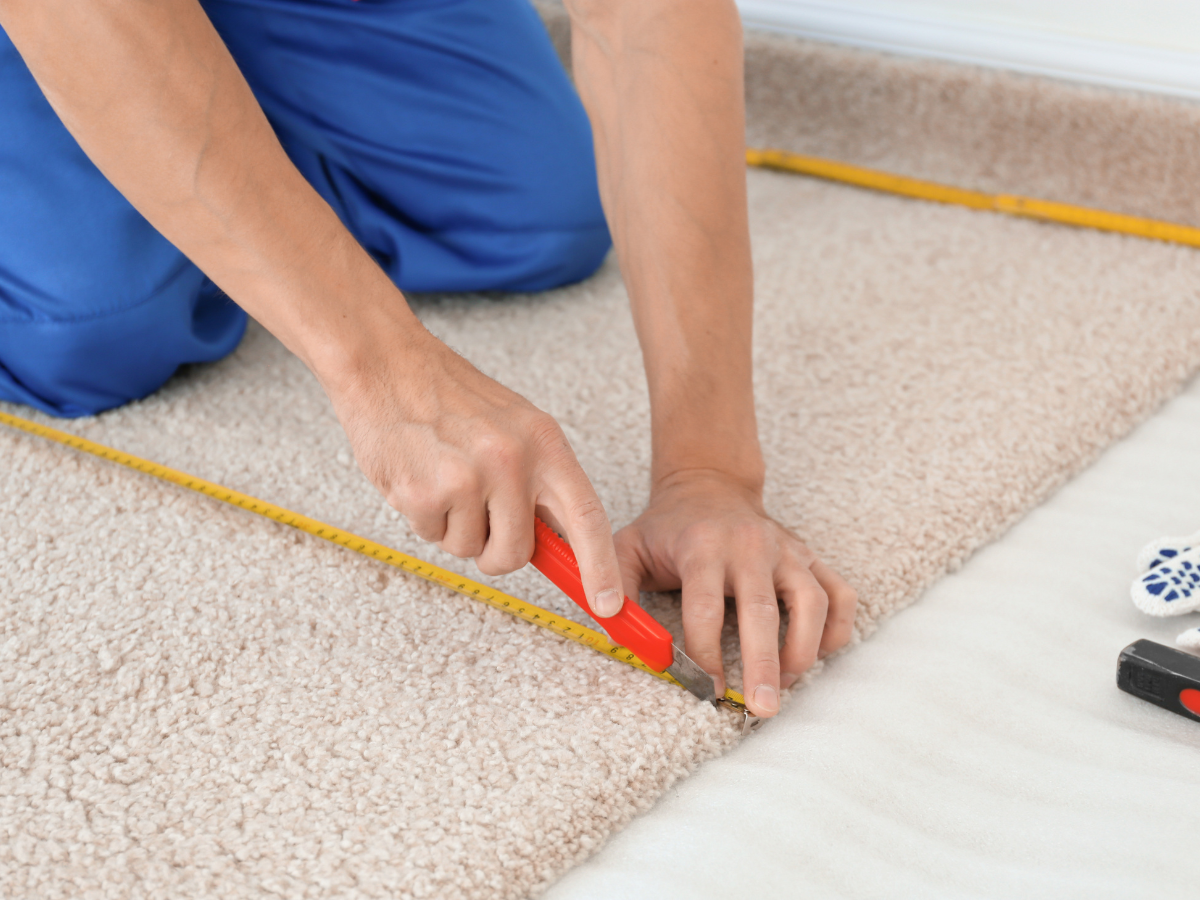
A reliable measurement guide is one of the most important parts of planning a flooring installation. Accurate room measurements help prevent material shortages, reduce waste, and make the installation process much smoother from start to finish.
While measuring a room may seem simple at first, even small mistakes can affect how much flooring you order. Taking the time to measure carefully and follow a consistent process can save both time and money later in the project.
How Do You Measure Your Room Step-By-Step For Flooring Installation?
The first step in any flooring project is measuring the main dimensions of the room. Start by clearing the area as much as possible so walls, corners, and transitions are easy to access.
Using a tape measure, determine the full length of the room from one wall to the opposite side. Then measure the width of the room in the same way. For the most accurate results, keep the tape measure straight and level while measuring.
Once both measurements are recorded, multiply the length by the width to calculate the total square footage. This basic formula works well for square and rectangular rooms and serves as the foundation of any measurement guide for flooring projects.
For example, a room measuring 12 feet by 15 feet would equal 180 square feet of flooring space.
After calculating the main area, it is important to measure any additional sections connected to the room. Closets, entryways, alcoves, and small nooks all contribute to the total flooring requirement and should not be overlooked.
How To Handle Irregular Room Shapes
Not every room is perfectly square, and irregular layouts require a slightly different approach. Rooms with angled walls, bay windows, or recessed sections should be divided into smaller shapes that are easier to measure individually.
A practical measurement guide often recommends breaking complicated spaces into rectangles or squares first. Measure each section separately, calculate the square footage for each area, and then combine the totals together.
This method helps simplify the process and reduces the risk of overlooking smaller sections that still require flooring material.
For L-shaped rooms, many homeowners find it easier to sketch a quick floor plan on paper and label each measurement directly on the drawing. Visual organization can make calculations easier to review later when ordering materials.
What Are The Basic Steps To Measure Room Length And Width Accurately?
Consistency is key when measuring room dimensions. Start every measurement from the same wall edge and avoid estimating around obstacles whenever possible.
A good measurement guide also recommends measuring each wall more than once to confirm accuracy. Small discrepancies can happen if the tape measure bends, shifts, or sags during longer measurements.
When measuring width and length, pay attention to features like baseboards, built-in cabinets, fireplaces, or door transitions that may slightly affect usable flooring space. While some fixtures remain in place during installation, others may require flooring to extend underneath them.
It is also helpful to record measurements immediately after taking them. Waiting until the end of the process increases the chance of forgetting numbers or mixing up dimensions between rooms.
Why Extra Material Matters
Once total square footage has been calculated, most flooring professionals recommend adding extra material to account for waste. Flooring pieces often need to be cut around corners, walls, vents, and doorways, which naturally creates leftover scraps during installation.
A standard measurement guide typically suggests adding between five and ten percent additional material, depending on the complexity of the room layout and the flooring pattern being used.
Rooms with diagonal flooring layouts, irregular shapes, or detailed patterns may require more material because additional cuts are necessary during installation.
Planning for waste ahead of time helps avoid situations where homeowners run short on flooring midway through the project. Ordering additional material later may also create issues if dye lots or material styles have changed.
Final Checks Before Ordering Flooring
Before purchasing materials, take time to review every measurement carefully. Double-check room dimensions, recalculate square footage, and confirm that all additional areas have been included.
It is also important to think about how the flooring will flow between rooms. Transitions, layout direction, and plank orientation can influence how much material is ultimately needed.
A thorough measurement guide does more than calculate square footage. It helps homeowners approach flooring projects with better planning, fewer surprises, and greater confidence throughout the installation process.
Measuring Irregular or Complex Room Shapes
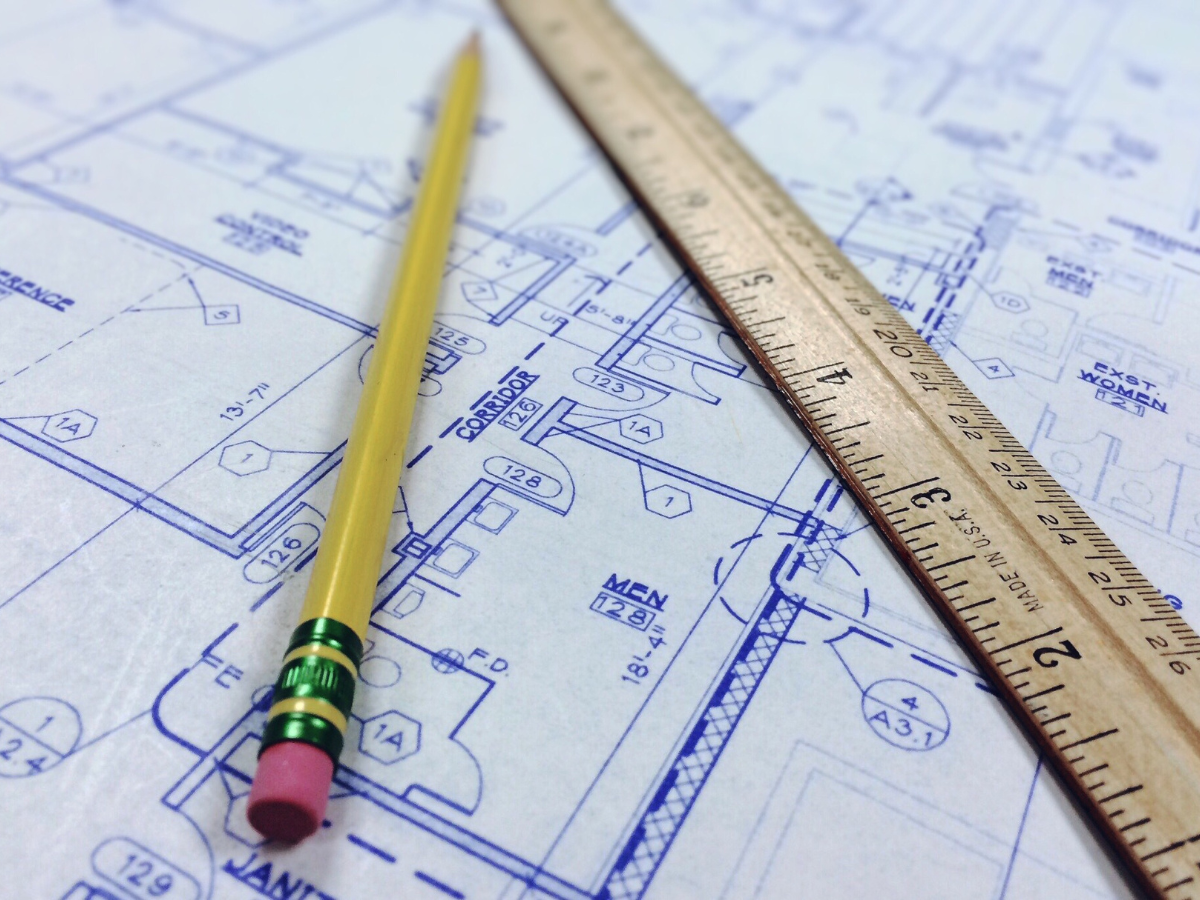
Following a reliable measurement guide becomes even more important when dealing with irregular or complex room layouts.
Unlike standard square or rectangular spaces, rooms with angled walls, bay windows, curved sections, or built-in features require a more detailed approach to ensure accurate flooring calculations.
While these layouts may seem difficult to measure at first, the process becomes much more manageable when the room is broken down into smaller sections.
A careful, organized method helps homeowners avoid ordering too little flooring or miscalculating square footage during installation planning.
How To Measure Irregular Or Complex Room Shapes For Flooring
The most effective way to measure an irregular room is to divide it into smaller geometric shapes. Instead of trying to calculate the entire space at once, separate the room into rectangles, squares, or triangles that can be measured individually.
For example, an L-shaped room can usually be divided into two rectangles. A room with a bay window may require one main rectangular measurement plus a smaller section for the window area. This approach simplifies calculations and makes the overall process much easier to follow.
A good measurement guide recommends sketching the room layout on paper before taking measurements. Even a basic drawing can help organize dimensions and prevent sections from being overlooked. Label each wall and area clearly as measurements are recorded.
Once the room has been divided into sections, measure the length and width of each individual area separately. Record all measurements immediately to avoid confusion later.
Measuring Angled Walls And Unusual Features
Some rooms contain architectural details that require additional attention. Angled walls, curved spaces, fireplaces, stair landings, and built-in shelving can all affect total flooring requirements.
For angled sections, measuring the widest and longest points usually provides the best starting point. Triangular areas can often be calculated by multiplying the base and height together and then dividing by two.
Curved walls are more challenging because they do not follow standard measurement patterns. In these cases, homeowners often approximate the curve by dividing it into smaller straight sections. While this method may slightly overestimate material needs, it helps reduce the risk of running short during installation.
Doorways, closets, and transition areas should also be included in calculations whenever flooring will continue into those spaces. A complete measurement guide accounts for every area that requires material, even if the sections appear small.
Why Accurate Corner Measurements Matter
Corners and wall alignment play a major role in flooring installation, especially with materials like hardwood, laminate, or tile that depend on straight layout lines.
Using a framing square or carpenter’s square helps confirm whether corners are properly aligned at ninety degrees. Older homes often contain walls that are slightly uneven or out of square, which can affect how flooring pieces fit together during installation.
Identifying these irregularities early allows homeowners or installers to make layout adjustments before cutting materials. This reduces waste and helps create a cleaner finished appearance.
Calculating Total Square Footage
After measuring each section individually, calculate the square footage for every area separately. Multiply the length by the width for rectangular spaces. Once all sections have been calculated, add the totals together to determine the full square footage of the room.
This step-by-step process is one of the most important parts of any measurement guide because it helps prevent errors that commonly happen when estimating complex layouts visually.
Once the total square footage is known, additional flooring material should be added for waste. Most projects require an extra five to ten percent, depending on the flooring type and room complexity.
Rooms with multiple angles, detailed cuts, or patterned flooring designs often require more waste allowance because additional trimming is necessary during installation.
Common Mistakes To Avoid
One of the most common mistakes when measuring irregular rooms is skipping smaller sections because they appear insignificant. Alcoves, narrow hallways, and closet areas may seem minor individually, but together they can noticeably affect total material requirements.
Another issue is relying too heavily on rough estimates rather than exact measurements. Even experienced homeowners benefit from following a detailed measurement guide and verifying dimensions carefully before ordering flooring.
Double-checking all measurements, staying organized, and approaching the room section by section helps make even complicated layouts far easier to manage.
With careful planning and accurate calculations, homeowners can confidently prepare for flooring installation without unnecessary surprises later in the project.
How Do You Calculate Square Footage And Plan Flooring Layouts?
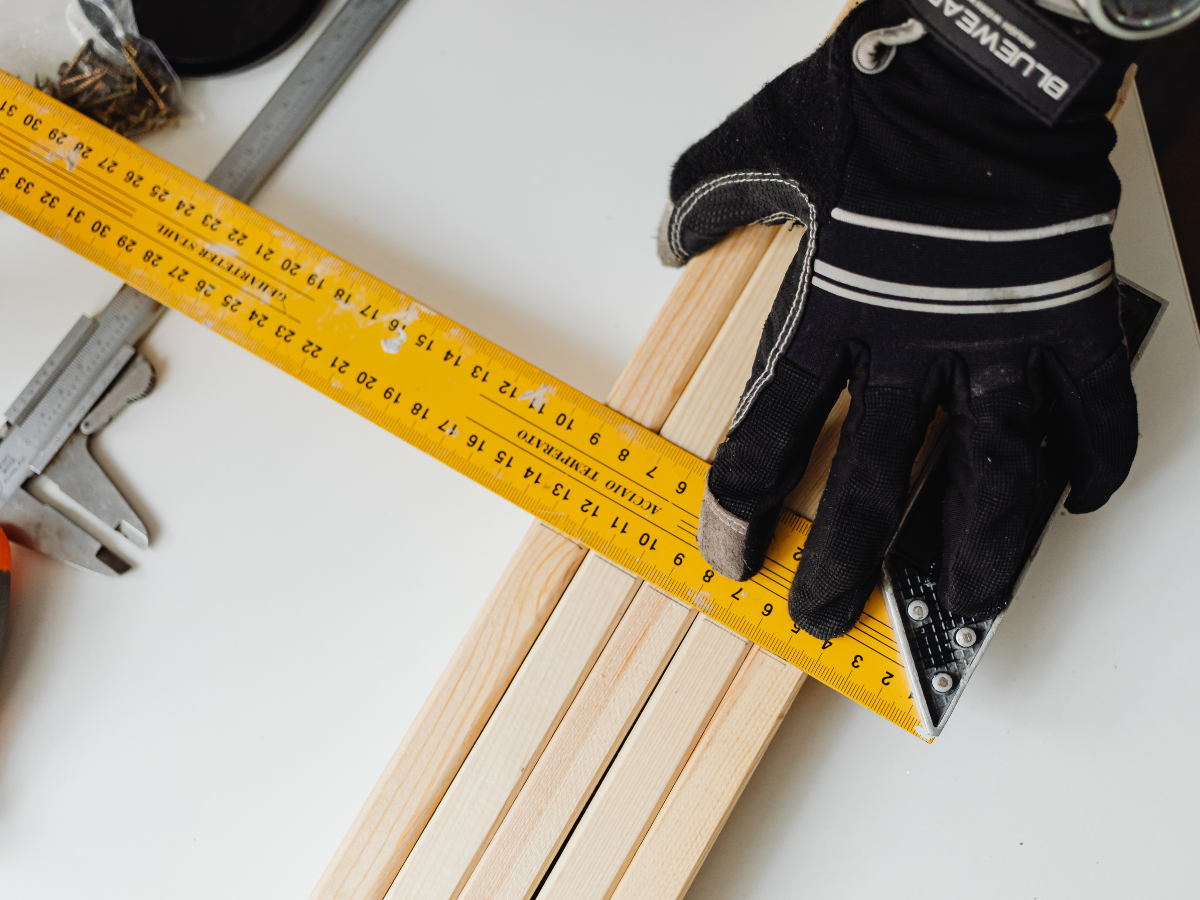
A successful flooring project starts with accurate calculations and thoughtful planning. Before ordering materials, homeowners need a clear understanding of the room’s dimensions, the total square footage required, and how the flooring will be installed throughout the space.
Following a reliable measurement guide helps reduce waste, avoid ordering mistakes, and create a more balanced final layout. Proper planning also makes installation smoother because potential issues can be identified before materials are cut or placed.
How To Calculate Square Footage From Room Measurements
The first step in any flooring project is measuring the room correctly. Begin by using a tape measure to determine the length and width of the space. Measure wall to wall at the longest and widest points, and record the dimensions immediately to avoid confusion later.
Once the measurements are collected, multiply the room’s length by its width to determine the square footage. For example, a room measuring 10 feet by 12 feet equals 120 square feet.
This basic formula works well for standard rectangular rooms, but more complex spaces may require additional calculations. If the room includes alcoves, closets, bay windows, or angled sections, each area should be measured separately and added to the overall total.
A detailed measurement guide often recommends sketching the room layout while recording dimensions. This makes it easier to organize calculations and confirm that every section of the room has been included.
For homes with multiple rooms receiving new flooring, calculate each room individually before combining the totals together. Keeping measurements separated by room also simplifies ordering and installation planning later.
Why Accurate Measurements Matter
Accurate calculations directly affect both project cost and installation quality. Ordering too little flooring can delay installation if additional material must be purchased later. Ordering too much creates unnecessary expense and leftover waste.
Even small measurement errors can become significant once flooring materials are installed across an entire room. A thorough measurement guide helps homeowners approach the process methodically and avoid relying on rough estimates.
It is also important to account for waste during calculations. Most flooring installations require extra material for trimming, cutting around obstacles, and adjusting layout patterns.
Depending on the flooring type and room complexity, homeowners usually add between five and ten percent additional material to the total square footage.
Rooms with angled walls, diagonal layouts, or intricate patterns often require a larger waste allowance because more cuts are needed throughout the installation process.
What Are Tips For Flooring Layout Planning To Minimize Waste?
Layout planning plays a major role in reducing wasted material and creating a cleaner finished appearance. Before installation begins, it helps to think about how flooring planks, tiles, or sheets will flow throughout the room.
One of the most effective strategies is starting with a centered layout whenever possible. This helps prevent narrow flooring strips along walls and creates a more balanced appearance across the space.
Transitions between rooms should also be considered early in the planning phase. A good measurement guide includes planning for doorways, hallways, and changes between different flooring materials so that transitions feel intentional rather than uneven or abrupt.
Furniture placement can also influence layout decisions. Large permanent fixtures, such as kitchen islands, cabinets, or built-in shelving, may affect how flooring pieces are cut and installed. Planning around these features ahead of time reduces unnecessary material waste during installation.
Using larger planks or tiles may also help reduce cuts in some rooms. Fewer seams and cuts can create a cleaner visual appearance while improving installation efficiency. However, room size and shape should always guide material selection because oversized pieces may not work well in smaller or highly irregular spaces.
Planning For Visual Flow And Functionality
Beyond simple measurements, flooring layout planning affects how a home feels visually once the project is complete. Consistent plank direction, balanced transitions, and thoughtful spacing can make rooms appear larger and more connected.
Many homeowners use a measurement guide not only to calculate material quantities but also to visualize how flooring patterns will move through the home. This is especially important in open-concept layouts where flooring continuity has a major impact on the overall design.
Before placing the first piece of flooring, reviewing measurements one final time helps ensure accuracy. Double-checking calculations, confirming waste allowances, and reviewing the planned layout can prevent costly installation mistakes later.
Careful measuring and layout planning create a stronger foundation for the entire project. With the right preparation, homeowners can reduce waste, stay within budget, and achieve a more polished finished result.
Additional Considerations
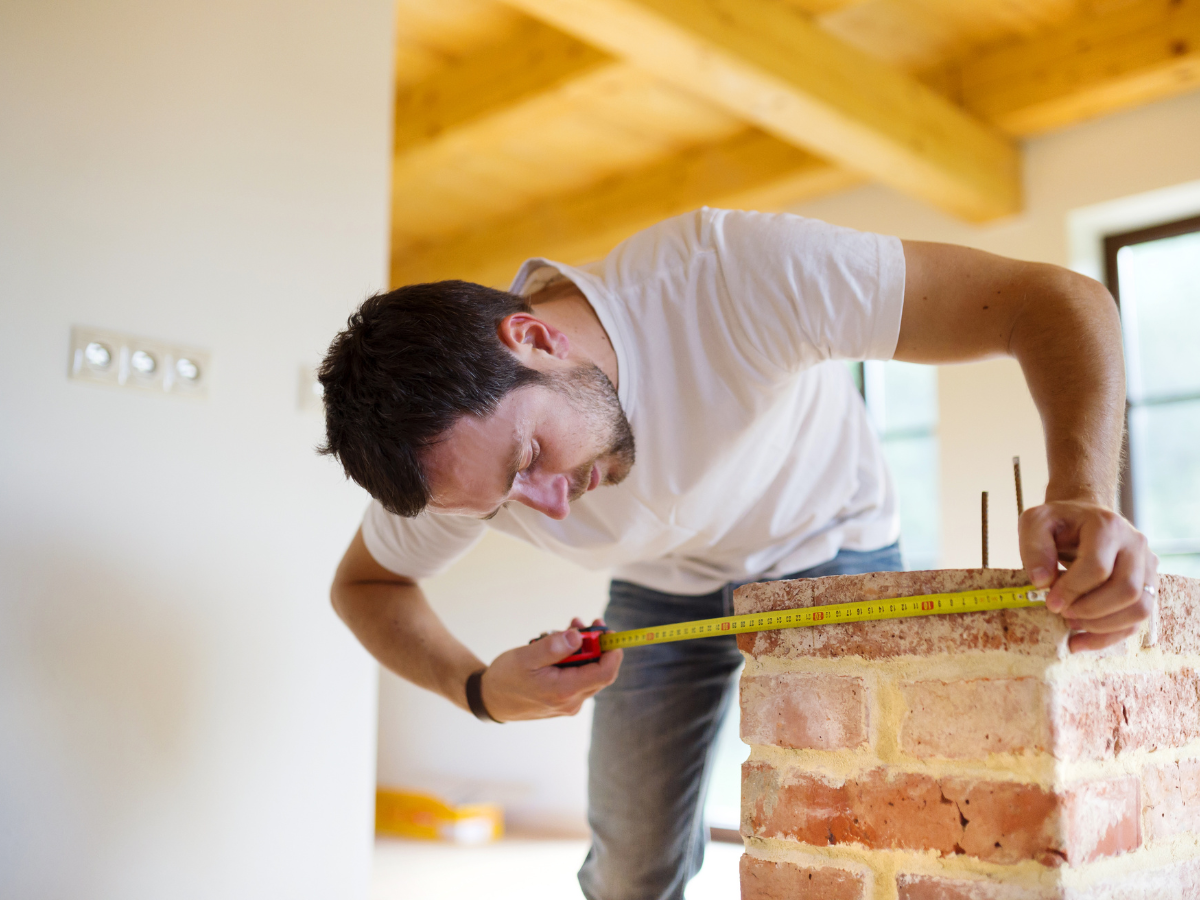
A complete measurement guide goes beyond simply calculating square footage. There are several additional factors that can affect how well a flooring installation performs over time, especially when working with natural materials or more complex layouts.
Taking these details into account during the planning stage can help homeowners avoid installation issues, reduce long-term wear, and improve the overall durability of the finished floor.
Why Acclimation Matters For Hardwood Flooring
One of the most important considerations when installing hardwood flooring is acclimation. Unlike synthetic materials, hardwood naturally expands and contracts as temperature and humidity levels change inside the home.
Before installation, flooring materials should be placed inside the room where they will be installed and allowed to adjust to the environment. Most manufacturers recommend an acclimation period of 48 to 72 hours, although some products may require additional time depending on climate conditions and moisture levels.
Skipping this step can lead to noticeable problems after installation. Hardwood that has not properly acclimated may develop gaps, buckling, or warping once it adjusts to the room’s humidity and temperature.
A thorough measurement guide should always include environmental preparation alongside room measurements because both factors influence the long-term performance of the flooring.
The Importance Of Monitoring Humidity Levels
Humidity plays a major role in flooring stability, particularly for hardwood and engineered wood products. Homes with excessive moisture or extremely dry conditions may experience expansion or shrinkage issues over time.
Using a hygrometer to measure indoor humidity can help homeowners determine whether the environment is suitable before installation begins. Ideally, humidity levels should remain relatively stable both before and after installation to help preserve the flooring material.
This step is especially important in areas with strong seasonal humidity changes or homes that experience fluctuating indoor temperatures throughout the year.
A reliable measurement guide considers not only room dimensions but also the environmental conditions that may affect flooring performance after installation is complete.
Planning Around Subfloors And Existing Surfaces
Another important factor is the condition of the subfloor beneath the new flooring. Even accurate room measurements cannot compensate for uneven, damaged, or unstable surfaces underneath the material.
Before installation, homeowners should inspect the subfloor for moisture issues, cracks, dips, or uneven areas that may interfere with proper installation. Uneven subfloors can cause flooring to shift, squeak, or wear unevenly over time.
Different flooring materials also have specific installation requirements depending on the type of subfloor already in place. Some materials may require underlayment, moisture barriers, or additional preparation steps before installation can begin.
Including subfloor evaluation as part of a complete measurement guide helps homeowners prepare more thoroughly and avoid unexpected complications during installation.
Why Professional Guidance Can Be Helpful
While many homeowners successfully measure rooms themselves, professional assistance can be valuable in more complicated projects. Large open floor plans, irregular layouts, staircases, and mixed flooring transitions often require more advanced planning and precise calculations.
Professionals can also help identify issues that are easy to overlook, including uneven walls, layout challenges, or installation obstacles that may affect material estimates.
In some cases, hiring a professional to verify measurements before ordering materials can help prevent expensive mistakes later in the project. Flooring materials can be costly, and incorrect calculations may result in delays, wasted product, or mismatched replacement materials.
A professional installer or flooring specialist may also provide guidance on layout direction, waste allowances, and installation techniques that improve both appearance and functionality.
Long-Term Planning For Better Results
Flooring is a long-term investment, which is why preparation matters just as much as installation itself. A detailed measurement guide helps homeowners think beyond square footage and consider the full scope of the project, from environmental conditions to layout planning and material performance.
Careful preparation creates a smoother installation process and helps extend the life of the flooring after the project is complete. Accurate measurements, proper acclimation, humidity control, and thoughtful planning all work together to create better long-term results.
By taking these additional considerations seriously, homeowners can avoid many common installation problems and create a finished floor that performs well and looks consistent for years to come.
Conclusion
Accurate room measurements are one of the most important steps in planning a successful flooring project. Taking the time to measure properly helps reduce material waste, improve budgeting accuracy, and ensure a smoother installation process from start to finish.
Whether you are replacing flooring in a single room or updating your entire home, working with experienced professionals can help you avoid costly mistakes and achieve the best possible results.
For expert flooring installation and personalized guidance, choose Diaz Hardwood Floors. Ready to start your flooring project? Call 404-791-0444 or request your free quote today.