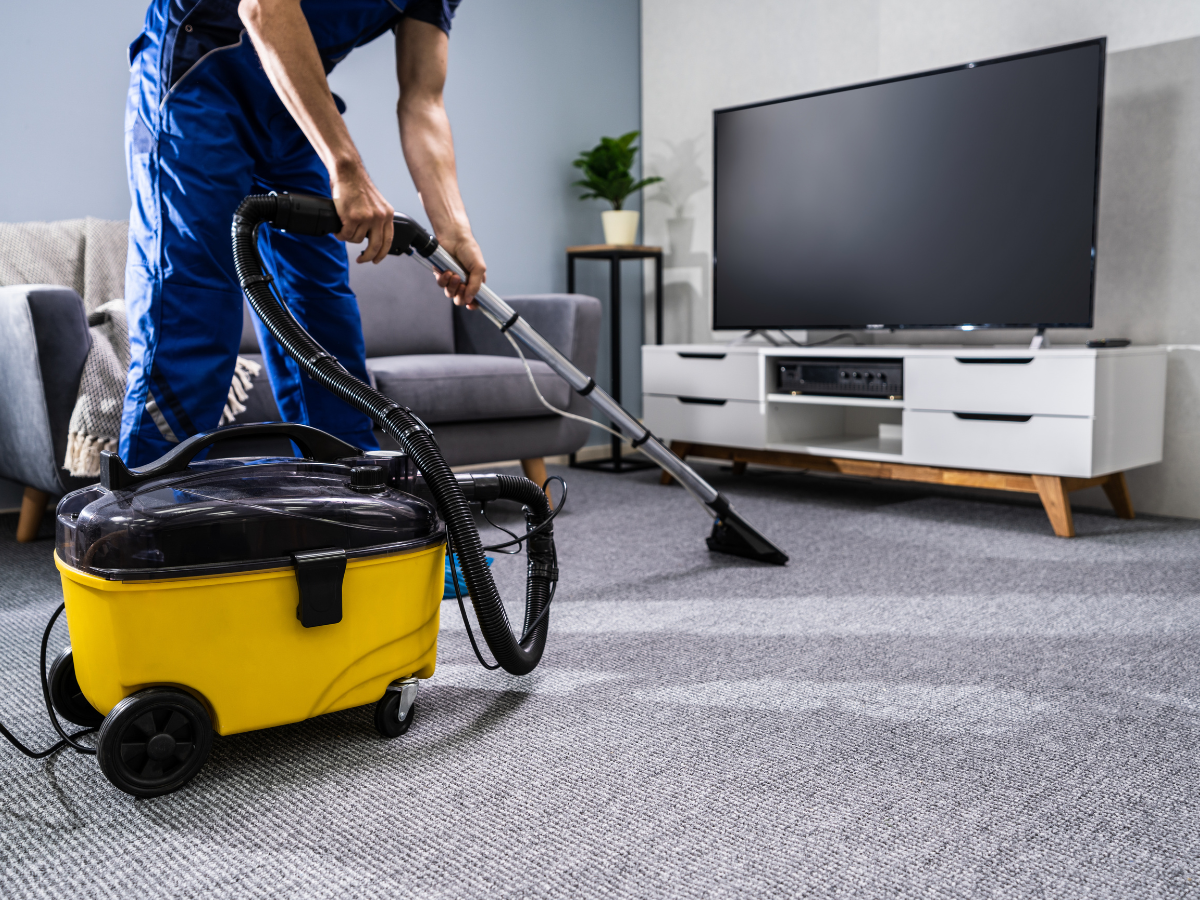

Choosing new flooring tends to raise more questions than homeowners expect. Is hardwood worth the maintenance? Which materials handle pets and moisture best? How long does installation take? And how can you tell whether an existing floor needs repair or complete replacement?
These flooring frequently asked questions address the practical concerns that come up before, during, and after a flooring project.
From comparing materials and understanding costs to preparing for installation, cleaning new floors, and protecting them from everyday wear, clear answers can make the decision process much easier.
Whether you’re planning a full renovation or replacing flooring in a single room, getting the facts upfront can help you avoid costly surprises and choose a floor that suits your space, lifestyle, and long-term expectations.
Frequently Asked Questions About Choosing New Flooring
What Type of Flooring Is Best for My Home?
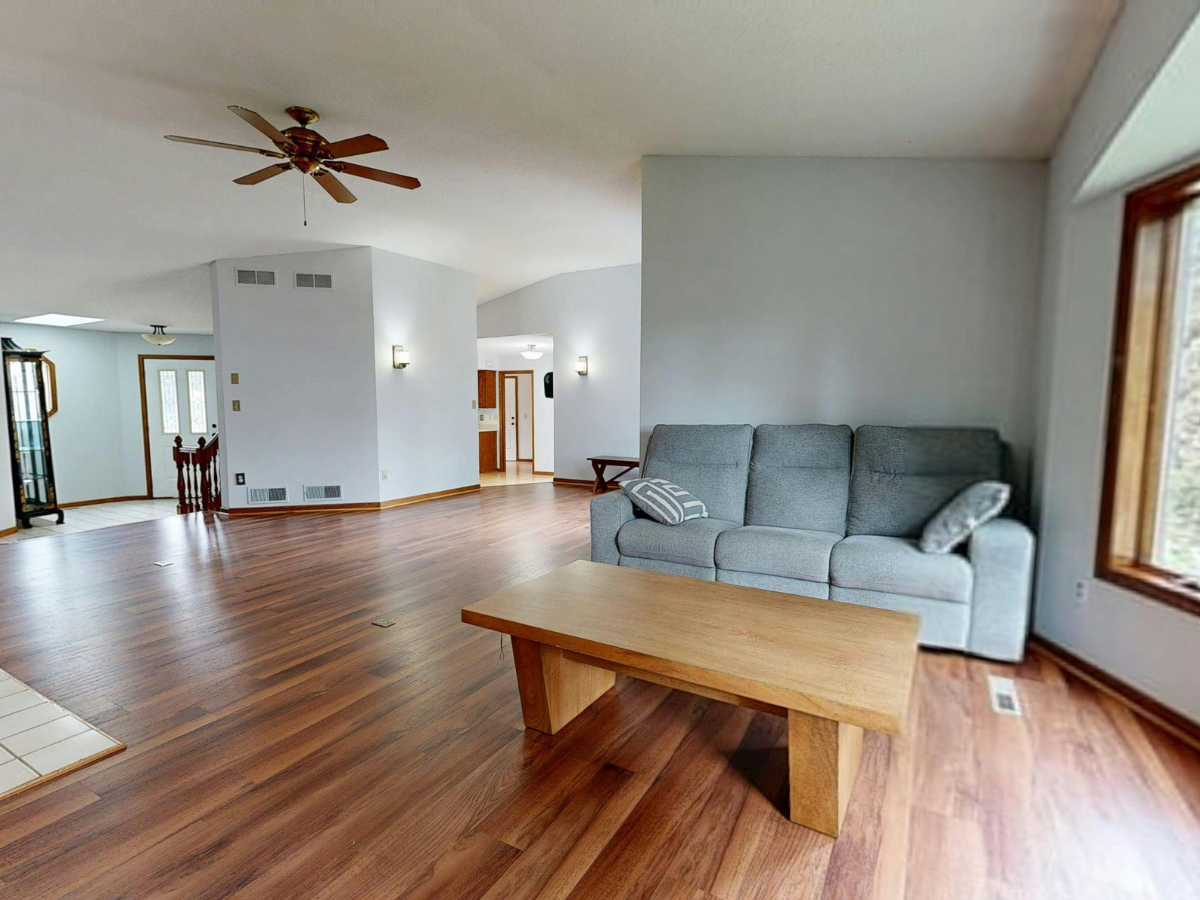
There is no single flooring material that works best for every home. The right choice depends on where the flooring will be installed, how much traffic the room receives, whether moisture is a concern, and how much maintenance you are comfortable taking on.
Pets, children, budget, and how long you expect to keep the floor can also change which material makes the most sense.
Instead of choosing based on appearance alone, start with the demands of the room. A flooring material that performs beautifully in a bedroom may be less practical in a busy kitchen, bathroom, or entryway.
Hardwood for Longevity and a Natural Look
Hardwood remains a strong choice for living rooms, bedrooms, dining rooms, hallways, and other relatively dry areas. Its biggest advantage is longevity. Depending on the floor’s construction and condition, hardwood can often be sanded and refinished when the surface becomes worn rather than replaced entirely.
The tradeoff is that wood can scratch, dent, and react to moisture. Species, finish, household traffic, and maintenance habits all affect how quickly visible wear develops.
In a busy household, some homeowners appreciate the character that develops over time, while others may prefer a surface designed to conceal or resist everyday wear.
Hardwood can still work in homes with children or pets. Protective pads beneath furniture, rugs in high-traffic areas, prompt spill cleanup, and trimmed pet nails can help reduce unnecessary damage.
Laminate for Everyday Durability
Laminate can be a practical alternative when homeowners want the appearance of wood with strong resistance to common scratches and stains. Its layered construction includes a decorative image beneath a protective wear layer, allowing it to reproduce a wide range of wood looks.
This can make laminate appealing in active households, particularly where pets, children, or frequent foot traffic make surface durability a priority. It also tends to be more budget-friendly than many hardwood options.
Moisture performance varies considerably between products, however. Some laminate flooring is designed to withstand greater water exposure than conventional products, but homeowners should check the manufacturer’s specifications before installing it in a kitchen, bathroom, or other moisture-prone room.
Vinyl for Moisture-Prone and High-Use Areas
Vinyl flooring is another option worth considering when easy maintenance and moisture resistance are high priorities. It can work particularly well in kitchens, bathrooms, laundry areas, and other spaces where spills are more likely.
Modern vinyl is available in designs that mimic wood and stone, so choosing a moisture-resistant surface does not necessarily mean giving up the appearance you want. Homeowners deciding between two popular resilient options can compare the practical differences between vinyl and laminate flooring before choosing based on appearance alone.
Product quality still matters. Wear-layer construction, installation method, subfloor condition, and manufacturer requirements can affect how a vinyl floor performs over time.
Consider the Room Before Choosing the Material
For homes with children and pets, prioritize durability, cleanability, and resistance to the types of messes your household actually experiences. Scratch resistance may matter most in one home, while moisture from spills, pet accidents, or wet paws may be the bigger concern in another.
Kitchens and bathrooms deserve particular attention because water exposure can affect both the finished flooring and the materials beneath it.
Tile and many vinyl products are commonly suited to these conditions. Hardwood requires more careful moisture management, while laminate suitability depends heavily on the specific product.
The subfloor should be considered as part of the decision as well. Unevenness, existing moisture problems, or damage underneath the old flooring may need to be corrected before a new surface is installed.
Compare Long-Term Cost, Not Just the Price Per Square Foot
The least expensive flooring at purchase is not automatically the least expensive option over its useful life. Installation, subfloor preparation, maintenance, repairability, and eventual replacement all contribute to the true cost.
Hardwood may require a larger initial investment but offers the possibility of refinishing. Laminate and vinyl can reduce upfront costs and maintenance demands, although damaged sections may be more difficult to restore in the same way.
Think about how long you plan to remain in the home and how heavily the room will be used. If budget is driving the decision, comparing flooring choices within a larger home-improvement budget can help put the material price in context with preparation and installation costs.
The best flooring is ultimately the one that matches the room rather than simply winning a material comparison.
Looking at moisture exposure, traffic, maintenance, repairability, household habits, and budget together gives you a much better basis for choosing a floor that will continue to work for your home after the initial installation.
How Do I Know Whether to Repair or Replace My Floors?
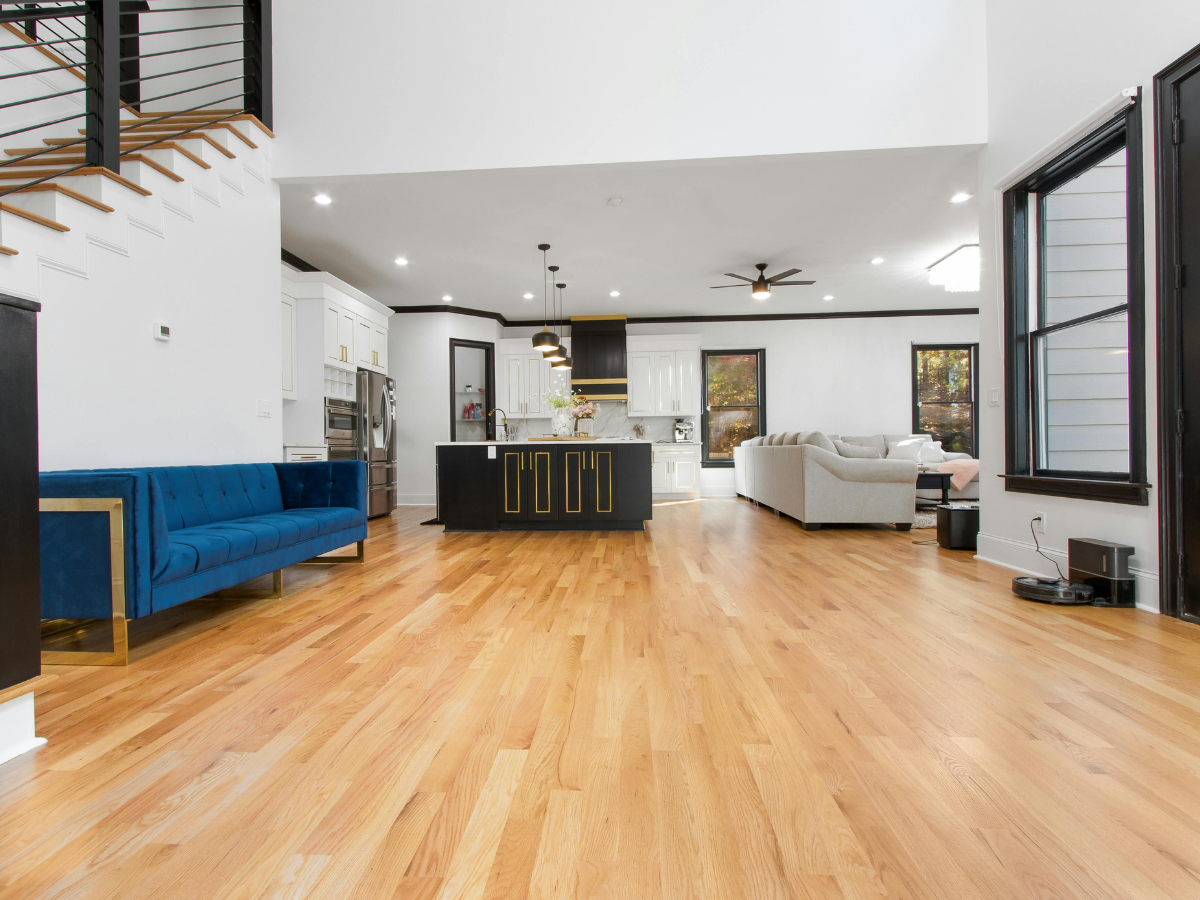
Visible damage does not always mean the entire floor needs to be replaced. Scratches, dull finishes, isolated stains, loose boards, and even some localized water damage may be repairable, particularly when the flooring and subfloor remain structurally sound. Replacement becomes more likely when damage is widespread, the material has deteriorated beyond restoration, or problems beneath the finished floor affect its stability.
Among the frequently asked questions homeowners have about aging floors, the repair-versus-replacement decision is one of the most important because cosmetic wear and structural damage require very different solutions.
When Is Refinishing Enough for Hardwood Floors?
Hardwood that looks worn but remains structurally sound may be a good candidate for refinishing. Sanding removes the existing finish along with many surface-level scratches, scuffs, and discoloration before a new stain or protective finish is applied.
Refinishing works best when the problem is primarily at the surface. A dull finish, normal wear in traffic lanes, minor scratches, or an outdated stain color generally does not justify removing otherwise sound hardwood.
Not every wood floor can be sanded indefinitely, however. Solid hardwood can often tolerate multiple refinishing cycles over its lifespan, while engineered hardwood depends on the thickness of its real-wood wear layer. If a floor has already been refinished several times, an inspection can determine whether enough usable wood remains for another sanding.
When Can Individual Boards Be Repaired or Replaced?
Localized damage does not necessarily require replacing an entire room. If a few hardwood planks are cracked, deeply gouged, stained, loose, or damaged by a small water event, those boards may be repairable or replaceable while the surrounding flooring remains intact.
The challenge is making the repair blend with the existing floor. Wood changes color as it ages and is exposed to light, so a new board may not initially match older flooring perfectly. Matching the species, plank dimensions, grain, stain, and finish can improve the result, and refinishing a larger surrounding area may sometimes create a more consistent appearance.
Squeaks and movement should also be investigated before assuming the visible boards are the problem. Loose fasteners, gaps, or movement in the subfloor can sometimes contribute to noise or instability.
When Does Water Damage Mean the Floor Should Be Replaced?
Water exposure requires more than a visual inspection of the finish. Minor damage may be repairable if the source is corrected quickly and the wood dries without permanent distortion. More serious water exposure can lead to cupping, buckling, staining, loosened boards, or damage to the subfloor.
The source of the moisture should be identified before cosmetic repairs begin. Refinishing a stained surface will not solve an active leak or trapped moisture beneath the flooring.
Replacement may be necessary when boards remain severely warped, sections have separated from the subfloor, the underlying materials have deteriorated, or the damage covers too large an area for localized repair to be practical.
What Signs Suggest Full Flooring Replacement Makes More Sense?
Replacement becomes a stronger option when problems extend beyond normal surface wear. Large areas of broken, unstable, warped, or badly damaged flooring may cost more to patch repeatedly than to replace properly.
The age and construction of the floor also matter. Some flooring materials cannot be restored in the same way as solid hardwood. Laminate, for example, cannot be sanded and refinished because its visible design is part of a manufactured surface layer. Individual damaged planks may sometimes be replaced, but widespread wear generally calls for a different solution.
A replacement may also make sense when several issues occur at once, such as extensive damage combined with an uneven or deteriorated subfloor.
Consider the Condition Beneath the Flooring
The finished surface is only part of the decision. A floor can look damaged because of problems underneath it, including moisture, subfloor deterioration, movement, or an uneven base.
If new flooring is installed without correcting the underlying issue, the same symptoms may eventually return. An assessment should therefore distinguish between damage limited to the finished floor and a problem affecting the supporting structure beneath it.
This is particularly important when floors feel soft, move underfoot, repeatedly separate, or develop unexplained changes in level.
Compare the Scope of Repair With the Value of Replacement
Cost should be considered alongside the expected result. Repairing a few boards or refinishing structurally sound hardwood can preserve a floor for considerably longer without the disruption of full replacement.
Repeated repairs across a heavily deteriorated floor, however, may provide less value than replacing the material and addressing underlying problems at the same time.
Homeowners working through frequently asked questions about damaged flooring should focus first on the type and extent of the problem rather than the appearance alone.
Surface wear often points toward refinishing, isolated damage may allow targeted repair, and widespread structural or moisture-related problems are more likely to justify replacement. A professional inspection can help determine which category the floor falls into before money is committed to either approach.
What Should I Know About Flooring Installation?

Flooring installation involves much more than placing new material over an existing surface. The condition of the subfloor, type of flooring, room layout, transitions between spaces, stairs, removal of old materials, and required preparation can all affect how the project is completed.
Among the frequently asked questions homeowners have before installation, timing tends to come up first. A useful timeline, however, should account for preparation as well as the actual installation.
Rushing directly to the new flooring without addressing moisture, uneven surfaces, damaged subflooring, or material requirements can create problems after the project is finished.
How Long Does Flooring Installation Take?
There is no reliable installation timeline that applies to every flooring project. A relatively straightforward room may move quickly, while a larger project involving several rooms, stairs, repairs, or complicated transitions can require considerably more work.
The material matters too. Hardwood, laminate, vinyl, and other flooring products have different installation methods and preparation requirements.
Some materials may also need time to adjust to conditions inside the home before installation begins. Proper flooring acclimation is particularly important for products affected by changes in temperature and humidity.
Rather than relying on a generic estimate, ask for a project-specific schedule that identifies preparation, installation, finishing, and any time the floor needs before normal use. This provides a much clearer picture of how long the room may actually be unavailable.
What Happens Before New Flooring Is Installed?
Preparation often determines how smoothly the rest of the installation goes. Existing flooring may need to be removed, and the exposed subfloor should be inspected before new material covers it.
Installers may need to address uneven areas, loose sections, moisture concerns, damaged material, protruding fasteners, or residue left by the previous flooring. The exact requirements depend on the flooring being installed and the installation method.
Furniture and belongings also need to be considered. Clarify who will move furniture, whether appliances need to be disconnected or relocated, and how rooms should be cleared before work begins. If baseboards, trim, or door casings will be affected, discuss whether they will be removed, reused, replaced, or adjusted.
These details may seem minor before installation starts, but resolving them early can prevent confusion once the room is already under construction.
What Can Affect the Installation Timeline?
Existing-floor removal is one of the biggest variables because the condition underneath may not be fully visible until the old material comes up. Finding damaged or uneven subflooring can add preparation that was not apparent during an initial surface inspection.
Room complexity also matters. Straightforward rectangular spaces are generally simpler than areas with numerous doorways, angled walls, closets, built-ins, stairs, or changes in flooring height. Transitions between different materials must be planned so adjoining surfaces meet safely and cleanly.
For hardwood installations, acclimation and finishing requirements can also affect the schedule. Site-finished hardwood requires different steps than prefinished products, and drying or curing requirements should be followed before furniture, rugs, or heavy traffic return to the room.
A realistic schedule should leave room for these project-specific conditions rather than assuming every installation follows the same number of days.
How Should I Prepare My Home for Flooring Installation?
Before installation day, confirm which rooms need to be emptied and what the installer expects you to handle yourself. Remove small belongings, breakable items, wall decorations that could be disturbed, electronics, and anything stored on the floor.
Ask about access to the work area as well. Installers may need room for materials, tools, cutting equipment, and debris removal.
If flooring has been delivered in advance for acclimation, follow the storage instructions provided for that particular material rather than moving it to a garage, basement, or another environment without checking first.
Pets and children should also be kept away from active work areas. Aside from tools and exposed materials, doors may be opened frequently while workers move between the house and work area.
What Should I Check After Installation?
Before considering the project complete, walk through the finished space and look at the flooring as a whole rather than focusing only on the appearance of individual boards or planks.
Check transitions between rooms, edges near walls, trim, door clearance, stairs if applicable, and any areas where the flooring meets another material. Ask questions about anything that appears loose, uneven, unfinished, or different from what was discussed before installation.
Care requirements begin immediately after the project as well. A post-installation flooring checklist can help homeowners understand what to inspect and how to protect hardwood, laminate, or vinyl during the first days of use.
The most useful frequently asked questions about flooring installation usually come down to preparation: what needs to happen before work begins, what could change the schedule, and what should be checked when the job is finished.
Clarifying those details before installation starts makes it easier to set realistic expectations and identify problems before they become harder to correct.
How Much Does New Flooring Cost?
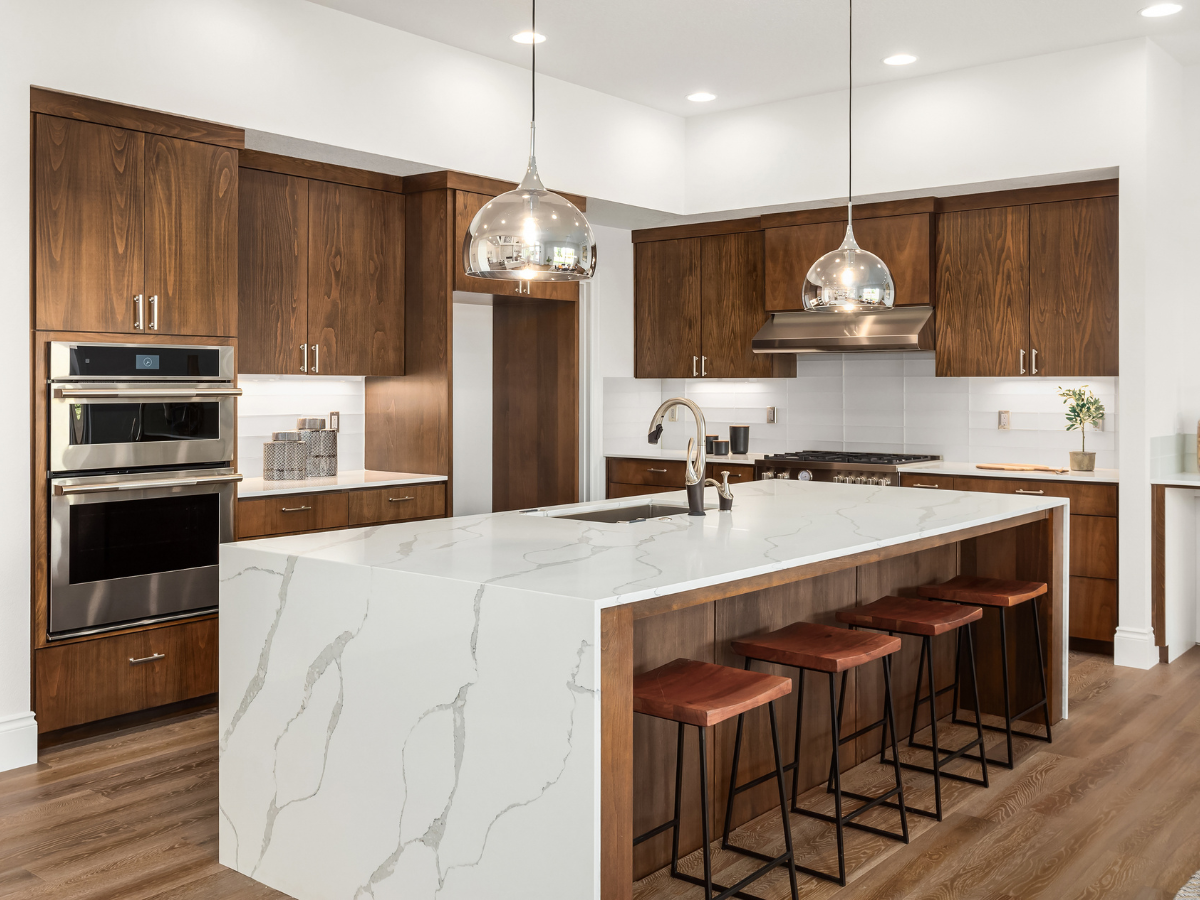
The cost of new flooring depends on much more than the material price shown in a showroom or online. Square footage, flooring type, removal of the existing surface, subfloor preparation, labor, room layout, stairs, transitions, and finishing details can all change the total.
That is why one of the most useful frequently asked questions to ask a flooring contractor is not simply, “What is the price per square foot?” but “What exactly is included in this estimate?” Two quotes with similar material prices can end up covering very different scopes of work.
What Factors Affect the Total Cost of New Flooring?
Material is usually one of the largest expenses, but pricing can vary substantially within the same flooring category. Hardwood costs can change based on species, grade, plank dimensions, construction, and finish.
Laminate and vinyl also range from basic products to higher-end options with different wear layers, designs, and performance characteristics.
The size and shape of the space matter as well. Contractors need enough material to cover the floor plus additional material for cuts and installation waste.
Measuring accurately before requesting estimates can make early budgeting more realistic, particularly in rooms with closets, alcoves, or unusual layouts. A room measurement guide for flooring estimates can help homeowners understand how square footage translates into material needs.
Labor is affected by the installation method and complexity of the space. Stairs, narrow hallways, angled walls, multiple doorways, patterned layouts, and transitions between flooring types can require more time than an open rectangular room.
What Additional Costs Should I Look for in an Estimate?
Preparation costs are easy to overlook because they are not part of the finished floor. Existing carpet, hardwood, laminate, vinyl, or tile may need to be removed and disposed of before installation begins.
Once that material comes up, the subfloor may also require leveling, fastening, patching, moisture-related work, or other preparation.
Other potential costs can include underlayment, trim, transitions, stair components, baseboard work, moving furniture, and changes needed to accommodate doors or appliances. Not every project requires all of these items, which is why estimates should be compared line by line rather than by the final total alone.
Ask whether material, labor, removal, disposal, preparation, trim work, and finishing are included. If an estimate contains allowances or items that could change once work begins, find out how those adjustments will be calculated.
Is Refinishing Hardwood Less Expensive Than Replacing It?
Refinishing can be a more economical option when existing hardwood is structurally sound and the main problems are surface wear, scratches, fading, or an outdated finish.
The process generally involves sanding the existing surface and applying a new stain or protective finish rather than purchasing and installing an entirely new floor.
That does not mean refinishing is automatically the least expensive solution for every hardwood floor. Deep damage, extensive board replacement, moisture problems, subfloor issues, or a floor that no longer has enough usable wood for sanding can change the scope substantially.
Understanding the hardwood floor refinishing process can help homeowners see which steps are involved before comparing refinishing with replacement.
The earlier condition of the floor matters more than a generic cost comparison. A professional assessment can establish whether refinishing is technically appropriate before you budget around it.
How Should I Compare Flooring Estimates?
Start by making sure each contractor is pricing roughly the same project. A lower estimate is difficult to evaluate if it excludes removal, preparation, trim, or another task included elsewhere.
Look for enough detail to understand:
- The flooring material and quantity being supplied
- Removal and disposal of existing flooring
- Subfloor preparation included in the base price
- Labor and installation method
- Transitions, trim, stairs, or other finishing work
- Items that may result in additional charges
If one quote is significantly lower than the others, identify what is different before assuming it offers better value. The material may be different, the preparation scope may be smaller, or certain costs may not yet be included.
Should I Budget for Unexpected Flooring Costs?
It is sensible to leave some flexibility in a flooring budget because certain conditions cannot always be confirmed until the existing surface is removed. Hidden subfloor damage, moisture problems, or previous installation issues can change what is required before the new flooring goes down.
This does not mean homeowners should expect the price to increase automatically. A detailed estimate and clear discussion about possible additional work can help distinguish known costs from conditions that would genuinely require a change in scope.
Among the frequently asked questions about flooring cost, the most important ones focus on what the price actually covers. Material cost is only one part of the project.
Understanding preparation, labor, removal, finishing, and potential repair work gives you a much more useful basis for comparing estimates and setting a realistic budget.
How Do I Maintain New Flooring?
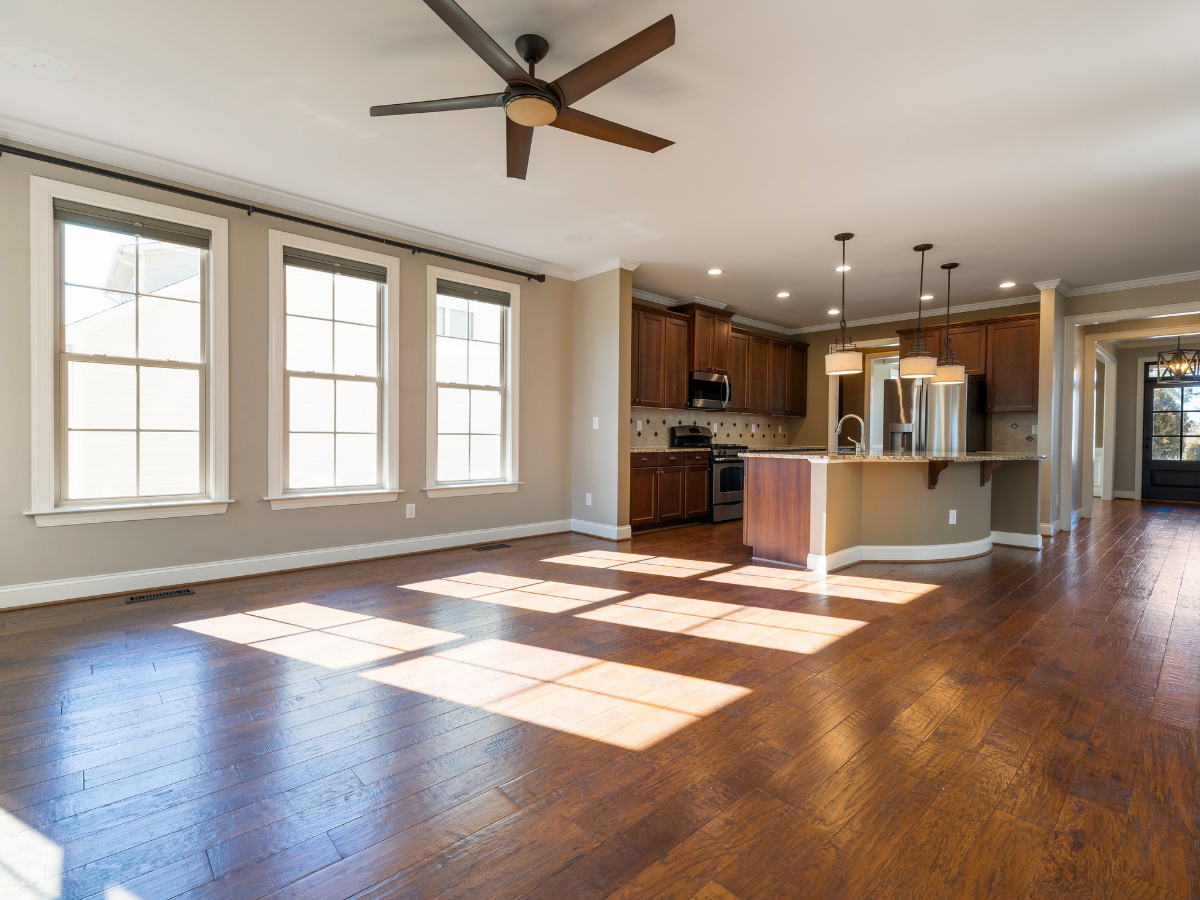
Maintenance should begin with the care instructions for the specific flooring material and finish installed in your home. Hardwood, laminate, vinyl, and other surfaces respond differently to moisture, cleaning products, abrasion, and everyday traffic, so a method that is safe for one floor may damage another.
Among frequently asked questions about new flooring, cleaning often seems straightforward until homeowners start comparing product labels and maintenance advice.
The safest approach is to follow the flooring manufacturer’s instructions first, particularly for cleaning products, moisture limits, and any requirements tied to the product warranty.
How Often Should I Clean New Flooring?
Cleaning frequency should reflect how the room is used rather than follow a rigid schedule. Entryways, kitchens, and other high-traffic spaces usually collect grit and debris faster than bedrooms or low-use rooms. Homes with pets or children may also need more frequent routine cleaning.
For most hard flooring, removing loose dirt regularly is one of the simplest ways to limit surface wear. Dust, sand, and small particles can become abrasive when they are repeatedly walked across.
A soft broom, microfiber dust mop, or vacuum attachment approved for the flooring can help remove debris without scratching the finish.
Mopping requirements depend more heavily on the material. Wood and laminate generally call for better moisture control than surfaces designed for wet environments. Even when a floor can tolerate damp cleaning, more water does not necessarily produce a cleaner floor.
Which Cleaning Products Are Safe for Hardwood Floors?
Hardwood finishes vary, so avoid choosing a cleaner simply because the label says it is suitable for floors in general. Use products compatible with the finish on your specific hardwood and avoid abrasive tools that can scratch or dull the surface.
Excess water is another concern. Hardwood should not be saturated during routine cleaning, and spills should be addressed promptly rather than allowed to sit between boards.
Homeowners looking for a more detailed routine can follow hardwood flooring maintenance practices tailored to protecting the surface without unnecessary moisture or harsh cleaning methods.
Be cautious with DIY cleaning mixtures as well. Ingredients commonly recommended for general household cleaning are not automatically appropriate for every flooring finish.
How Should I Care for Laminate and Vinyl Flooring?
Laminate typically benefits from regular removal of dust and grit, prompt spill cleanup, and limited moisture during cleaning. Because the decorative surface cannot be refinished like hardwood, preventing scratches and excessive wear becomes particularly important.
Vinyl is generally more tolerant of moisture, but it still requires compatible cleaning products and protection from abrasive debris. Avoid assuming that greater water resistance means the floor can be cleaned with any chemical or tool.
For either material, check the manufacturer’s instructions before using steam cleaners, polishes, waxes, abrasive pads, or concentrated cleaning solutions. Some treatments can leave residue, alter the finish, or conflict with the flooring’s care requirements.
How Can I Protect Flooring From Everyday Wear?
Prevention is often easier than repairing visible wear later. Entry mats can catch grit before it reaches the flooring, while furniture pads help reduce scratches and dents from chairs, tables, and other heavy pieces.
Area rugs can protect high-traffic paths, but make sure the backing or rug pad is compatible with the flooring beneath it. Some backing materials can discolor or react with certain finishes.
Furniture should be lifted rather than dragged when it needs to be moved. Pet nails should be kept trimmed, spills should be cleaned promptly, and wet shoes or standing moisture should not remain on floors longer than necessary.
More general floor maintenance techniques can help homeowners build these preventive habits into normal household cleaning rather than waiting until scratches or dull areas become obvious.
Does Sunlight Affect Flooring?
Natural light can gradually alter the appearance of some flooring materials, particularly wood. Changes may become more noticeable when rugs, furniture, or other objects remain in the same location for long periods because covered and exposed areas can age differently.
Curtains, blinds, or other window coverings can reduce prolonged direct exposure. Periodically rearranging rugs or furniture where practical may also help the floor develop a more even appearance over time.
Changes caused by natural aging are not necessarily signs that the flooring is failing. Understanding how your particular material responds to light can help distinguish normal color development from actual damage.
When Does Routine Maintenance Stop Being Enough?
Cleaning cannot correct every flooring problem. Deep scratches, persistent dullness, damaged boards, loose sections, swelling, buckling, or recurring gaps may indicate that the issue has progressed beyond ordinary maintenance.
Pay particular attention to sudden changes. New movement underfoot, unexplained moisture, widespread warping, or recurring damage may point to an installation, subfloor, or moisture problem that should be investigated rather than repeatedly cleaned or concealed.
If you are reviewing frequently asked questions before choosing new flooring, maintenance is worth considering before installation rather than afterward.
A floor that fits your household’s realistic cleaning habits, traffic level, pets, and tolerance for visible wear is easier to care for over the long term than one selected primarily for appearance.
What Should I Ask a Flooring Contractor?
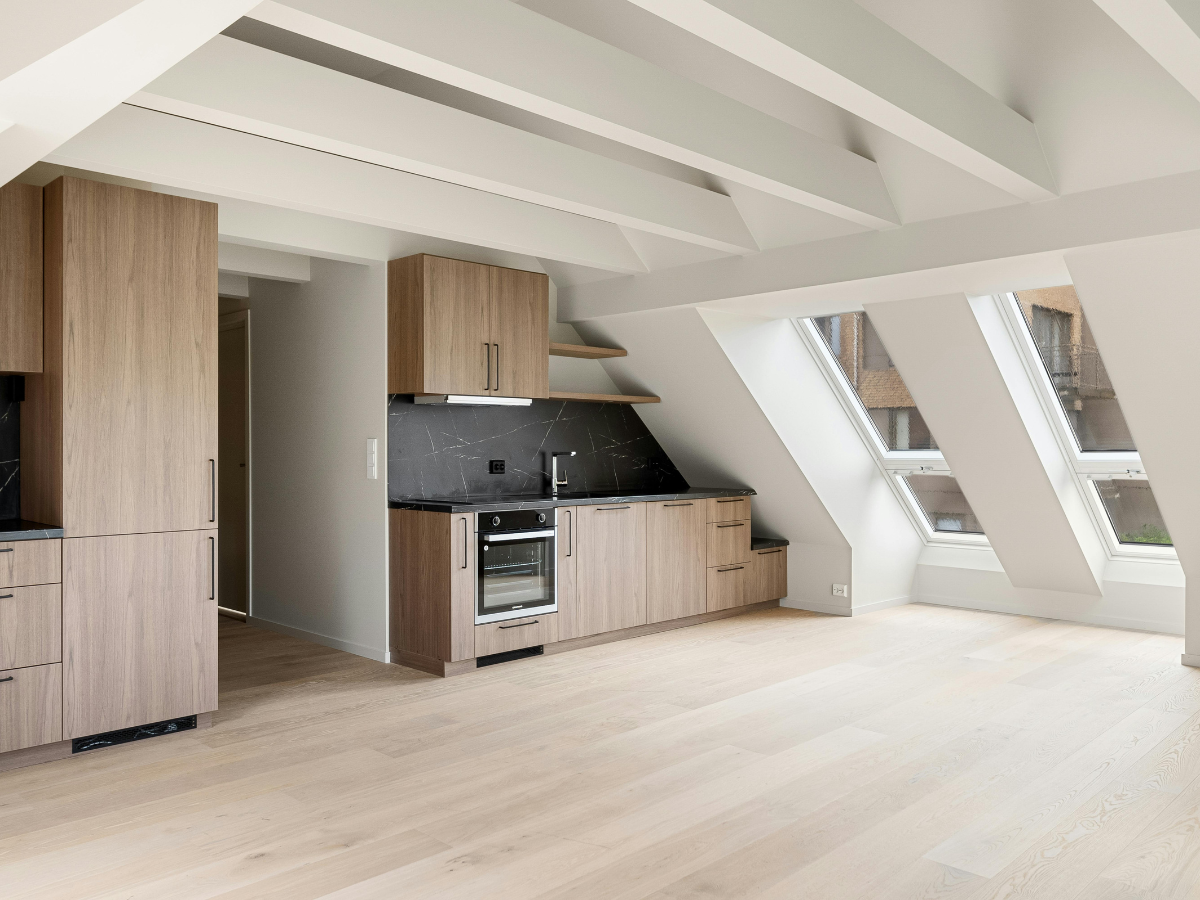
A flooring consultation should cover much more than color, plank width, or style. It is also your opportunity to understand how the contractor evaluates the existing floor, what preparation the project requires, how the installation will be handled, and what is included in the price.
Among the frequently asked questions homeowners bring to a flooring consultation, the most useful ones are those that reveal how thoroughly the contractor has evaluated the project. Clear answers before work begins can make it easier to compare proposals and avoid misunderstandings later.
Which Flooring Options Make Sense for This Room?
A contractor should be able to explain why a particular flooring material suits the space rather than simply presenting available products. Discuss how the room is used, how much foot traffic it receives, whether pets or children are present, and how much maintenance you realistically want to perform.
Moisture exposure should also be part of the conversation. Kitchens, bathrooms, basements, entryways, and other spaces can place different demands on flooring than bedrooms or living rooms. Ask how the proposed material will respond to the actual conditions in your home and whether another option would perform better.
What Condition Is the Existing Floor and Subfloor In?
Before agreeing to new flooring, ask what the contractor can determine about the surface underneath it. Uneven areas, moisture, loose sections, previous adhesive, damaged subflooring, or other conditions may require preparation before installation can begin.
Some problems are not fully visible until the existing flooring is removed, so ask how unexpected subfloor work would be handled if additional repairs become necessary. The contractor should be able to explain which preparation is already included in the proposal and which conditions could change the scope.
For existing hardwood, also ask whether replacement is actually necessary. Floors with surface wear may sometimes be candidates for sanding and refinishing, while localized damage may allow individual boards to be repaired.
What Exactly Is Included in the Estimate?
Do not compare contractors solely by the total at the bottom of the proposal. Ask for enough detail to understand what each price includes.
Depending on the project, the estimate may need to address flooring material, labor, removal and disposal of existing flooring, subfloor preparation, underlayment, transitions, stair work, trim, furniture moving, and finishing. If an item is excluded, find out who is responsible for arranging it.
It is also worth asking how changes are approved and priced. If additional work is discovered after demolition begins, you should understand how the contractor will communicate the issue before proceeding.
Who Will Perform the Installation?
Find out whether the person providing the estimate will also supervise the project and who will actually perform the installation. Ask about the contractor’s experience with the specific material you are considering, particularly when the project involves hardwood refinishing, stairs, unusual layouts, or transitions between different flooring types.
Reviewing examples of completed flooring projects can also help you evaluate the type and range of work a contractor has handled. Pay attention to details that resemble your own project rather than judging a portfolio only by overall appearance.
How Will Stairs, Doorways, and Transitions Be Handled?
Details at the edges of a flooring project can have a major effect on how finished the installation looks. Ask how the new floor will meet adjacent rooms, tile, carpet, stairs, thresholds, doors, and existing trim.
If flooring heights will change, discuss how that difference will be managed. Door clearance, baseboards, quarter round, stair nosing, and transitions are easier to address before installation begins than after the new surface is already in place.
What Is the Expected Timeline?
Ask for a realistic timeline that includes preparation as well as installation. Material acclimation, demolition, subfloor repair, sanding, staining, finishing, and curing can all affect when a room is ready for normal use.
Clarify when furniture can be returned, when rugs can be placed, and whether you will be able to walk on the floor immediately after the work is completed. These details depend on the flooring material and finish, so a project-specific answer is more useful than a generic number of days.
What Warranty or Follow-Up Support Is Provided?
Ask what warranties apply to both the flooring material and the installation itself. Manufacturer warranties and contractor workmanship warranties are separate, and each may have different conditions or exclusions.
Find out whom to contact if you notice a problem after installation and what documentation you should keep. Care instructions are worth requesting as well, since using an unsuitable cleaner or maintenance method can affect certain flooring products or finishes.
The best frequently asked questions for a flooring contractor help you understand the complete project before committing to it.
A strong consultation should leave you with a clear picture of the recommended material, preparation requirements, installation process, cost, timeline, finishing details, and responsibility for any issues that arise along the way.
Conclusion
Understanding the answers to common flooring questions can make it easier to choose materials, plan for installation, and care for your floors over time.
Factors such as durability, maintenance, moisture resistance, household traffic, design preferences, and budget can all influence which flooring option is best for your space.
Because every home and project has different requirements, professional guidance can help you compare your options and make a more informed investment.
For quality flooring products, expert installation, and trusted craftsmanship, choose Diaz Hardwood Floors. If you still have questions about your flooring project or you’re ready to explore your options, call 404-791-0444 to speak with the team at Diaz Hardwood Floors or request your free quote today.