
Creating a cozy and stylish bedroom begins with selecting the right flooring. The flooring you choose not only impacts the aesthetic appeal of your space but also plays a crucial role in comfort and functionality.
This article will explore various bedroom flooring options that blend comfort and design, helping you make informed decisions for your bedroom.
From hardwood to carpet, each material offers unique benefits that cater to different styles and preferences. We will also discuss essential considerations when choosing bedroom flooring, ensuring you find the perfect match for your needs.
How to Choose Bedroom Flooring That Feels Warm and Inviting
What Are the Best Flooring Options for Bedrooms?
The best bedroom flooring should do more than complement the furniture and wall color. Bedrooms have different priorities from kitchens, bathrooms, and other high-traffic areas.
Comfort underfoot, warmth, noise control, maintenance, and appearance often matter more than extreme water resistance or commercial-level durability.
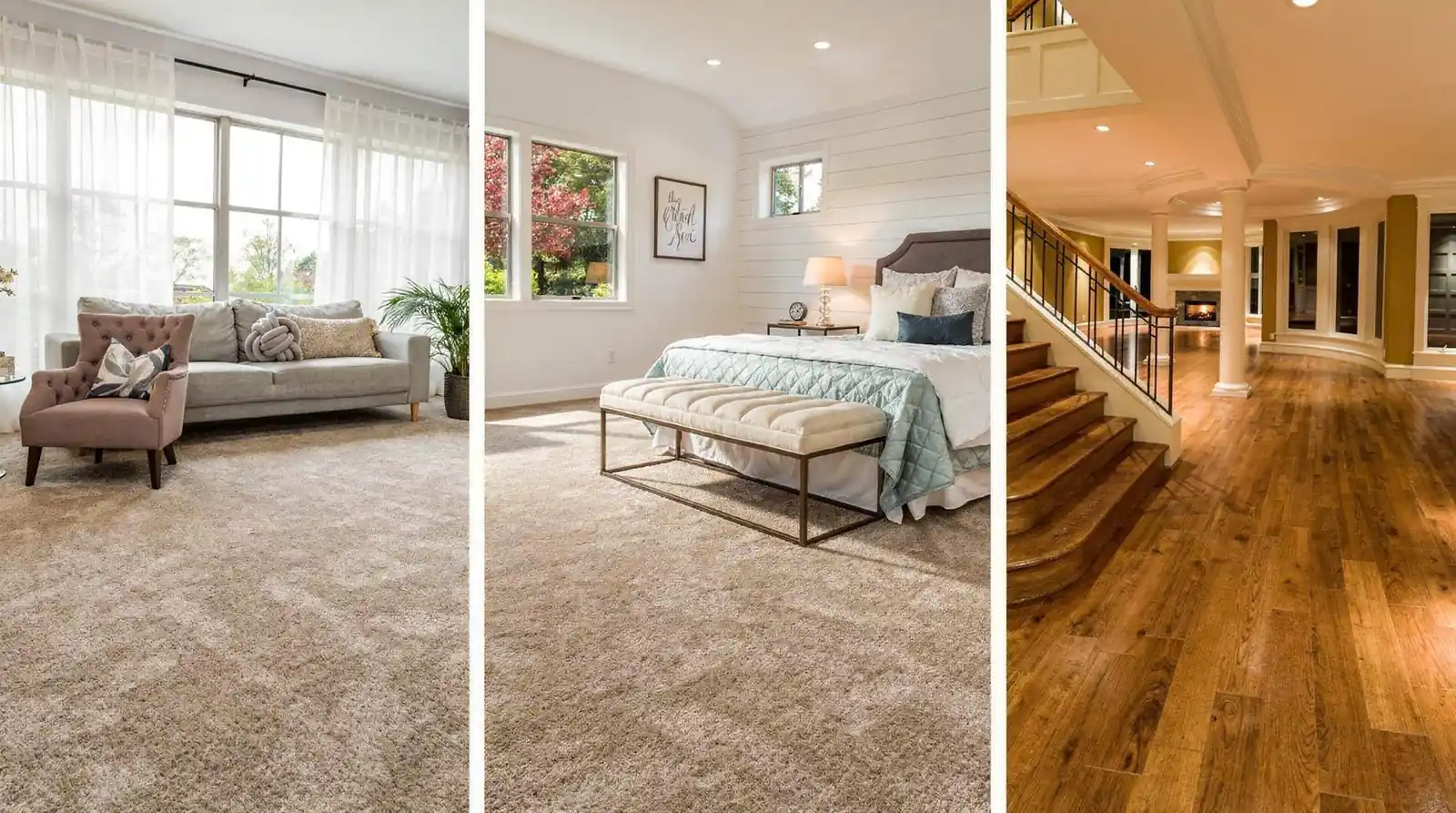
Hardwood, engineered hardwood, and carpet remain three of the strongest bedroom flooring choices, but each creates a noticeably different room.
Hardwood offers longevity and natural character, engineered wood provides similar visual appeal with a more stable construction, and carpet prioritizes softness and sound absorption.
Understanding those differences makes it easier to choose flooring based on how you want the bedroom to look, feel, and function.
How Do Hardwood, Engineered Wood, and Carpet Compare?
Before focusing on colors or finishes, compare the practical characteristics of each material.
| Flooring Type | Comfort | Maintenance | Durability | Best For |
|---|---|---|---|---|
| Solid hardwood | Firm but warm, especially with rugs | Easy routine cleaning | Excellent with proper care | Long-term value and natural wood character |
| Engineered hardwood | Similar feel to hardwood | Easy routine cleaning | Good, depending on construction and wear layer | Wood appearance with greater dimensional stability |
| Carpet | Soft and warm | Requires regular vacuuming and periodic deeper cleaning | Varies by fiber and construction | Maximum softness, warmth, and quieter bedrooms |
There is no single material that works best for every household. The right bedroom flooring depends on which characteristics matter most in the space.
Hardwood Flooring Offers Long-Term Appeal
Solid hardwood remains a popular bedroom choice because it combines durability with a natural appearance that works across many interior styles. Oak, maple, and other wood species are available in different plank widths, stains, grades, and finishes, allowing hardwood to suit everything from traditional bedrooms to cleaner contemporary designs.
Another advantage is longevity. Depending on the product and its condition, solid hardwood can often be refinished rather than completely replaced when the surface eventually becomes worn.
The tradeoff is comfort. Hardwood does not provide the same cushioning or sound absorption as carpet. An area rug beside or beneath the bed can soften the room while preserving the appearance and easy cleaning of a wood floor.
Hardwood also responds to changes in humidity, so proper installation and indoor climate control matter.
Engineered Hardwood Combines Real Wood With Greater Stability
Engineered hardwood is sometimes described simply as a cheaper version of hardwood, but that misses one of its main advantages.
Unlike solid wood, which is made from a single piece of timber, engineered flooring typically uses a real hardwood veneer over multiple supporting layers. This layered construction can make the planks more dimensionally stable when indoor temperature and humidity change.
That makes engineered hardwood worth considering in homes or installation locations where solid wood may be less practical.
Visually, quality engineered hardwood can provide much of the same character as solid wood because the visible surface is genuine wood. Options vary considerably, however. Wear-layer thickness, core construction, finish quality, and installation method can all affect durability and whether the floor can be refinished later.
Homeowners comparing these two options should look beyond the initial price and consider how long they expect to keep the flooring.
Carpet Provides the Softest Bedroom Surface
For homeowners who want the bedroom to feel warm and quiet, carpet remains difficult to beat.
Its cushioned surface is comfortable when getting out of bed, while the combination of carpet and padding can help absorb sound within the room. Those characteristics can be particularly appealing in upstairs bedrooms or spaces where reducing footfall noise is a priority.
Carpet also offers substantial design flexibility. Fiber type, pile height, texture, density, and color all influence how the finished floor looks and performs.
Maintenance is the main consideration. Carpet traps more dust, debris, and spills within its fibers than a hard surface, so regular vacuuming is important. Periodic deeper cleaning may also be needed depending on household use, pets, and the carpet material.
Choosing a durable, appropriately constructed carpet is especially important for bedrooms that receive heavier use.
Which Bedroom Flooring Is Best for Your Priorities?
Rather than choosing by appearance alone, start with the experience you want from the room.
If long-term durability and natural character matter most, solid hardwood is a strong candidate. If you want the appearance of real wood with greater dimensional stability, engineered hardwood may be the better fit. If your priorities are softness, warmth, and sound absorption, carpet deserves serious consideration.
You can also combine benefits. Hardwood or engineered wood paired with a large area rug provides a soft surface around the bed while keeping most of the floor easy to clean.
The best bedroom flooring ultimately fits both the room and the household. Consider how the space is used, how much maintenance you are comfortable with, the expected lifespan of the material, and how the floor connects visually with adjacent rooms.
Those practical decisions are more likely to produce a bedroom you enjoy living with long after installation.
Are Laminate, Vinyl Plank, and Tile Good Choices for Bedroom Flooring?
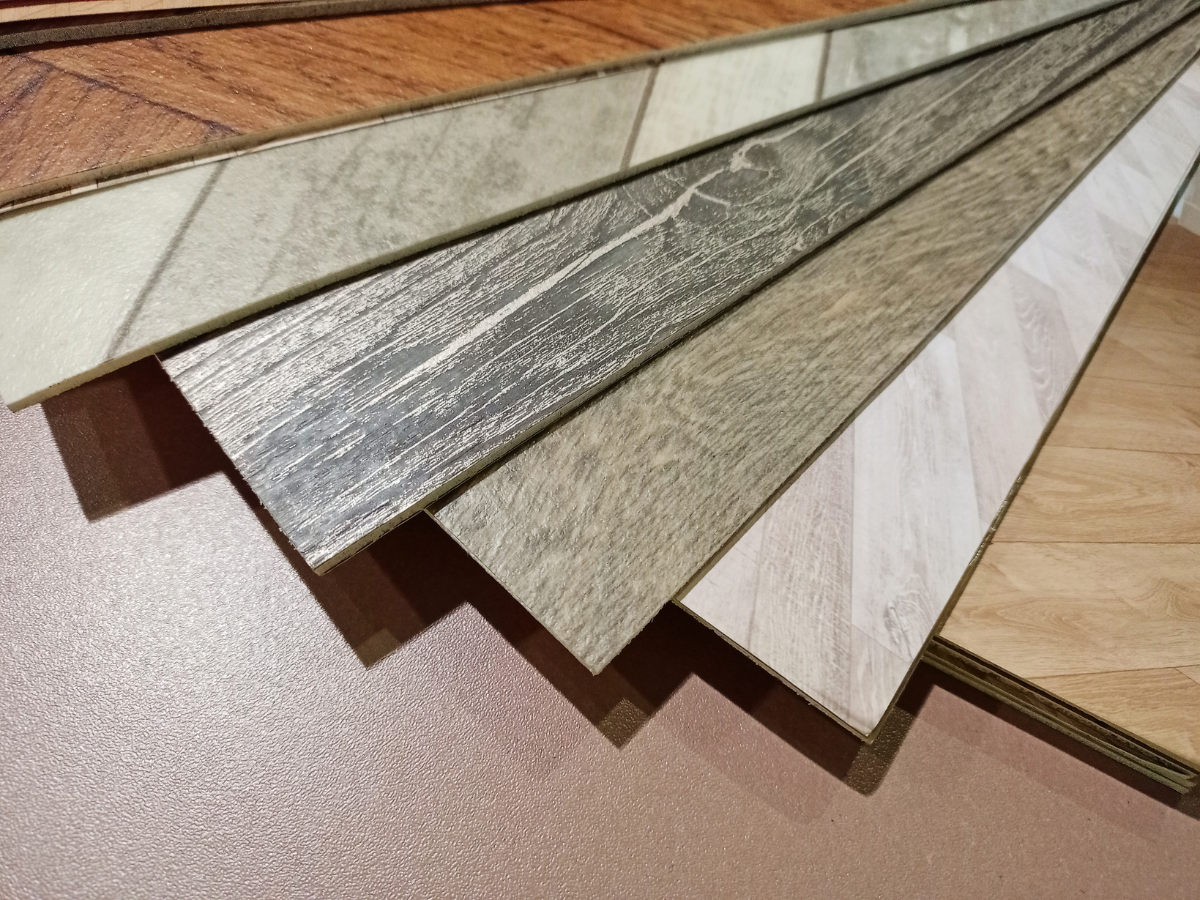
Hardwood and carpet may be traditional bedroom favorites, but they are far from the only practical choices. Laminate, luxury vinyl plank, and tile can each work well in a bedroom when selected for the right reasons.
They are particularly worth considering when cost, easy maintenance, pets, moisture resistance, or design flexibility are higher priorities than the feel of natural wood or wall-to-wall carpet.
The key is to judge these materials by bedroom-specific needs. A floor that performs well in a kitchen is not automatically ideal beside the bed. Bedrooms generally benefit from surfaces that are comfortable, relatively quiet, easy to maintain, and visually suited to a relaxing space.
How Do Laminate, Vinyl Plank, and Tile Compare?
These three materials can create similar looks, but their performance and feel underfoot are quite different.
| Flooring Type | Comfort | Maintenance | Moisture Resistance | Best Suited For |
|---|---|---|---|---|
| Laminate | Moderately firm | Easy | Varies by product | Wood-look bedrooms on a controlled budget |
| Luxury vinyl plank | Slightly resilient | Very easy | Typically high | Pets, spills, and low-maintenance households |
| Tile | Hard and cool | Easy | Excellent | Warm climates and bedrooms connected to wet areas |
Installation quality and the specific product still matter. Underlayment, subfloor condition, plank construction, and finish can all change how bedroom flooring feels and performs after installation.
Laminate Flooring Offers the Wood Look at a Lower Cost
Laminate can be a useful alternative for homeowners who like the appearance of hardwood but do not necessarily need a real-wood surface. Modern laminate is available in a broad range of colors, plank sizes, textures, and wood-look patterns, making it easier to coordinate with different bedroom styles.
Its layered construction also provides good resistance to everyday scratches and wear, although performance varies considerably between products.
One factor that deserves more attention in bedrooms is sound. A poorly installed floating laminate floor can sound hollow or produce noticeable footfall noise. Choosing an appropriate underlayment and preparing the subfloor correctly can help create a quieter, more comfortable result.
Moisture resistance also varies. Some newer laminate products are designed to handle spills better than conventional laminate, but homeowners should check the manufacturer’s specifications rather than assuming every product is waterproof.
Luxury Vinyl Plank Works Well for Low-Maintenance Bedrooms
Luxury vinyl plank, often called LVP, combines a wood-inspired appearance with a surface that is relatively simple to clean. That makes it especially practical in children’s bedrooms, guest rooms, and households with pets.
Its resistance to moisture is another advantage. While bedrooms are rarely exposed to the amount of water found in kitchens or bathrooms, spills, pet accidents, and everyday mishaps are easier to manage with a floor designed to resist moisture.
LVP can also feel somewhat softer and quieter underfoot than tile, although the exact experience depends on the product and installation method.
Quality varies significantly. Wear-layer construction, overall plank thickness, locking systems, and subfloor preparation can influence how the finished floor performs. Rather than choosing vinyl based on appearance alone, compare the product specifications and warranty for the type of use the bedroom receives.
Tile Can Make Sense in the Right Bedroom
Tile is less common as bedroom flooring in some homes, but that does not make it a poor choice. In warmer climates, its naturally cool surface can actually be appealing.
Porcelain and ceramic tile are durable, easy to clean, and available in an enormous range of finishes. Wood-look tile can provide the visual effect of planks while retaining the practical characteristics of tile.
Comfort is the main tradeoff. Tile is hard underfoot and offers little natural sound absorption. Area rugs can make a significant difference around the bed, adding softness while also helping the room feel less acoustically harsh.
Tile may be particularly useful in bedrooms connected directly to bathrooms, patios, pool areas, or other spaces where moisture and easy cleaning are priorities.
Which Alternative to Hardwood or Carpet Should You Choose?
Choose based on the problem you actually need the floor to solve.
For a convincing wood look on a tighter budget, laminate deserves consideration. For easy cleaning, moisture resistance, and everyday practicality, luxury vinyl plank is often the stronger option. For maximum durability, moisture resistance, and a cool surface, tile may be a better fit.
None is universally superior. The best bedroom flooring also depends on the subfloor, climate, household, installation requirements, and how the room connects with surrounding spaces.
Before deciding, compare full-size samples in the actual bedroom rather than relying solely on showroom lighting or online images. Seeing the material beside your walls, furniture, bedding, and natural light can reveal differences in color and texture that are difficult to judge from a small sample.
How to Choose the Right Bedroom Flooring
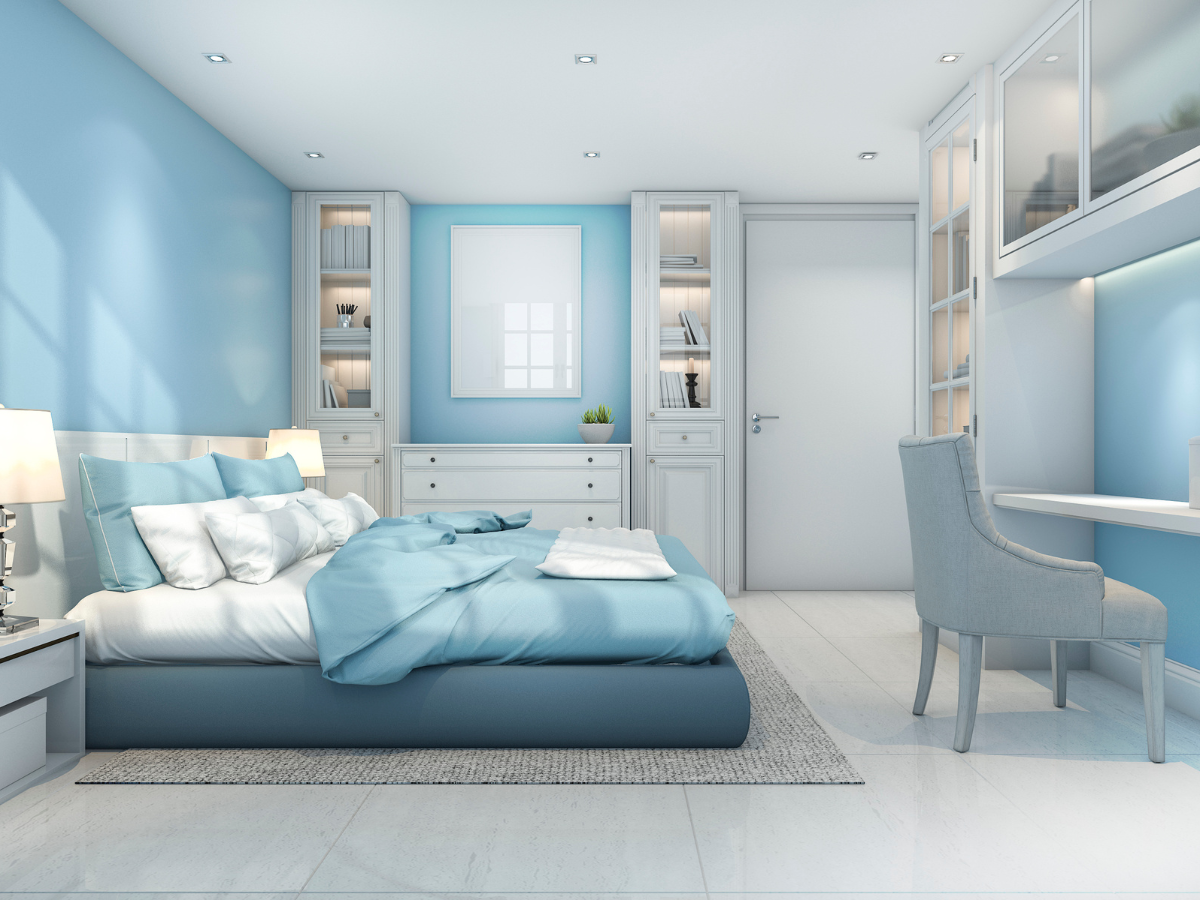
Choosing bedroom flooring is less about finding the material with the longest list of benefits and more about deciding which qualities matter most in the room.
Bedrooms typically experience less foot traffic than kitchens, hallways, and living areas, so comfort, warmth, noise, and appearance can carry more weight than maximum durability.
Before comparing materials, think about how the bedroom is actually used. A primary bedroom may benefit from a higher-quality floor you expect to keep for years, while a child’s room might call for something easier to clean and more resistant to everyday wear.
Guest rooms often have different priorities again because they receive relatively little traffic.
The right choice should also make sense alongside the flooring in adjoining hallways, bathrooms, and closets. A material can look attractive on its own but still feel out of place if the transition between rooms is awkward.
Decide Which Features Matter Most in the Room
Instead of treating every flooring feature as equally important, rank your priorities. Most homeowners will be balancing some combination of comfort, durability, maintenance, appearance, noise control, and cost.
| If Your Priority Is… | Materials Worth Considering |
|---|---|
| Softness and warmth | Carpet |
| Natural appearance and longevity | Hardwood |
| Real-wood appearance with added dimensional stability | Engineered hardwood |
| Easy everyday cleaning | Luxury vinyl plank or laminate |
| Moisture resistance | Luxury vinyl plank or tile |
| Cool flooring in a warm climate | Tile |
| Lower-cost wood appearance | Laminate |
This approach makes it easier to narrow the field before comparing colors, finishes, plank widths, or carpet styles.
Choose Flooring That Feels Comfortable Underfoot
Comfort deserves more attention in a bedroom than it might elsewhere in the home. This is often the first floor you step onto in the morning and the last one you walk across at night.
Carpet provides softness and insulation without requiring additional floor coverings. Hardwood and engineered wood feel firmer, but area rugs can add warmth around the bed while allowing the natural flooring to remain visible.
Luxury vinyl and laminate occupy a middle ground. Neither feels like carpet, but the finished floor can be more comfortable with an appropriate underlayment, depending on the product and installation method.
Tile presents the biggest comfort tradeoff. Its hard, cool surface can be appealing in warmer climates, but homeowners who prefer a softer bedroom may want rugs beside the bed or in other frequently used areas.
Think About Noise as Well as Appearance
Bedroom flooring affects how a room sounds, not just how it looks. Carpet naturally absorbs footsteps and helps soften sound within the room, which can be useful in upstairs bedrooms or busy households. Hard surfaces reflect more sound, although rugs and suitable underlayment can help.
Sound becomes particularly important when choosing flooring for a second-story bedroom. Footfall noise that seems minor inside the room may be much more noticeable in the space below. If noise transmission is a concern, discuss underlayment and installation options before settling on the finished flooring material.
Match Durability to the Household
The most durable flooring is not automatically the best bedroom flooring. Instead, choose enough durability for the way the room will be used.
A low-traffic adult bedroom may not need the same scratch and stain resistance as a child’s room shared with pets. Households with dogs may prioritize surfaces that are easier to clean and more resistant to claws, while homeowners who prefer walking barefoot may place greater value on softness.
Maintenance habits matter too. Carpet requires regular vacuuming and periodic deeper cleaning. Hardwood needs protection from excess moisture and scratching. Vinyl, laminate, and tile are generally straightforward to clean, but each still has product-specific care requirements.
Compare the Full Cost, Not Just the Flooring Price
Material price is only one part of a flooring budget. Removal of existing flooring, subfloor preparation, underlayment, installation, trim, transitions, and disposal can all affect the final project cost.
A less expensive material can become considerably more costly if the subfloor needs extensive preparation. Conversely, spending more on a durable material may make sense in a bedroom you do not expect to remodel again for many years.
Before making a final decision, compare quotes based on the complete installed project rather than the price per square foot of the flooring alone.
Test Samples Inside the Bedroom Before Deciding
Flooring can look surprisingly different once it leaves the showroom. Natural and artificial light, wall colors, furniture, bedding, and room size all influence how a floor reads in the finished space.
Bring several samples into the bedroom and view them at different times of day. For hard flooring, look at grain, texture, plank width, and finish. With carpet, pay attention to both color and how the pile feels underfoot.
The best bedroom flooring should work on three levels at once: it should suit the room visually, feel comfortable in everyday use, and make sense for your household’s maintenance needs and budget.
Choosing with those factors in mind is more reliable than selecting a material based on appearance or durability alone.
How to Make Bedroom Flooring Feel Warmer and More Comfortable
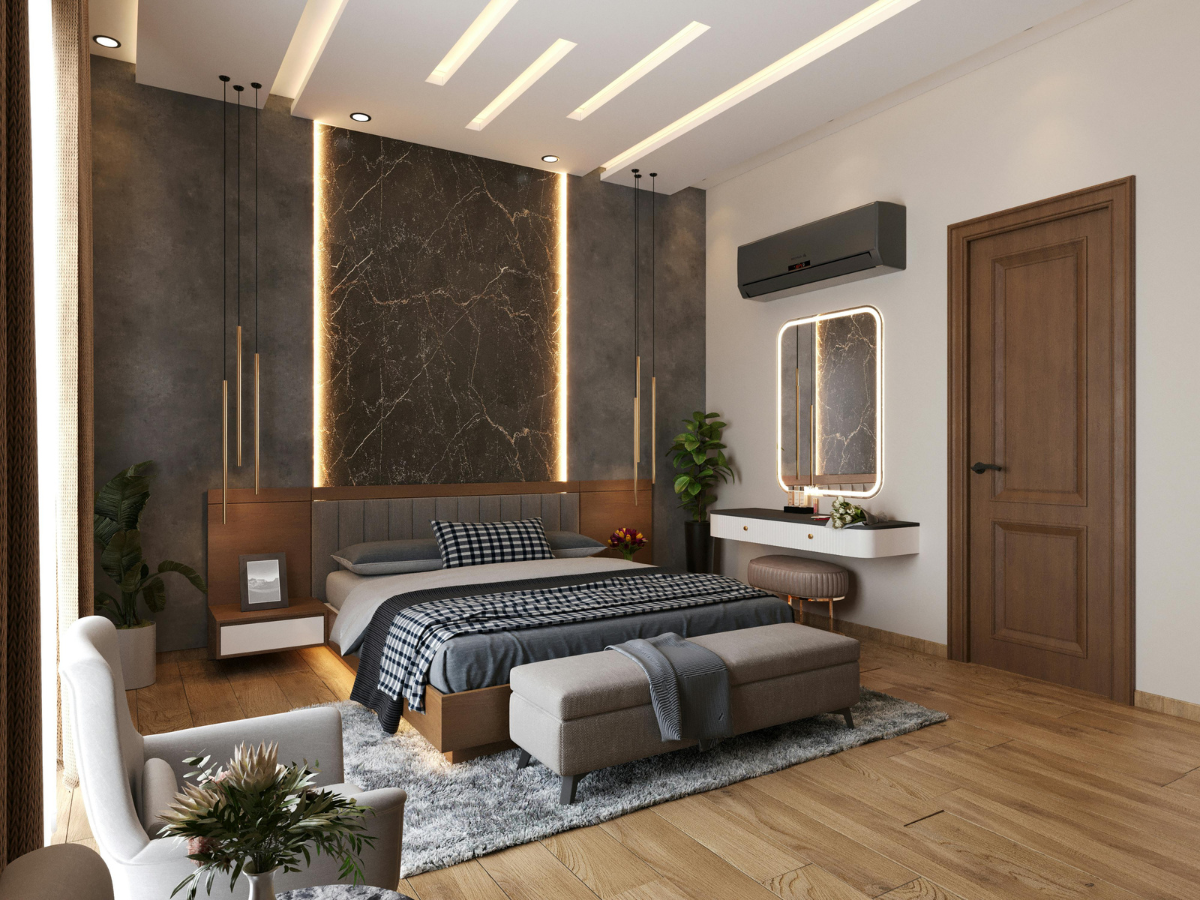
The flooring material itself is only part of what determines whether a bedroom feels warm and inviting. A hard surface such as hardwood, luxury vinyl, laminate, or tile can still feel comfortable when it is paired with the right underlayment, rugs, and heating system.
Likewise, even naturally soft flooring benefits from thoughtful choices about texture and insulation.
Rather than choosing bedroom flooring based on softness alone, consider how the entire floor assembly will feel underfoot, control noise, and perform throughout the year. This gives you more flexibility to choose a material you like without sacrificing comfort.
Use Area Rugs to Add Warmth Without Hiding the Floor
Area rugs are one of the simplest ways to soften hard bedroom flooring. They provide a warmer surface beside the bed, absorb sound, and introduce color or texture without permanently covering hardwood or other decorative flooring.
Placement makes a noticeable difference. A large rug extending beyond the sides and foot of the bed can visually anchor the sleeping area, while smaller runners work well when you only want softness where your feet typically touch the floor.
Material matters too. Wool is naturally insulating and resilient, while synthetic rugs can offer easier cleaning and a lower purchase price. Whatever material you choose, use an appropriate rug pad to reduce movement and add another layer of cushioning.
Rugs can be particularly useful when you want the appearance and maintenance advantages of hard flooring but still prefer the comfort traditionally associated with carpet.
Consider Underlayment When Installing Floating Floors
Underlayment is easy to overlook because it disappears once the flooring is installed, but it can influence how a bedroom feels and sounds.
Depending on the flooring system, a suitable underlayment may provide cushioning, reduce footfall noise, and create a thermal break between the finished floor and subfloor. This can be especially valuable with laminate and some floating engineered wood or luxury vinyl installations.
Not every flooring product requires a separate underlayment. Some planks have an attached pad, and manufacturers may specify which materials can be used underneath their products.
Installing an incompatible underlayment can affect performance or warranty coverage, so always follow the flooring manufacturer’s requirements.
For upstairs bedrooms, acoustic performance deserves particular attention. Reducing footfall noise can make the floor more comfortable not only for the person using the bedroom but also for anyone in the room below.
Is Radiant Floor Heating Worth Considering in a Bedroom?
Radiant floor heating can turn a naturally cool surface into a much more comfortable bedroom floor. Instead of heating the air from a single vent or radiator, the system delivers heat across the floor area, creating an even sensation of warmth underfoot.
It can be especially appealing beneath tile, which tends to feel cool because it readily conducts heat away from bare feet. Certain engineered wood, laminate, and luxury vinyl products may also be compatible with radiant heating, but compatibility should never be assumed.
Flooring manufacturers often specify limits for operating temperature, installation method, and approved heating systems. Solid hardwood can require particular care because repeated changes in heat and moisture can affect natural wood.
If radiant heating is part of a renovation, decide on it before the flooring installation begins. Retrofitting a heating system after a new floor has been installed can be considerably more complicated.
Choose Texture Based on How the Bedroom Is Used
Softness does not have to mean wall-to-wall carpet. Different materials can create different levels of comfort depending on where and how they are used.
A primary bedroom might combine engineered hardwood with a substantial rug beneath the bed. A child’s room could benefit from a softer, easy-to-clean rug that provides a comfortable place to sit or play. Carpet remains a strong option when continuous softness, insulation, and sound absorption are priorities.
Think about maintenance at the same time. Deep-pile rugs and plush carpet can feel luxurious but may require more cleaning than low-pile alternatives, particularly in homes with pets.
Don’t Overlook the Subfloor
If a bedroom floor feels unusually cold, noisy, uneven, or hard, the finished material may not be the only issue. The condition of the subfloor and what lies beneath it can affect the final result.
Before replacing bedroom flooring, have problems such as unevenness, movement, moisture, or inadequate preparation addressed. Installing a premium floor over a poor substrate rarely produces a premium result.
The most comfortable bedroom flooring is often created by combining several elements rather than relying on one material to do everything.
A suitable floor, properly prepared subfloor, compatible underlayment, well-placed rugs, and, where appropriate, radiant heating can create a bedroom that feels warmer, quieter, and more comfortable without limiting your design choices.
Bedroom Flooring Design Ideas, Colors, and Textures
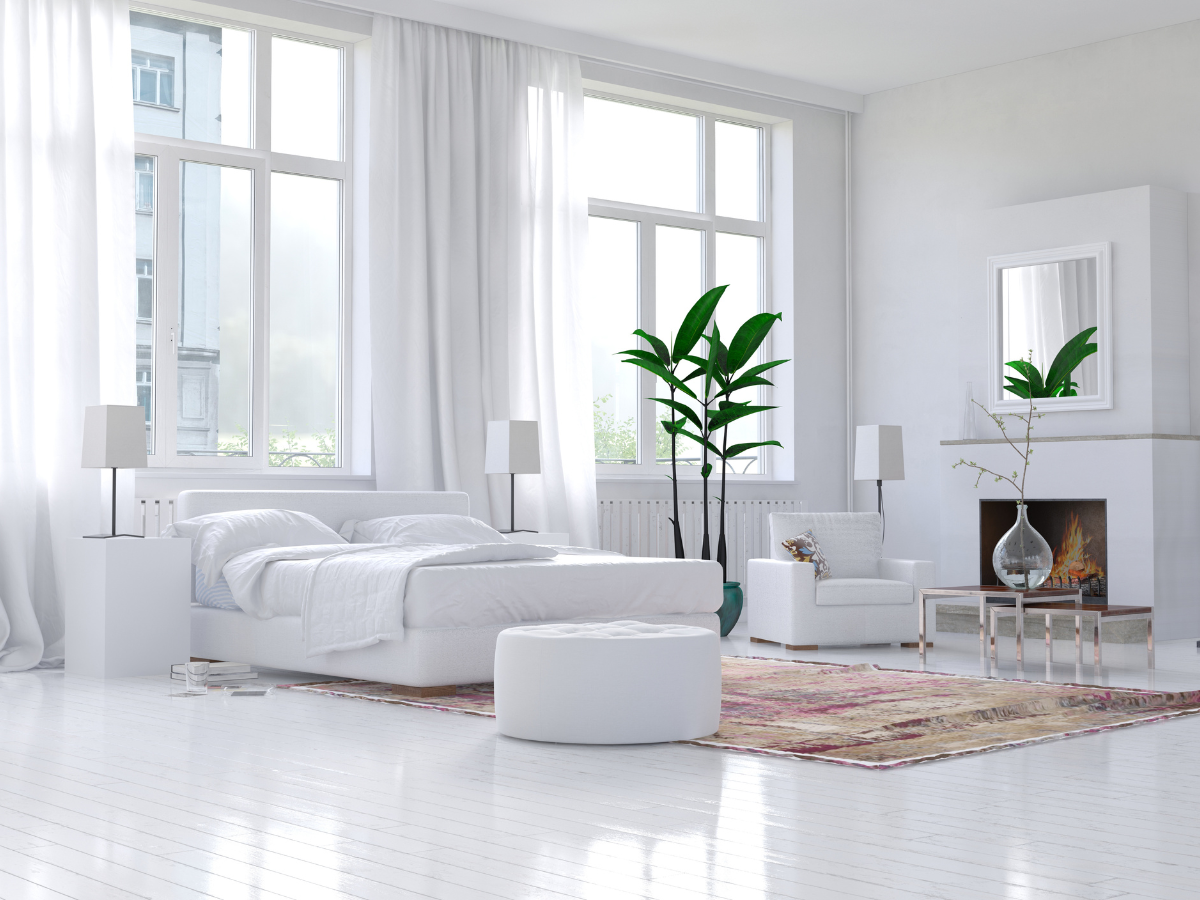
Bedroom flooring occupies a large visual area, so its color, grain, texture, and layout can influence the entire room. The right choice can make a small bedroom appear more open, give a large room greater warmth, or provide a quiet foundation for more expressive furniture and textiles.
Instead of treating flooring as a background decision, consider it alongside wall color, furniture finishes, natural light, and the atmosphere you want the room to have. A floor does not need to match everything else in the bedroom, but it should feel connected to the overall design.
Choose Flooring Colors Based on the Mood You Want
Color changes how bedroom flooring affects the space. Light, medium, and dark floors each create a noticeably different impression.
| Flooring Color | Visual Effect | Works Well With |
|---|---|---|
| Light oak, beige, or pale gray | Airy, relaxed, spacious | Scandinavian, coastal, minimalist interiors |
| Warm honey or medium brown | Comfortable, natural, inviting | Traditional, transitional, rustic styles |
| Deep brown or walnut tones | Rich, dramatic, grounded | Larger bedrooms and lighter furnishings |
| Natural carpet tones | Soft, understated, calming | Layered neutrals and cozy interiors |
| Muted colored carpet | Adds personality without dominating | Simple walls and restrained decor |
Lighter flooring can be particularly effective in bedrooms with limited natural light because it reflects more light around the room. Dark flooring creates stronger contrast and visual weight, which can work beautifully in larger rooms but may make a compact bedroom feel more enclosed.
Medium wood tones are among the easiest to decorate around because they sit between those two extremes and work with a broad range of furniture finishes.
Coordinate the Floor With Furniture, Not Just the Walls
Walls are relatively easy to repaint. Beds, dressers, built-ins, and flooring are much bigger commitments, so those permanent or expensive elements deserve more attention when developing a color palette.
Avoid trying to match wood furniture and wood flooring exactly. Slightly different versions of the same tone can sometimes look accidental. Instead, aim for complementary undertones or intentional contrast.
For example, dark walnut furniture can stand out against lighter oak flooring, while pale furniture can create contrast against a richer medium-brown floor. If several wood tones appear in the room, repeating one of them through smaller details can make the combination feel deliberate.
Undertones matter as well. Warm floors with golden or reddish notes tend to pair naturally with creams, warm whites, earthy greens, and other warm neutrals. Cooler gray-brown flooring can work more comfortably with crisp whites, blue-grays, and cooler palettes.
Use Plank Width and Direction to Shape the Room
Color is not the only design decision that affects how a bedroom floor looks. Plank dimensions and installation direction can change the perceived proportions of the space.
Wide planks generally create a cleaner, more expansive appearance because there are fewer seams across the floor. Narrower planks introduce more visual movement and can suit traditional interiors.
Plank direction deserves consideration too. Running boards along the longest dimension of a rectangular bedroom can emphasize its length, while carrying flooring continuously from an adjoining hallway can create a smoother transition between spaces.
Installation direction may also be affected by the flooring system, subfloor, and structural requirements, so visual preferences should be discussed with the installer before work begins.
Add Texture Without Making the Bedroom Feel Busy
Texture gives bedroom flooring depth, but more is not always better. Wire-brushed and hand-scraped wood surfaces introduce visible character that works particularly well in rustic, farmhouse, or relaxed interiors. Smooth hardwood creates a cleaner appearance suited to contemporary rooms.
Carpet introduces texture through pile height, fiber, and pattern, while wood-look laminate and luxury vinyl can reproduce varying degrees of grain and surface detail.
If the flooring already has strong grain variation or pattern, quieter bedding and furniture can prevent the room from becoming visually crowded. With a simpler floor, textiles provide an opportunity to introduce more texture.
Layer Rugs Over Hard Bedroom Flooring
An area rug can change both the appearance and feel of hardwood, engineered wood, laminate, vinyl, or tile without permanently covering it.
A large rug positioned beneath the bed can define the sleeping area and soften a spacious room. Smaller rugs or runners can add comfort beside the bed while leaving more of the bedroom flooring visible.
This is also an easy way to experiment with pattern. Geometric, vintage-inspired, striped, or textured rugs can add personality without committing the entire floor to a bold design.
View Flooring Samples in the Actual Bedroom
One of the easiest design mistakes is choosing a floor entirely under showroom lighting. A sample that appears warm and neutral in a store may look yellow, gray, or much darker once placed beside your bedroom walls and furniture.
Bring several samples home and look at them in morning light, afternoon light, and after the room’s lamps are switched on. Place them beside furniture as well as against the walls.
Good bedroom flooring design is less about following a particular trend and more about creating visual balance. When color, undertone, texture, plank scale, furniture, and textiles work together, the floor becomes part of the room’s design rather than simply the surface underneath it.
Bedroom Flooring Durability and Maintenance
Bedroom flooring generally experiences less wear than flooring in entryways, kitchens, or living rooms, but durability still matters. Furniture movement, pet claws, tracked-in grit, spills, sunlight, and everyday foot traffic can gradually affect the surface.
The difference is that bedrooms rarely need the toughest flooring available. They need a material whose durability matches the household and whose maintenance requirements are realistic for the homeowner.
That distinction can prevent overbuying. A lightly used guest bedroom and a child’s bedroom shared with a dog place very different demands on a floor.
Match Durability to How the Bedroom Is Used
Before comparing flooring specifications, consider what the room will experience over the next several years.
| Bedroom Situation | Durability Priorities |
|---|---|
| Primary bedroom | Long-term appearance, scratch resistance, repairability |
| Child’s bedroom | Stain resistance, easy cleaning, everyday durability |
| Bedroom with pets | Scratch resistance, moisture resistance, simple cleanup |
| Guest bedroom | Moderate durability with greater emphasis on appearance and budget |
| High-sunlight bedroom | Finish and color stability appropriate for the product |
This is also where long-term value becomes important. Some bedroom flooring can be repaired or refinished, while other materials are generally replaced once significant wear occurs.
Solid hardwood is particularly notable for its repair potential because many floors can be sanded and refinished, although the number of possible refinishes depends on the thickness and condition of the boards.
Some engineered hardwood can also be refinished, but this depends on the thickness of its real-wood wear layer.
Laminate and luxury vinyl typically cannot be refinished in the same way. Individual damaged planks may sometimes be replaceable, depending on the installation and availability of matching material.
Protect Hardwood From Scratches and Excess Moisture
Hardwood can last for decades when properly installed and maintained, but it benefits from preventative care.
Dust, sand, and small particles can act like abrasives as people walk across the floor. Regular vacuuming with a hard-floor attachment or cleaning with a soft broom helps prevent this gradual scratching.
Use felt protectors beneath beds, dressers, nightstands, and other furniture. When heavy furniture needs to be moved, lift it rather than dragging it across the boards.
Moisture should also be managed carefully. Clean spills promptly and use cleaning products recommended for the floor’s specific finish. Avoid saturating wood with water during cleaning.
Refinishing should be based on the floor’s actual condition rather than a fixed schedule. Minor surface wear may require less extensive treatment, while deeper scratches or widespread finish deterioration may eventually justify professional refinishing.
Keep Laminate Looking Good Without Over-Wetting It
Laminate is relatively easy to maintain, which makes it appealing for busy bedrooms. Routine vacuuming or sweeping removes grit before it can scratch the wear layer, while occasional cleaning with a manufacturer-approved product handles everyday marks.
The biggest mistake is assuming all laminate is waterproof. Moisture resistance varies by product, particularly around seams and edges.
Use only as much moisture as the manufacturer recommends and clean spills promptly. Steam mops may not be appropriate for many laminate floors because heat and moisture can affect the flooring or joints, so check the care instructions before using one.
Unlike hardwood, laminate generally cannot be sanded and refinished. Protecting its surface from the beginning is therefore especially worthwhile.
Maintain Carpet Before Dirt Becomes Embedded
Carpet requires a different maintenance strategy. Dirt that settles deep into the fibers can make carpet look worn even when the material itself is still in reasonable condition.
Vacuum regularly, paying particular attention to walkways around the bed and entrances to the room. Address spills quickly using a cleaning method appropriate for the carpet fiber and stain.
Periodic deeper cleaning can remove soil that routine vacuuming leaves behind. The appropriate method and frequency depend on the carpet material, household, warranty requirements, pets, and amount of use.
Furniture can also leave indentations in carpet. Furniture cups or suitable protectors beneath heavy pieces can help distribute the load.
Don’t Forget Luxury Vinyl and Tile
Luxury vinyl flooring is generally straightforward to maintain, but abrasive cleaners and unsuitable products can dull or damage its surface. Sweep or vacuum regularly, clean spills promptly, and follow the manufacturer’s recommendations for wet cleaning.
Tile itself is highly durable, but grout often needs more attention than the tile surface. Routine cleaning helps prevent discoloration, while cracked or deteriorating grout should be addressed before the problem spreads.
Prevent Damage Instead of Trying to Repair It Later
A few habits can extend the useful life of almost any bedroom flooring. Use furniture protectors, keep pet nails trimmed, deal with spills promptly, and place rugs in areas that receive concentrated wear when appropriate.
Save leftover planks, boards, or tiles after installation as well. If a section becomes damaged years later, having matching material available can make a localized repair much easier.
The best maintenance plan is ultimately the one suited to the specific floor you own. Following the manufacturer’s cleaning and care instructions protects both the material and, where applicable, its warranty.
With appropriate routine care, bedroom flooring can retain its appearance for years without turning maintenance into a constant chore.
Conclusion
Choosing the right bedroom flooring can make your space feel warmer, more comfortable, and better suited to your personal style. From the timeless character of hardwood to other inviting flooring options, the right material can bring the entire room together while providing the durability you need for everyday living.
Working with experienced flooring professionals can also help you find the best fit for your design preferences, lifestyle, and budget.
For expert installation and quality craftsmanship, choose Diaz Hardwood Floors. If you’re ready to create a cozier, more stylish bedroom, call 404-791-0444 to speak with the team at Diaz Hardwood Floors or request your free quote today.