Bamboo flooring has become a popular alternative to traditional hardwood, offering a clean, modern look along with an eco-friendly reputation.
But while it’s often praised for its sustainability and durability, it isn’t the ideal choice for every home or lifestyle. Before making a decision, it’s important to understand how it performs in everyday conditions.
If you’re wondering, “Is bamboo flooring right for you?” the answer depends on factors like moisture exposure, foot traffic, maintenance expectations, and your overall design goals. Different types of bamboo flooring also vary in strength, appearance, and long-term performance.
This guide explores the key advantages, potential drawbacks, and practical considerations to help you decide whether bamboo flooring is the right fit for your home.
Bamboo Flooring Explained: Everything You Need to Know
What Are the Key Benefits and Drawbacks of Bamboo Flooring?
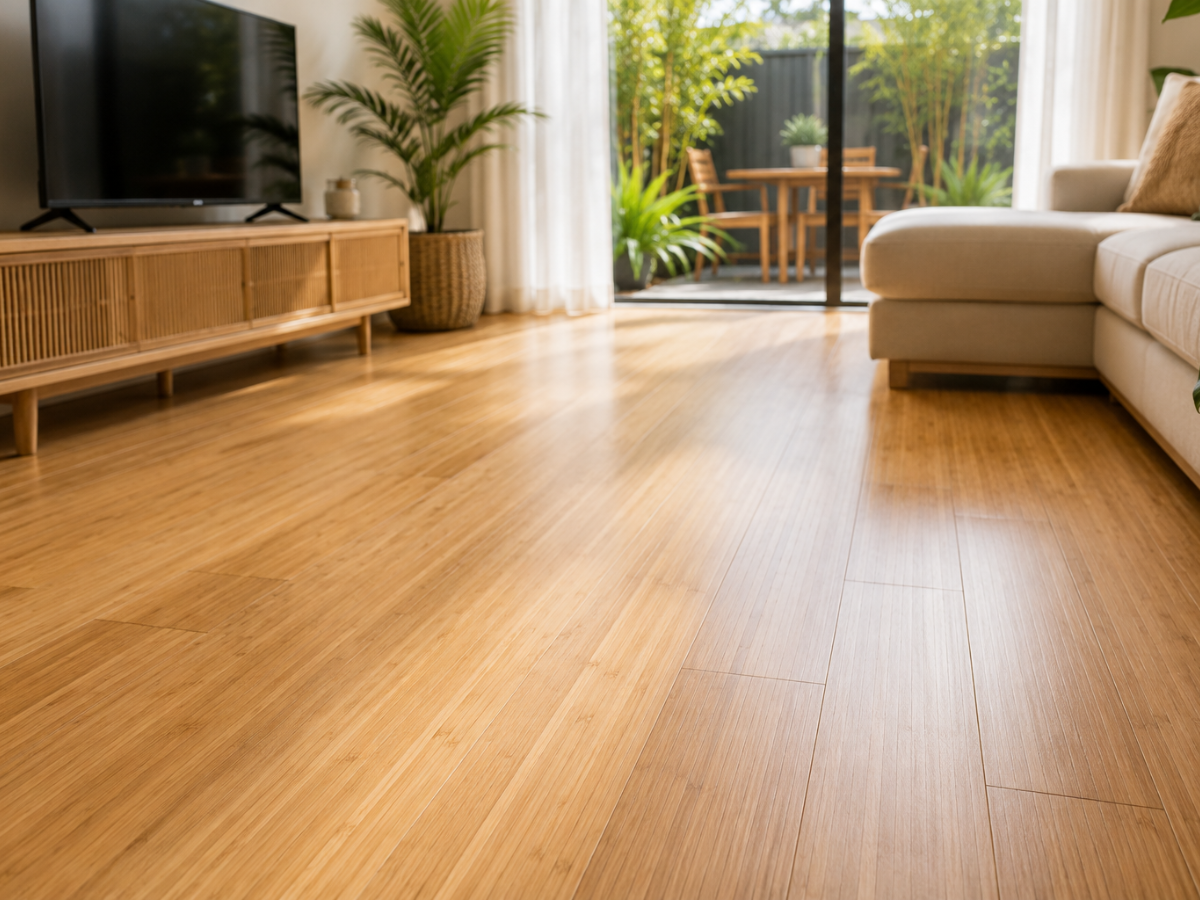
If you’re comparing flooring materials, it’s important to weigh both the strengths and limitations before making a decision.
Bamboo flooring has become increasingly popular because it combines natural beauty with impressive durability and sustainability. Like any flooring material, however, it performs best in certain environments and may not be the ideal choice for every home.
Why Do Homeowners Choose Bamboo Flooring?
One of the biggest reasons homeowners choose bamboo flooring is its sustainability. Unlike traditional hardwood trees that can take decades to mature, bamboo is a fast-growing grass that typically reaches harvest age within three to five years.
This rapid growth makes it a renewable resource and an appealing option for environmentally conscious buyers.
Durability is another major advantage. High-quality strand-woven bamboo flooring is exceptionally hard and can resist everyday wear, making it suitable for busy households with children or pets.
While performance varies by manufacturer and construction method, premium products can be as durable as, or even harder than, many traditional hardwood species.
Bamboo flooring is also valued for its distinctive appearance. Its clean grain patterns and wide range of finishes allow it to complement everything from contemporary interiors to more traditional homes.
Whether you prefer light natural tones or darker stained finishes, bamboo offers plenty of design flexibility without sacrificing its natural character.
What Are the Potential Drawbacks to Consider?
Although bamboo flooring has many benefits, it is not completely maintenance-free. Like most hard surface flooring, it can develop scratches or dents over time, particularly in high-traffic areas or if heavy furniture is moved without protective pads.
Using rugs in busy spaces and adding felt pads beneath furniture can help preserve the finish.
Moisture is another important consideration. Bamboo flooring performs well under normal indoor conditions, but excessive humidity or standing water can cause expansion, warping, or discoloration if the material is not properly manufactured or installed.
For this reason, it is generally better suited to living rooms, bedrooms, and home offices than areas with constant moisture exposure, such as bathrooms or laundry rooms.
Quality also varies significantly between manufacturers. Lower-cost products may use weaker adhesives or less durable finishes, which can affect long-term performance. Investing in high-quality bamboo flooring from a reputable supplier often results in better durability, improved moisture resistance, and a longer lifespan.
Is Bamboo Flooring the Right Choice?
For many homeowners, bamboo flooring offers an excellent balance of style, strength, and environmental responsibility. It provides the warm appearance of natural wood while supporting more sustainable building practices, making it an attractive alternative to traditional hardwood.
The key is choosing the right product for your home and maintaining it properly. If your space has stable indoor humidity, moderate foot traffic, and you’re willing to follow basic maintenance practices, bamboo flooring can provide years of reliable performance while enhancing the look of your interior.
By understanding both its advantages and limitations, you can decide whether this versatile flooring material is the best fit for your lifestyle and design goals.
How Does Bamboo Flooring Compare to Hardwood and Laminate Alternatives?
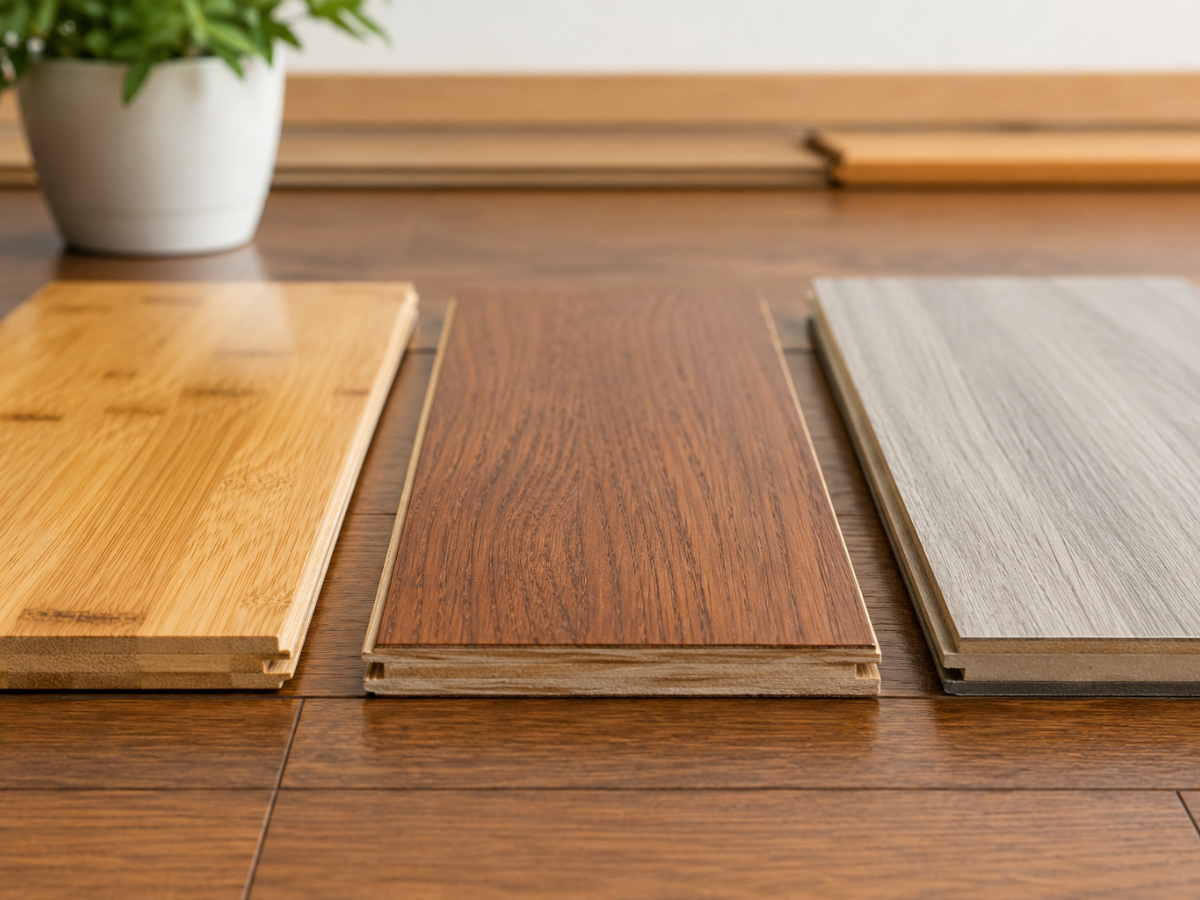
Choosing between bamboo, hardwood, and laminate flooring often comes down to balancing appearance, durability, budget, and maintenance. While each material has its strengths, bamboo flooring offers a unique combination of natural beauty and practical performance that makes it a strong contender for many homes.
How Does Bamboo Flooring Compare in Cost and Value?
For homeowners looking for a natural flooring material without the premium price of certain hardwood species, bamboo flooring often represents good value.
While prices vary depending on the product quality and installation method, bamboo is generally more affordable than many high-end hardwood options, yet more premium than basic laminate flooring.
Its long lifespan also contributes to its overall value. A well-installed, high-quality bamboo floor can last for many years with proper care, making the initial investment worthwhile.
Laminate flooring may have a lower upfront cost, but it typically cannot be refinished if it becomes damaged, whereas some bamboo flooring products can be refinished depending on their thickness and construction.
Which Flooring Option Offers Better Durability?
Durability is another important factor when comparing flooring materials. High-quality strand-woven bamboo flooring is exceptionally hard and stands up well to everyday foot traffic, making it a practical choice for busy households.
Traditional hardwood is also highly durable but can vary significantly depending on the wood species. Softer woods may scratch or dent more easily than premium bamboo products.
Laminate flooring is resistant to scratches thanks to its protective wear layer, making it suitable for homes with pets or children. However, if moisture penetrates the surface or the boards become damaged, repairs can be more difficult.
Bamboo flooring generally performs well under normal household conditions, although, like hardwood, it should not be exposed to excessive moisture or standing water.
How Do Installation and Maintenance Compare?
Installation requirements differ between the three materials. Many bamboo flooring products are available with click-lock systems that allow for floating installation, making them relatively straightforward for experienced DIY homeowners.
Other bamboo products may require glue-down or nail-down installation, similar to hardwood flooring.
Laminate flooring is often considered the easiest option to install because most products feature simple interlocking planks. Hardwood installation is typically the most labor-intensive and may require professional installation for the best results.
In terms of maintenance, bamboo flooring requires regular sweeping or vacuuming and occasional cleaning with products recommended by the manufacturer.
Hardwood follows a similar maintenance routine but may need refinishing over time to restore its appearance. Laminate is easy to clean but cannot usually be sanded or refinished once its wear layer has been damaged.
Ultimately, bamboo flooring offers an appealing middle ground between hardwood and laminate. It delivers the authentic look of a natural material, impressive durability, and competitive pricing while remaining easier to install than many traditional hardwood floors.
For homeowners seeking a flooring solution that balances performance, style, and sustainability, bamboo flooring is well worth considering alongside other popular flooring options.
How Durable Is Bamboo Flooring and What Maintenance Does It Require?
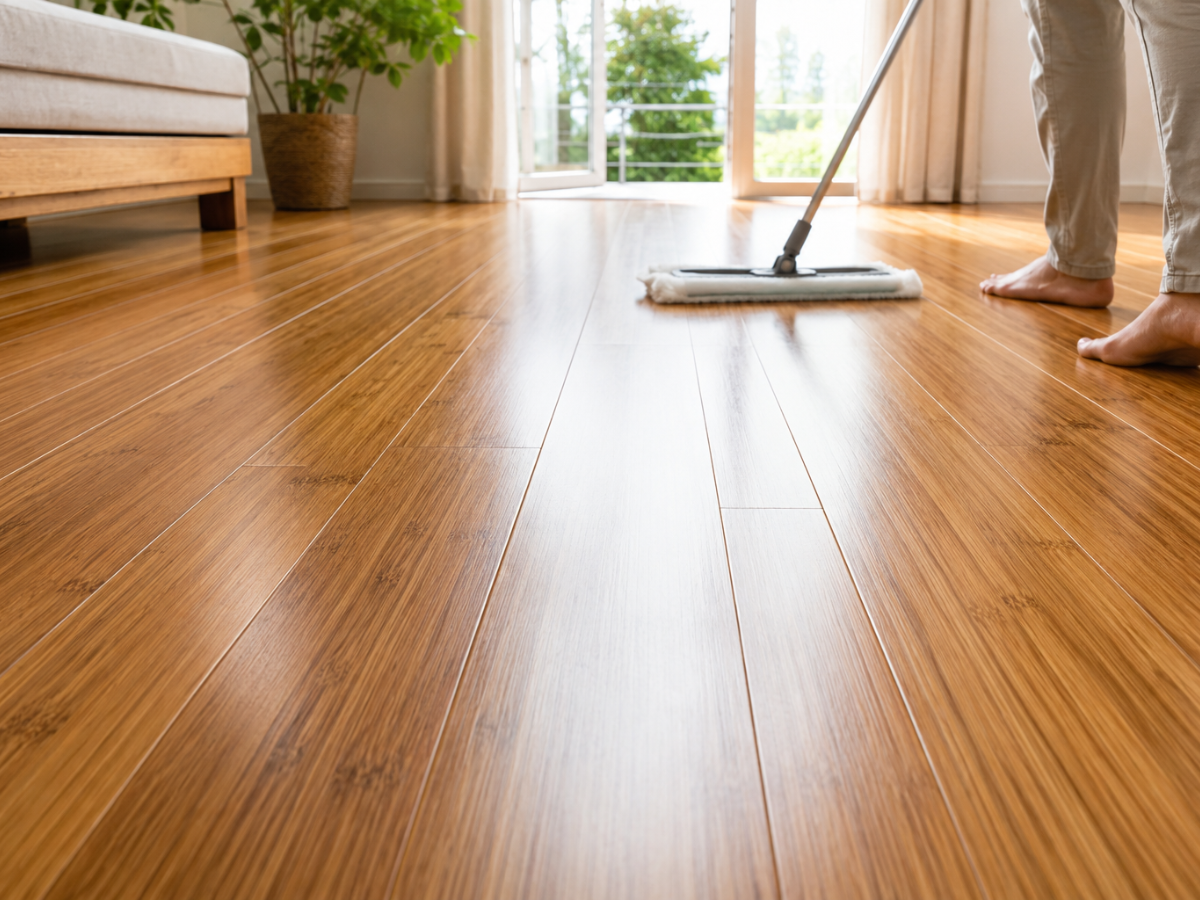
Durability is one of the biggest reasons homeowners choose bamboo flooring. When manufactured to a high standard and properly maintained, it can withstand years of daily use while retaining its natural appearance.
However, like any flooring material, its lifespan depends on the quality of the product, the installation, and the care it receives over time.
How Durable Is Bamboo Flooring in Everyday Use?
Many premium bamboo flooring products are exceptionally durable, particularly strand-woven varieties. These floors often achieve Janka hardness ratings comparable to, or even higher than, many traditional hardwoods, making them well suited to busy households with children, pets, or frequent foot traffic.
Beyond its hardness, bamboo flooring naturally resists insects and performs well under normal indoor conditions. However, durability can vary depending on the manufacturing process and the quality of the adhesives and finishes used.
Choosing flooring from a reputable manufacturer is one of the best ways to ensure long-term performance.
While bamboo flooring is tougher than many people expect, it is not indestructible. Heavy furniture, sharp objects, and grit tracked in from outdoors can still cause scratches or dents. Using furniture pads, placing mats at entrances, and sweeping regularly can help minimize everyday wear.
What Maintenance Does Bamboo Flooring Require?
One of the advantages of bamboo flooring is that it is relatively easy to maintain. Routine care typically involves sweeping with a soft broom, using a vacuum designed for hard floors, or dust mopping to remove dirt and debris that could scratch the surface.
For deeper cleaning, a lightly damp microfiber mop is usually sufficient. It’s important to avoid excessive water, steam mops, or harsh chemical cleaners, as too much moisture can damage the flooring over time. Instead, use cleaning products recommended by the flooring manufacturer to protect the finish.
Maintaining stable indoor humidity also helps preserve bamboo flooring. Like other natural flooring materials, bamboo can expand or contract when exposed to significant changes in moisture levels. Keeping indoor humidity within the recommended range can reduce the risk of gaps, warping, or swelling.
Can Bamboo Flooring Be Refinished?
Depending on the product, bamboo flooring may be refinished to restore its appearance after years of use. Solid and thicker engineered bamboo floors can often be sanded and refinished, helping remove surface scratches and revive the original finish.
However, thinner engineered products may not be suitable for refinishing, so it’s important to check the manufacturer’s specifications before purchasing.
Periodic refinishing is not required for every floor, but it can extend the lifespan of high-quality bamboo flooring and keep it looking its best for decades.
With regular cleaning, proper humidity control, and basic preventative care, bamboo flooring can remain attractive and durable for many years.
Its combination of strength, low maintenance requirements, and natural beauty makes it a practical flooring solution for homeowners seeking a long-lasting alternative to traditional hardwood.
Bamboo Flooring Types Compared: Hardness, Cost, and Performance
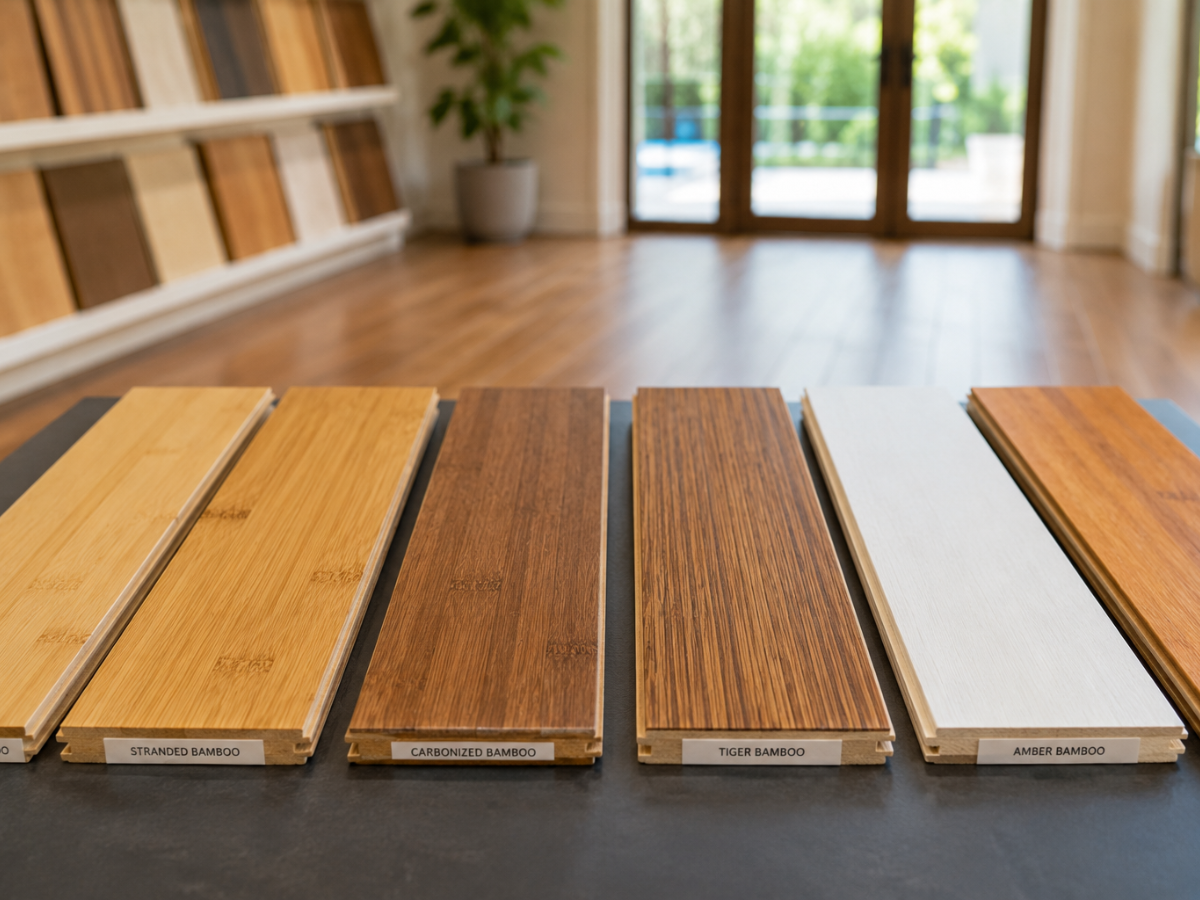
Not all bamboo flooring performs the same. Manufacturing methods, construction, and finishing processes all influence how well a floor stands up to daily wear, moisture, and long-term use.
Understanding the differences between the most common bamboo flooring types can help you choose the option that best fits your budget, lifestyle, and design goals.
The comparison below highlights the key characteristics of each type, including relative hardness, moisture resistance, refinishing potential, and typical price range. Hardwood species are also included for comparison, making it easier to see how bamboo flooring measures up against traditional wood flooring.
| Flooring Type | Janka Hardness (lbf) | Typical Harvest Age | Moisture Resistance | Refinishable | Best For | Approx. Cost (per sq. ft.) |
|---|---|---|---|---|---|---|
| Strand-Woven Bamboo | 3,000-3,800 | 3-5 years | High | Yes (if 3/8 inch or thicker) | High-traffic homes, families with children or pets | $3-$8 |
| Horizontal Bamboo | 1,380-1,600 | 3-5 years | Moderate | Yes (solid products) | Living rooms, bedrooms, light to moderate traffic | $2-$5 |
| Vertical Bamboo | 1,380-1,600 | 3-5 years | Moderate | Yes (solid products) | Contemporary interiors, bedrooms, living spaces | $2-$5 |
| Engineered Bamboo | Varies by construction | 3-5 years | Moderate to High | Limited | Floating floors and areas with mild humidity changes | $3-$6 |
| Carbonized Bamboo | 900-1,200 | 3-5 years | Moderate | Yes (solid products) | Decorative spaces where appearance is the priority | $2-$5 |
| Red Oak (Reference) | 1,290 | 80-100 years | Low | Yes | Traditional hardwood flooring | $4-$8 |
| White Oak (Reference) | 1,360 | 80-100 years | Moderate | Yes | Premium hardwood applications | $5-$10 |
| Brazilian Cherry (Reference) | 2,350 | 80-100 years | Moderate | Yes | Premium, high-durability hardwood flooring | $7-$14 |
How Should You Use This Comparison?
If maximum durability is your priority, strand-woven bamboo flooring is typically the strongest choice. Its manufacturing process compresses bamboo fibers under high pressure, resulting in exceptional hardness that often exceeds many hardwood species.
Horizontal and vertical bamboo flooring provide a more traditional bamboo appearance and are well suited for bedrooms, living rooms, and other areas with moderate foot traffic.
Engineered bamboo flooring offers greater installation flexibility, particularly over concrete subfloors or in homes where humidity levels fluctuate slightly. Carbonized bamboo develops a richer, darker color through heat treatment, although this process generally makes it somewhat softer than natural bamboo.
By comparing hardness, moisture resistance, refinishing potential, and cost side by side, homeowners can select the bamboo flooring product that best matches their home’s needs while balancing appearance, performance, and budget.
Why Is Bamboo Flooring Considered an Eco-Friendly and Sustainable Option?
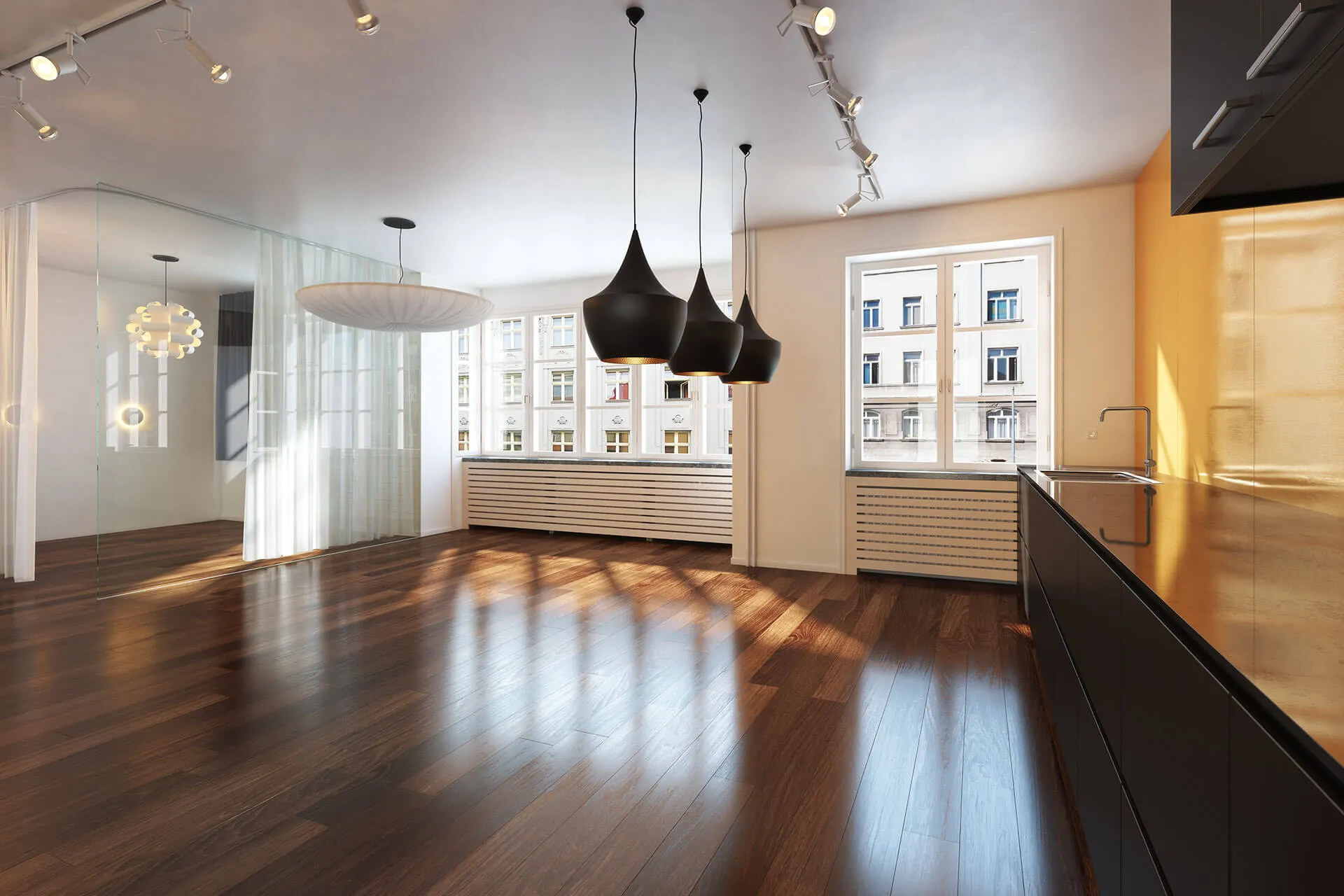
Sustainability is one of the main reasons homeowners choose bamboo flooring over traditional hardwood. While appearance and durability are important, many buyers also want flooring that has a lower environmental impact.
Bamboo meets that goal by growing quickly, requiring relatively few natural resources, and supporting more sustainable harvesting practices when sourced responsibly.
What Makes Bamboo a Renewable Flooring Material?
Unlike hardwood trees that can take several decades to mature, bamboo is actually a fast-growing grass that typically reaches harvest maturity within three to five years.
Because the root system remains intact after harvesting, the plant naturally regenerates without needing to be replanted. This rapid growth cycle makes bamboo flooring a far more renewable option than many conventional wood flooring products.
Bamboo cultivation also tends to require fewer resources than traditional timber production. In many regions, bamboo grows with minimal irrigation and can thrive without heavy pesticide use, reducing its overall environmental footprint.
These characteristics have made bamboo flooring an increasingly popular choice among homeowners looking to incorporate more sustainable materials into their homes.
Another environmental benefit is bamboo’s ability to absorb carbon dioxide while releasing oxygen as it grows. Although every plant contributes differently depending on growing conditions, bamboo’s fast growth allows it to capture carbon efficiently during its lifecycle, supporting healthier ecosystems.
How Do Responsible Harvesting and Manufacturing Matter?
Not all bamboo flooring products offer the same level of sustainability. Responsible harvesting practices play a major role in ensuring bamboo forests remain healthy and productive for future generations.
Well-managed harvesting allows mature stalks to be removed while younger plants continue growing, preserving the long-term health of the bamboo stand.
Research into sustainable harvesting methods continues to improve how bamboo is cultivated and collected, balancing environmental protection with the need for reliable production. These practices help maximize yield while minimizing ecological disruption, making bamboo an increasingly viable renewable resource.
When shopping for bamboo flooring, it’s also worth looking for products that carry certifications from recognized organizations or manufacturers that clearly document their sourcing practices.
Certifications related to responsible forestry and low-emission manufacturing can provide additional confidence that the flooring has been produced with environmental considerations in mind.
Is Bamboo Flooring a Sustainable Choice for Your Home?
For many homeowners, bamboo flooring offers an appealing combination of environmental responsibility, durability, and modern style. Its renewable nature, relatively low resource requirements, and long service life make it an attractive alternative to many traditional flooring materials.
Of course, sustainability depends on more than just the raw material. Choosing high-quality bamboo flooring from reputable manufacturers ensures you’re investing in a product that is built to last, reducing the need for frequent replacement and lowering long-term environmental impact.
When responsibly sourced and properly maintained, bamboo flooring provides a practical way to create a beautiful home while supporting more sustainable building practices.
For homeowners who value both performance and environmental stewardship, it remains one of the most compelling natural flooring options available today.
What Sustainability Certifications and Environmental Benefits Does Bamboo Flooring Have?
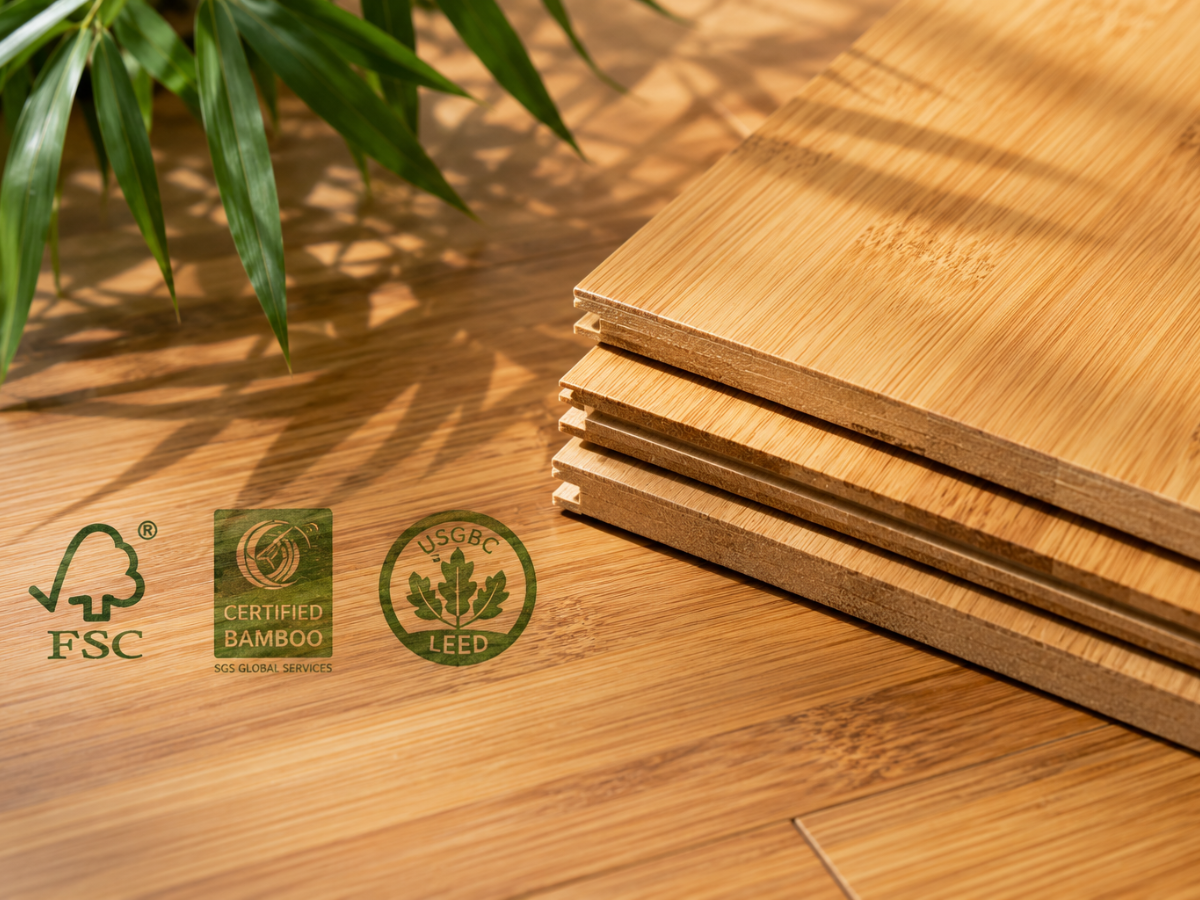
For homeowners who prioritize environmentally responsible building materials, bamboo flooring offers more than just a renewable source of raw material.
Many products are manufactured with sustainability standards and indoor air quality in mind, making it easier to choose flooring that supports both your home and the environment.
Which Certifications Should You Look For?
Not all bamboo flooring is produced the same way, so certifications can help you identify products that meet recognized environmental and manufacturing standards.
One of the most widely recognized certifications is the Forest Stewardship Council (FSC), which verifies that materials come from responsibly managed sources and are harvested using sustainable practices.
While FSC certification is more commonly associated with wood products, some bamboo flooring manufacturers also obtain this certification to demonstrate responsible sourcing.
Homeowners should also pay attention to certifications related to indoor air quality. Many high-quality bamboo flooring products are manufactured with low-VOC (volatile organic compound) adhesives and finishes.
Low-VOC products release fewer airborne chemicals, helping maintain healthier indoor air, particularly in homes with children, pets, or individuals who are sensitive to strong odors or chemical emissions.
Looking for reputable certifications and transparent manufacturing information gives buyers greater confidence that their bamboo flooring meets both environmental and quality standards.
What Are the Environmental Benefits of Bamboo Flooring?
Beyond certifications, bamboo flooring offers several environmental advantages throughout its lifecycle. Because bamboo grows much faster than traditional hardwood trees, it can be harvested on a much shorter cycle while continuing to regenerate from its existing root system.
This reduces pressure on slower-growing forests and supports more sustainable production.
Many bamboo plantations also require relatively little irrigation and fewer pesticides than some other commercial crops, further reducing their environmental impact.
Combined with responsible harvesting methods, these characteristics make bamboo flooring an appealing choice for homeowners seeking renewable building materials.
The durability of bamboo flooring also contributes to its sustainability. A long-lasting floor requires fewer replacements over time, reducing material consumption and waste. Choosing a high-quality product that can withstand years of daily use is often just as important as selecting a renewable material in the first place.
Why Certifications Matter When Buying Bamboo Flooring
While bamboo itself is a renewable resource, the overall environmental impact depends on how the flooring is manufactured. Production methods, adhesives, finishes, and transportation all influence a product’s sustainability profile.
That’s why it’s worth researching manufacturers and looking for certifications that verify responsible sourcing, low chemical emissions, and quality manufacturing practices.
These credentials help distinguish premium bamboo flooring products from lower-quality alternatives that may not meet the same environmental standards.
When combined with responsible production and proper installation, bamboo flooring offers an attractive balance of sustainability, durability, and style.
For homeowners looking to reduce their environmental footprint without sacrificing performance or design, certified bamboo flooring is a practical and environmentally conscious investment.
How Does Bamboo Flooring’s Carbon Footprint Compare to Other Sustainable Flooring Materials?
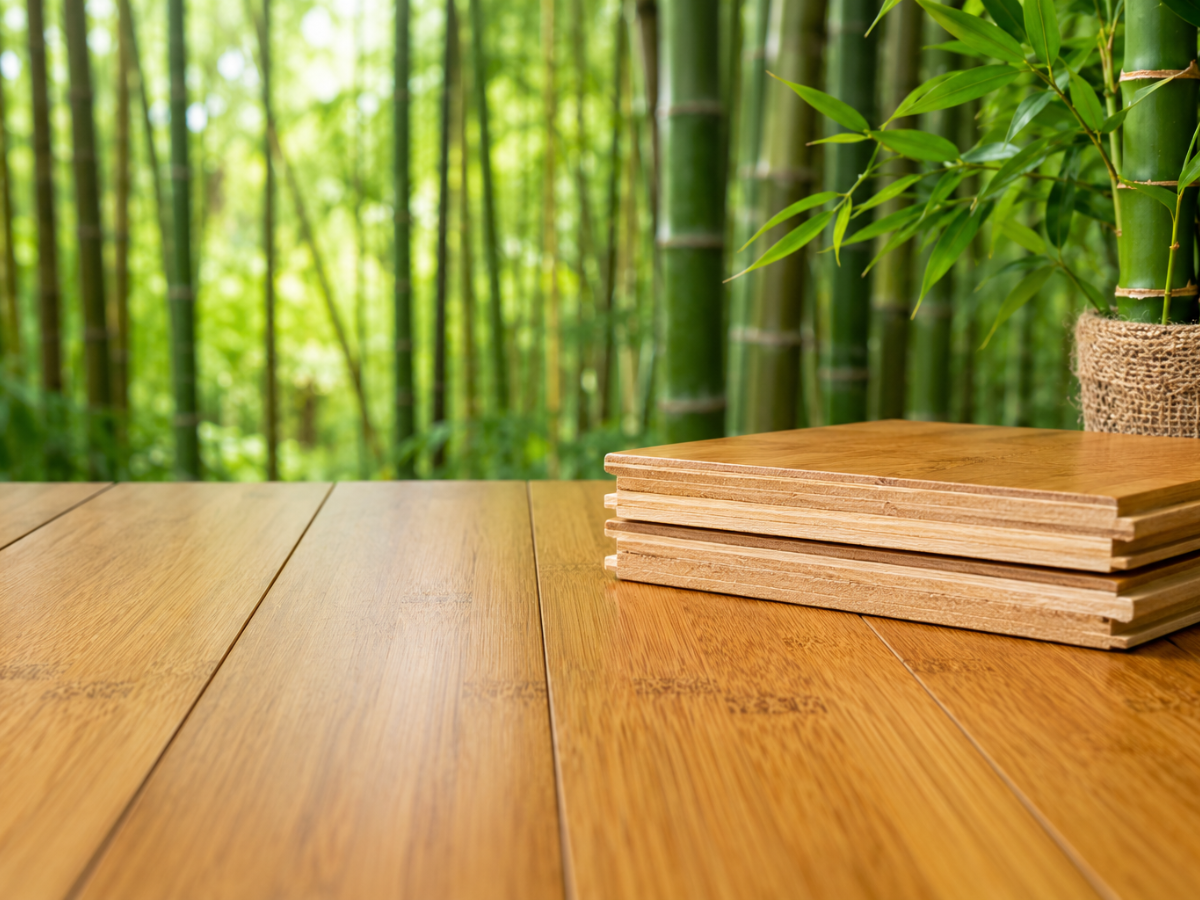
For homeowners looking to reduce the environmental impact of a renovation, comparing the carbon footprint of different flooring materials is an important step.
While no flooring product is completely impact-free, bamboo flooring is widely recognized as one of the more sustainable natural options thanks to its rapid growth, renewability, and long service life.
Why Does Bamboo Flooring Have a Lower Carbon Footprint?
One of the biggest environmental advantages of bamboo flooring is the speed at which bamboo grows. Unlike hardwood trees that often require several decades to reach maturity, bamboo can typically be harvested within three to five years.
Because it regenerates from its existing root system after harvesting, there is no need to replant entire forests after each harvest.
This fast growth cycle allows bamboo to be produced more efficiently while placing less pressure on natural forests. During its growth, bamboo also absorbs carbon dioxide and releases oxygen, contributing to the natural carbon cycle.
While manufacturing and transportation still generate emissions, the renewable nature of bamboo helps offset part of its overall environmental impact.
The durability of bamboo flooring further contributes to its sustainability. A floor that lasts for many years requires fewer replacements, reducing the demand for additional raw materials and manufacturing over time.
How Does Bamboo Compare to Hardwood and Other Flooring Materials?
Compared with traditional hardwood flooring, bamboo flooring generally has a smaller environmental footprint because it reaches harvest maturity much faster.
Harvesting hardwood often requires decades of forest growth before replacement trees become viable, whereas bamboo can be harvested multiple times within the same period while continuing to regenerate naturally.
Laminate flooring presents a different comparison. Although laminate can make efficient use of wood fibers and is often budget-friendly, it relies on manufactured composite materials and synthetic resins.
Bamboo flooring, by contrast, contains a greater proportion of renewable natural material, making it an appealing choice for homeowners who prefer products with a more natural composition.
Other sustainable flooring options, such as cork or reclaimed wood, also offer environmental benefits, and the best choice often depends on the specific priorities of the homeowner.
Factors such as transportation distance, manufacturing methods, product lifespan, and certifications all influence the overall environmental impact of any flooring material.
Looking Beyond the Raw Material
While bamboo flooring has strong environmental credentials, it’s important to remember that sustainability extends beyond the bamboo itself. Manufacturing practices, adhesives, finishes, shipping, and installation all contribute to a product’s overall carbon footprint.
Choosing bamboo flooring from manufacturers that use responsible sourcing, low-emission production methods, and certified sustainable practices helps maximize its environmental benefits.
Combined with its durability and renewable nature, these factors make bamboo flooring one of the strongest options for homeowners seeking a balance between performance, aesthetics, and sustainability.
For those aiming to create a more environmentally responsible home, bamboo flooring stands out as a practical alternative that delivers lasting value while helping reduce the long-term environmental impact of a flooring project.
What Should You Know About Installation Methods and Cost Considerations for Bamboo Flooring?
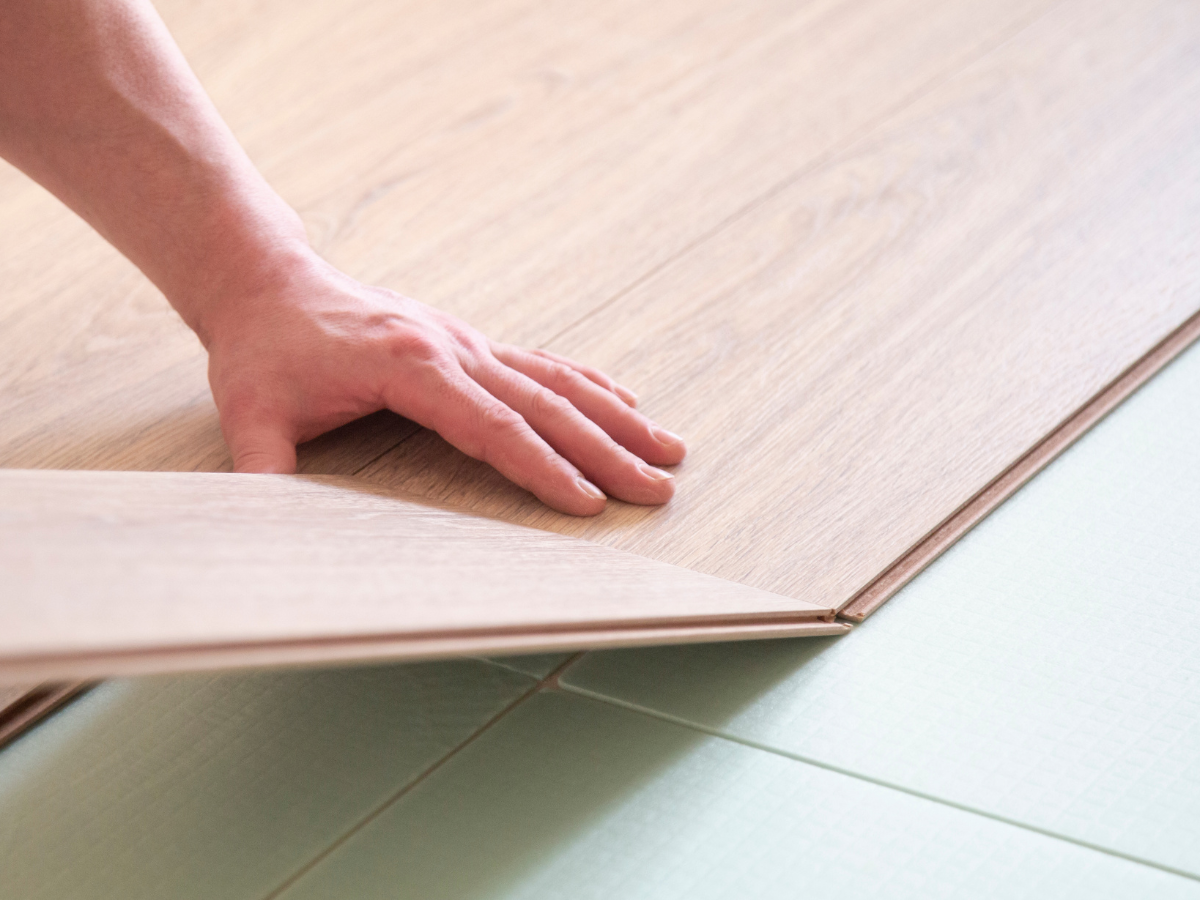
Before investing in bamboo flooring, it’s helpful to understand how it is installed and what factors influence the overall cost.
While bamboo is often considered a cost-effective alternative to traditional hardwood, the final price depends on more than just the flooring itself. Installation method, subfloor preparation, and product quality all play a role in the total investment.
Which Installation Method Is Best for Bamboo Flooring?
Bamboo flooring can be installed using several different methods, with the right choice depending on the type of flooring and the condition of the existing subfloor.
Floating installations are among the most popular options for engineered bamboo flooring. Many products feature click-lock edges that allow the planks to connect without being permanently attached to the subfloor. This method is generally faster to install and is often suitable for experienced DIY homeowners.
Glue-down installation is commonly used for both engineered and some solid bamboo flooring products. This approach creates a stable, secure floor and is frequently recommended for concrete subfloors. However, it requires careful preparation and precise installation to achieve the best results.
Nail-down installation is another option, particularly for solid bamboo flooring installed over plywood or wooden subfloors. Although it provides a traditional, durable installation, it is typically more labor-intensive and is often best left to experienced flooring professionals.
Selecting the proper installation method helps ensure that bamboo flooring performs well and maintains its appearance for years to come.
What Factors Affect the Cost of Bamboo Flooring?
The cost of bamboo flooring varies depending on the product quality, construction method, and finish. In general, homeowners can expect material costs to range from approximately $2 to $6 per square foot, although premium strand-woven products and specialty finishes may cost more.
Installation expenses are influenced by several additional factors. The size of the project is an obvious consideration, but the condition of the subfloor can also have a significant impact. If the existing floor requires leveling, moisture barriers, or repairs before installation, labor and material costs will increase.
The installation method itself also affects pricing. Floating floors are often quicker and less expensive to install than glue-down or nail-down systems, which require additional materials and more installation time.
How Can You Budget for a Bamboo Flooring Project?
When planning a flooring project, it’s important to consider the total cost rather than focusing only on the price per square foot.
In addition to the flooring material, your budget should include underlayment if required, trim and transition pieces, adhesives or fasteners, and professional installation if you choose not to install the flooring yourself.
Investing in high-quality bamboo flooring may cost more initially, but it often provides better durability, improved finishes, and longer-lasting performance. Combined with proper installation and routine maintenance, premium bamboo flooring can deliver excellent value over its lifespan.
By understanding the available installation methods and the factors that influence pricing, homeowners can plan their project more accurately and choose a bamboo flooring solution that fits both their budget and long-term expectations.
Conclusion
Bamboo flooring offers a unique combination of natural beauty, durability, and sustainability, making it an appealing option for many homeowners.
By considering factors such as your lifestyle, maintenance preferences, and design goals, you can determine whether bamboo flooring is the right fit for your home.
Working with experienced flooring professionals can help you compare your options and choose a solution that delivers both lasting performance and timeless style.
For expert flooring installation and personalized guidance, choose Diaz Hardwood Floors. If you’re ready to explore bamboo flooring or other beautiful flooring options for your home, call 404-791-0444 to speak with the team at Diaz Hardwood Floors or request your free quote today.