
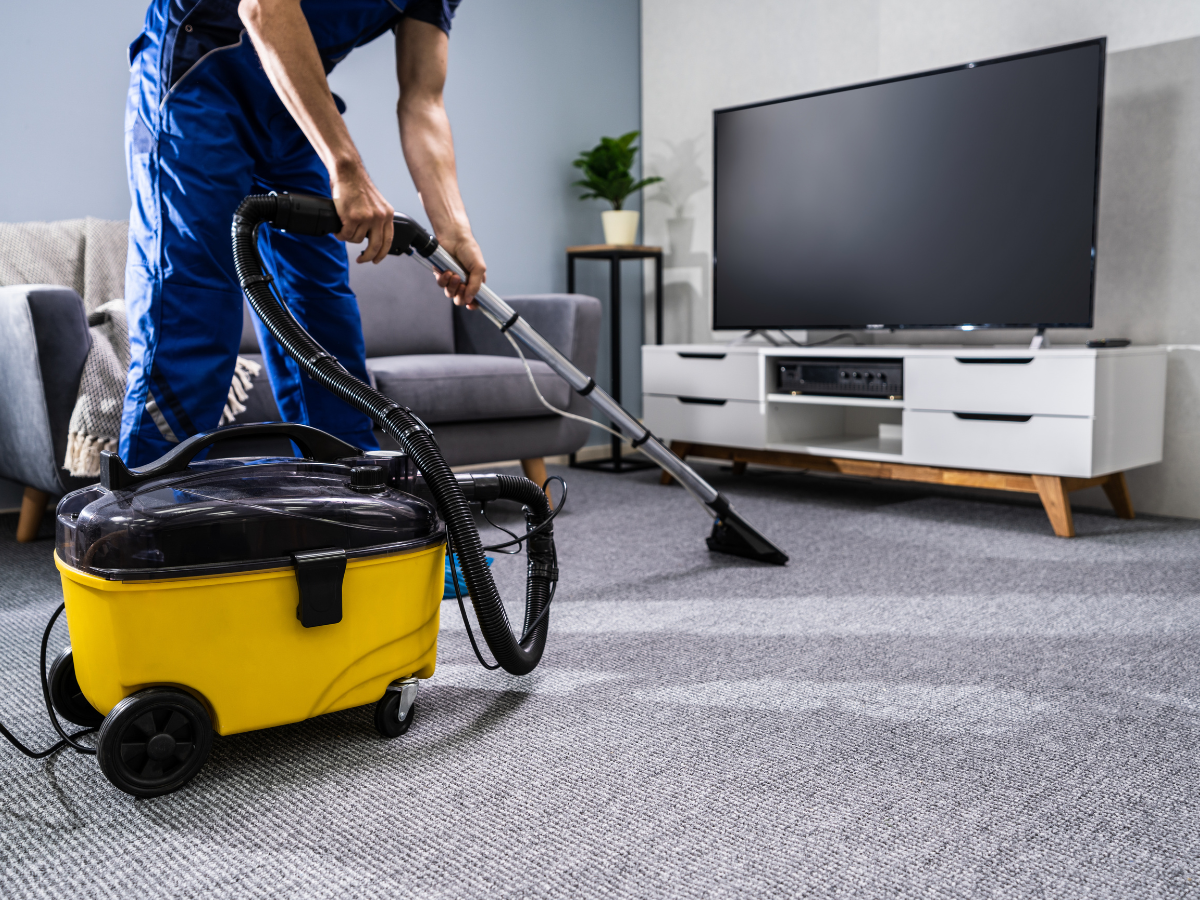
Carpets add warmth, comfort, and style to a home, but they also collect dirt, allergens, and everyday wear that can shorten their lifespan if left unchecked. Regular care does more than improve appearance. It helps preserve carpet fibers, maintain indoor air quality, and protect your investment for years to come.
Expert carpet cleaning and care combines consistent maintenance with the right cleaning methods for your carpet’s material, level of use, and household needs.
From routine vacuuming and stain removal to deep cleaning and preventative measures, adopting the right habits can keep your carpets looking fresh while reducing long-term damage.
This guide shares effective cleaning and maintenance strategies to help you extend the life of your carpets, create a healthier living environment, and keep every room looking its best.
Carpet Cleaning Tips for Removing Everyday Stains
What Are the Best Methods for Removing Common Carpet Stains?
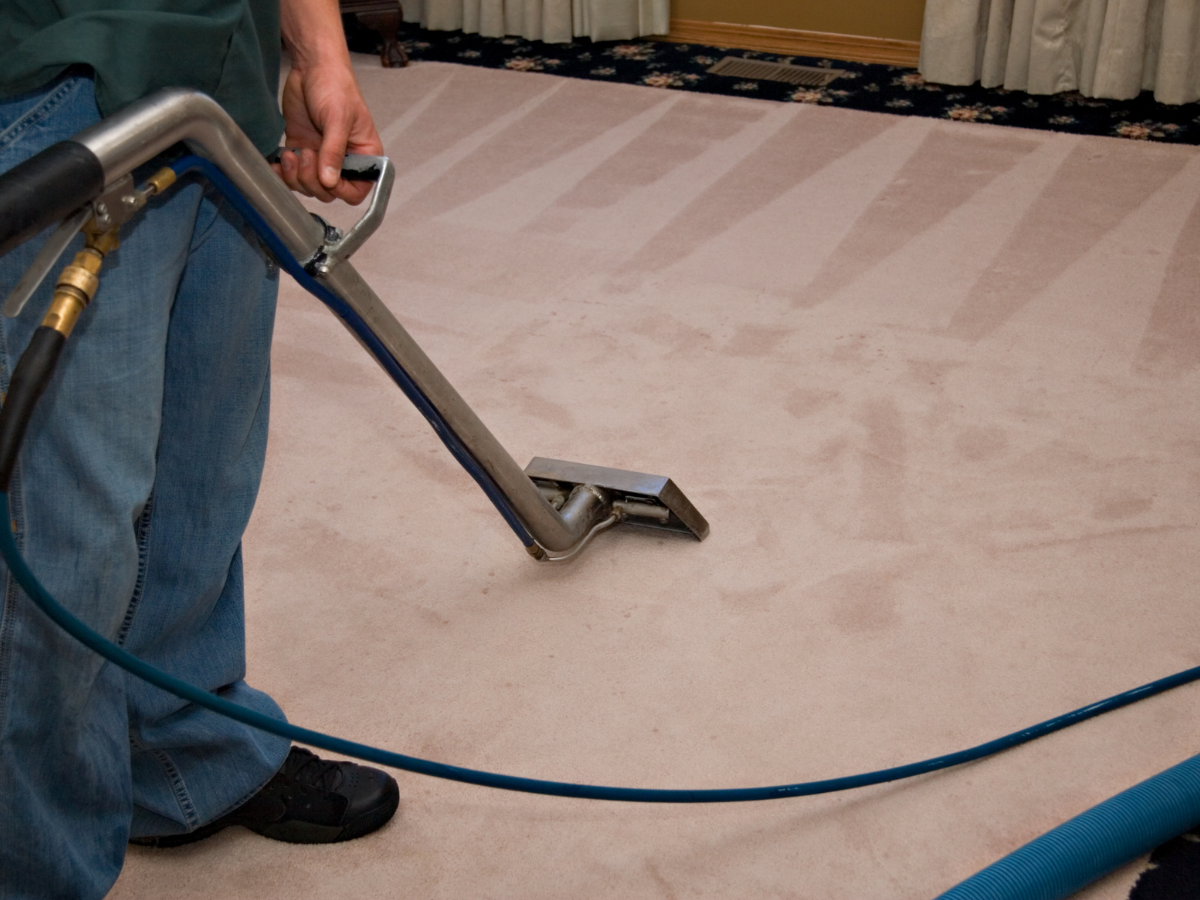
Successful carpet cleaning starts with using the right treatment for the type of stain you’re dealing with. A cleaning method that works well for coffee may set a protein-based stain, while excessive scrubbing can permanently damage carpet fibers regardless of what caused the spill.
The key is to identify the stain, act quickly, and use a cleaning method that’s appropriate for both the stain and your carpet. Treating the problem correctly the first time increases the likelihood of complete stain removal while helping preserve your carpet’s appearance.
Start With the Right Stain Removal Process
Before reaching for a cleaning product, follow a few basic steps that apply to nearly every fresh spill.
- Blot the spill immediately with a clean white cloth or paper towel.
- Remove as much liquid or residue as possible without rubbing.
- Test any cleaning solution on an inconspicuous area first.
- Apply the cleaner sparingly rather than saturating the carpet.
- Blot again to lift the stain.
- Allow the area to dry completely before walking on it.
Blotting is almost always safer than scrubbing. Aggressive rubbing can spread the stain deeper into the carpet, damage the fibers, and cause the affected area to wear unevenly over time.
Match the Cleaning Method to the Type of Stain
Different stains respond to different cleaning approaches. Choosing the correct method is one of the most important parts of effective carpet cleaning.
| Stain Type | Recommended Cleaning Method |
|---|---|
| Red wine | Blot immediately, then apply a solution of white vinegar and water before blotting again. |
| Coffee or tea | Use a small amount of dish soap mixed with warm water to loosen the stain before rinsing lightly. |
| Oil or grease | Sprinkle baking soda to absorb excess oil, vacuum thoroughly, then treat any remaining residue with an appropriate carpet-safe cleaner. |
| Pet urine or accidents | Use an enzymatic cleaner designed to break down organic matter and neutralize odors. |
| Mud | Allow the mud to dry completely, vacuum away loose debris, then clean any remaining marks with a mild carpet cleaner. |
| Food spills | Remove solid material first, then clean with a carpet-safe detergent solution appropriate for the type of food. |
If the stain has already dried or has been treated unsuccessfully several times, complete removal may require stronger cleaning methods or professional equipment.
Avoid Common Stain Removal Mistakes
Many stains become more difficult to remove because of the cleaning method rather than the spill itself.
Common mistakes include:
- Scrubbing instead of blotting.
- Using excessive amounts of water or cleaning solution.
- Mixing multiple household cleaners together.
- Applying bleach or harsh chemicals that can discolor carpet fibers.
- Ignoring manufacturer care instructions for specialty carpets.
- Waiting too long before treating the stain.
Using too much moisture can also leave residue behind or allow spills to soak into the carpet padding, making odors and recurring stains more likely.
When DIY Carpet Cleaning May Not Be Enough
Some stains require more than household cleaning products.
Professional carpet cleaning may be the better option if:
- The stain has been present for an extended period.
- Odors remain after cleaning.
- The spill has penetrated deep into the carpet or padding.
- Multiple cleaning attempts have failed.
- The carpet is made from delicate natural fibers such as wool.
- Large areas are affected by flooding, pet accidents, or repeated spills.
Professional equipment can often extract more moisture, dirt, and cleaning residue than consumer products, reducing the risk of permanent staining or damage.
Quick Stain Response Checklist
Keeping these best practices in mind can improve the results of nearly any stain removal effort:
- Blot spills immediately.
- Identify the stain before choosing a cleaner.
- Test cleaning products in a hidden area first.
- Use the least aggressive cleaning method that is likely to work.
- Avoid oversaturating the carpet.
- Allow the carpet to dry completely before replacing furniture or walking heavily on the area.
- Contact a professional if the stain persists or the carpet shows signs of damage.
Prompt action and the right cleaning method make a significant difference in successful carpet cleaning. By matching the treatment to the type of stain and avoiding common mistakes, you can improve stain removal results while helping your carpet stay clean, attractive, and in good condition for years to come.
How Different Carpet Fiber Types Affect Carpet Cleaning and Long-Term Maintenance
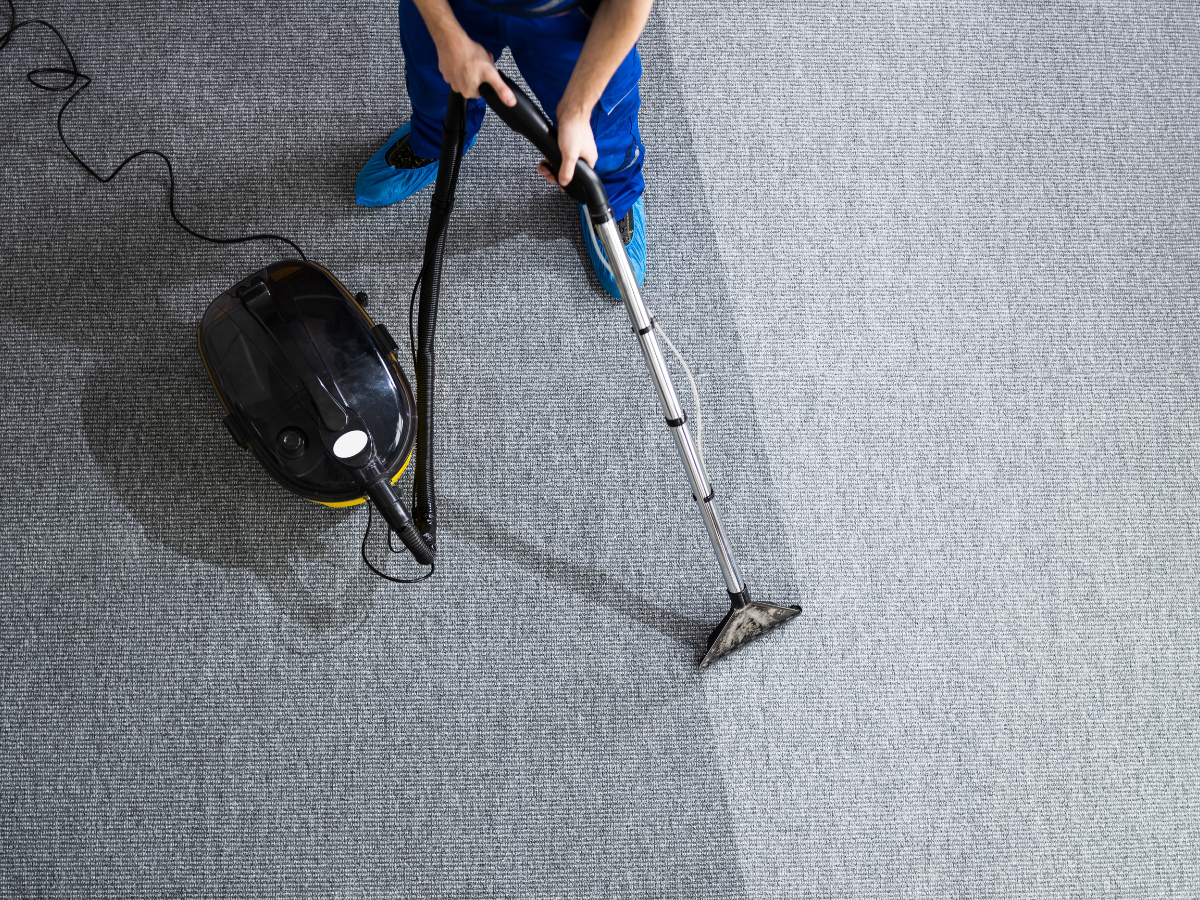
One of the biggest mistakes homeowners make is assuming every carpet can be cleaned the same way. In reality, the type of fiber determines how much moisture the carpet can tolerate, which cleaning products are appropriate, how easily it stains, and how frequently it should be professionally cleaned.
Using a cleaning method that isn’t suited to your carpet can shorten its lifespan just as easily as neglecting routine maintenance. Before trying a new cleaning product or scheduling a deep clean, it’s worth understanding what your carpet is made from and how that material performs over time.
Compare Carpet Care by Fiber Type
The most common residential carpet fibers each have different strengths and maintenance needs.
| Carpet Fiber | Best Qualities | Carpet Cleaning Considerations |
|---|---|---|
| Wool | Soft, natural, durable | Use gentle, pH-neutral cleaners and avoid excessive moisture or harsh chemicals. Professional cleaning is often the safest choice. |
| Nylon | Strong, resilient, ideal for busy households | Handles routine vacuuming and hot water extraction well. Responds well to regular deep cleaning. |
| Polyester | Naturally stain resistant and colorfast | Easy to maintain but can attract oily residue if spills are not cleaned promptly. |
| Olefin (Polypropylene) | Moisture resistant and mildew resistant | Performs well in damp environments but is more prone to oil-based staining than other synthetic fibers. |
If you aren’t sure which fiber your carpet is made from, check the manufacturer’s documentation or consult the installer before using unfamiliar cleaning products.
Why Fiber Type Changes Your Cleaning Routine
The goal of carpet cleaning is not simply to remove dirt. It’s to do so without damaging the fibers that give the carpet its appearance and comfort.
Natural fibers such as wool benefit from a gentler approach. They can be sensitive to highly alkaline cleaners, excessive heat, and oversaturation. Even aggressive scrubbing can roughen the fibers, making the carpet look worn long before its time.
Synthetic materials like nylon are much more forgiving. Their durability makes them a popular choice for high-traffic areas because they recover well from regular vacuuming and professional hot water extraction.
Polyester offers excellent stain resistance, making it a practical option for many households. However, oily soils can cling to its fibers more easily than water-based spills, so prompt spot cleaning is still important.
Olefin is often selected for basements, recreation rooms, and other areas where moisture resistance is valuable. While it handles water well, grease and oil-based stains can be more difficult to remove without specialized cleaning products.
Understanding these differences allows you to tailor your maintenance routine instead of relying on a one-size-fits-all approach.
Protect Carpet Fibers During Routine Cleaning
Many carpets are damaged gradually through improper maintenance rather than major accidents.
Simple habits can make a significant difference over the life of the carpet:
- Vacuum regularly to prevent abrasive dirt from settling deep into the fibers.
- Blot spills instead of scrubbing them.
- Test new cleaning products in a hidden area first.
- Avoid using excessive water during spot cleaning.
These practices help preserve the texture, color, and backing of almost every carpet material.
When Professional Carpet Cleaning Is Worthwhile
Even with consistent maintenance, household equipment cannot always remove deeply embedded soil, allergens, or residue that accumulates over time.
Professional carpet cleaning is especially beneficial for delicate fibers like wool, heavily trafficked rooms, older carpets that have lost their appearance, or stains that continue to reappear after home treatment.
Professional equipment extracts dirt more thoroughly while allowing technicians to select cleaning methods that are appropriate for the carpet’s specific fiber.
Rather than viewing professional service as a last resort, think of it as part of a long-term maintenance plan. Periodic deep cleaning helps remove contaminants that regular vacuuming cannot reach and can extend the life of the carpet by reducing wear caused by embedded grit.
Choosing the right cleaning method begins with understanding the carpet itself.
By matching your maintenance routine to the fiber type, using appropriate cleaning products, and scheduling professional carpet cleaning when needed, you can keep your carpets looking better and performing well for years to come.
When Should You Choose Professional Carpet Cleaning Instead of DIY?
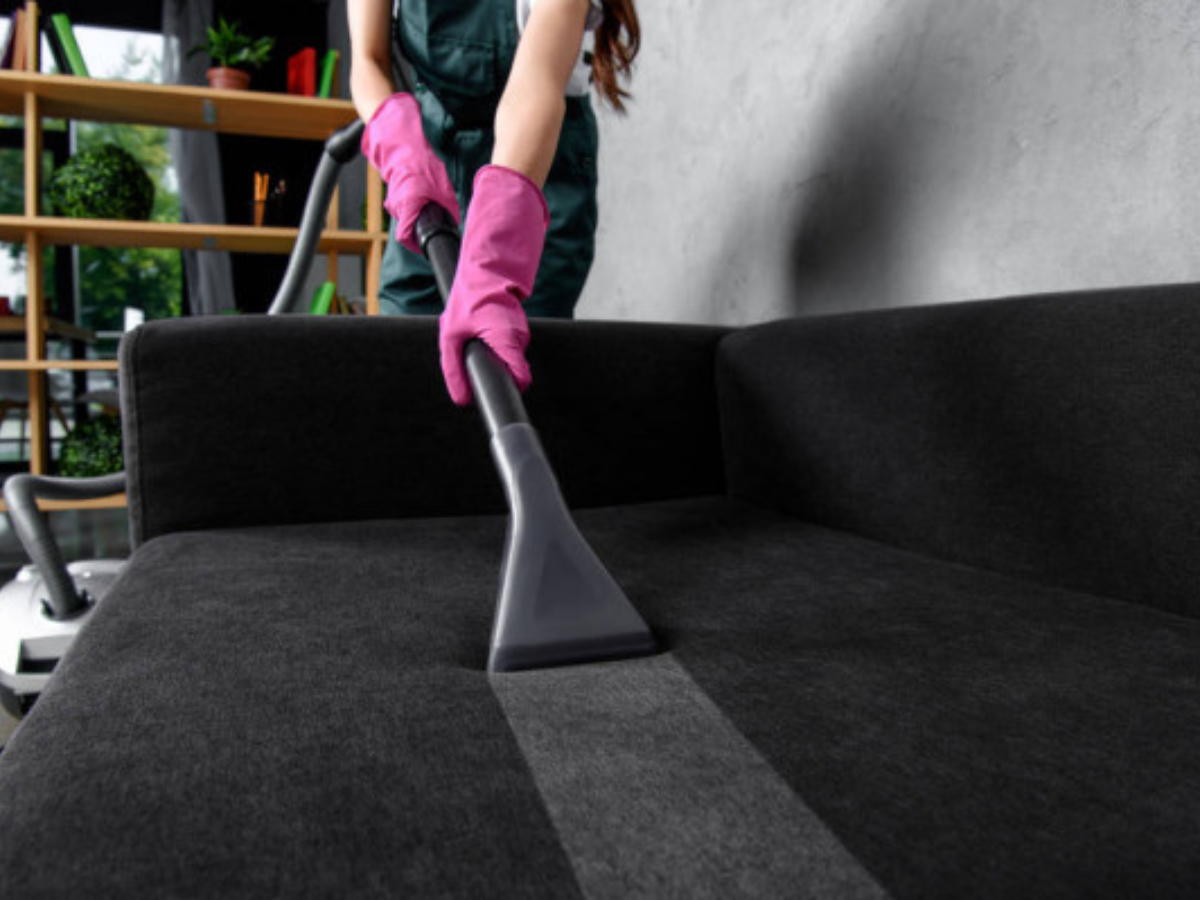
Not every carpet needs professional attention, but not every cleaning problem can be solved with a rental machine or household cleaner either. Knowing when to tackle a job yourself and when to hire a professional can save time, protect your carpet, and prevent permanent damage.
Routine carpet cleaning tasks such as vacuuming, spot cleaning fresh spills, and addressing light surface dirt are well within the capabilities of most homeowners.
Problems become more complicated when stains penetrate deep into the fibers, odors linger after repeated cleaning, or years of embedded soil have accumulated beneath the surface.
Choosing the right approach depends on the condition of the carpet, the type of stain, and the results you hope to achieve.
When DIY Carpet Cleaning Is Usually Enough
For regular maintenance, home cleaning methods are often all that’s required to keep carpets looking presentable between professional visits.
DIY carpet cleaning is generally appropriate for:
- Fresh spills that can be treated immediately.
- Light dirt from normal household traffic.
- Routine maintenance between deep cleanings.
- Small, isolated stains that haven’t spread into the carpet padding.
Regular vacuuming, prompt spot treatment, and occasional use of a carpet-safe cleaning solution can go a long way toward extending the life of your carpet.
Signs It’s Time to Call a Professional
Some problems require equipment and expertise that household machines simply can’t provide.
Professional carpet cleaning is often the better choice when:
| Situation | Why Professional Cleaning Helps |
|---|---|
| Stains continue to return after cleaning | Residue or contamination may remain deep in the carpet or padding. |
| Strong odors persist | Deep extraction can remove odor sources that surface cleaning cannot reach. |
| High-traffic areas look dull or heavily soiled | Professional equipment removes embedded dirt that regular vacuuming leaves behind. |
| Water damage has occurred | Fast extraction reduces the risk of mold, mildew, and permanent damage. |
| Delicate carpet fibers require special care | Professionals can choose cleaning methods appropriate for the carpet material. |
| The carpet hasn’t been deep cleaned for several years | Periodic professional maintenance helps restore appearance and extend carpet life. |
Waiting too long can allow dirt and abrasive particles to wear down carpet fibers, making even professional cleaning less effective.
Comparing DIY and Professional Carpet Cleaning
Both approaches have a place in a good maintenance routine.
| DIY Carpet Cleaning | Professional Carpet Cleaning |
|---|---|
| Lower upfront cost | Higher initial cost but more thorough results |
| Convenient for routine maintenance | Best for deep cleaning and difficult stains |
| Suitable for small spills and light soil | Removes embedded dirt, allergens, and residue |
| Limited by household equipment | Uses commercial-grade extraction equipment |
| Requires homeowner time and effort | Completed efficiently by trained technicians |
Rather than viewing the two methods as competing options, many homeowners achieve the best results by combining them. Routine maintenance at home helps control everyday dirt, while periodic professional carpet cleaning removes the buildup that gradually accumulates below the surface.
Factors to Consider Before Making Your Decision
Before deciding which approach is best, think about the condition of your carpet rather than the cleaning method itself.
A relatively new carpet with a small coffee spill has very different needs than a carpet that’s several years old, has multiple pet accidents, or hasn’t been professionally cleaned since it was installed.
Likewise, households with children, pets, or heavy foot traffic often benefit from more frequent deep cleaning than homes with lighter use.
The cost of professional service should also be weighed against the potential cost of replacing a carpet that deteriorates prematurely because embedded dirt, moisture, or stains were never fully removed.
Professional carpet cleaning and DIY maintenance are not mutually exclusive. Regular care at home preserves your carpet between appointments, while professional deep cleaning addresses the buildup that everyday cleaning cannot.
Using each approach where it makes the most sense will help keep your carpet cleaner, healthier, and in better condition throughout its lifespan.
How to Choose Eco-Friendly Carpet Cleaning Solutions That Actually Work
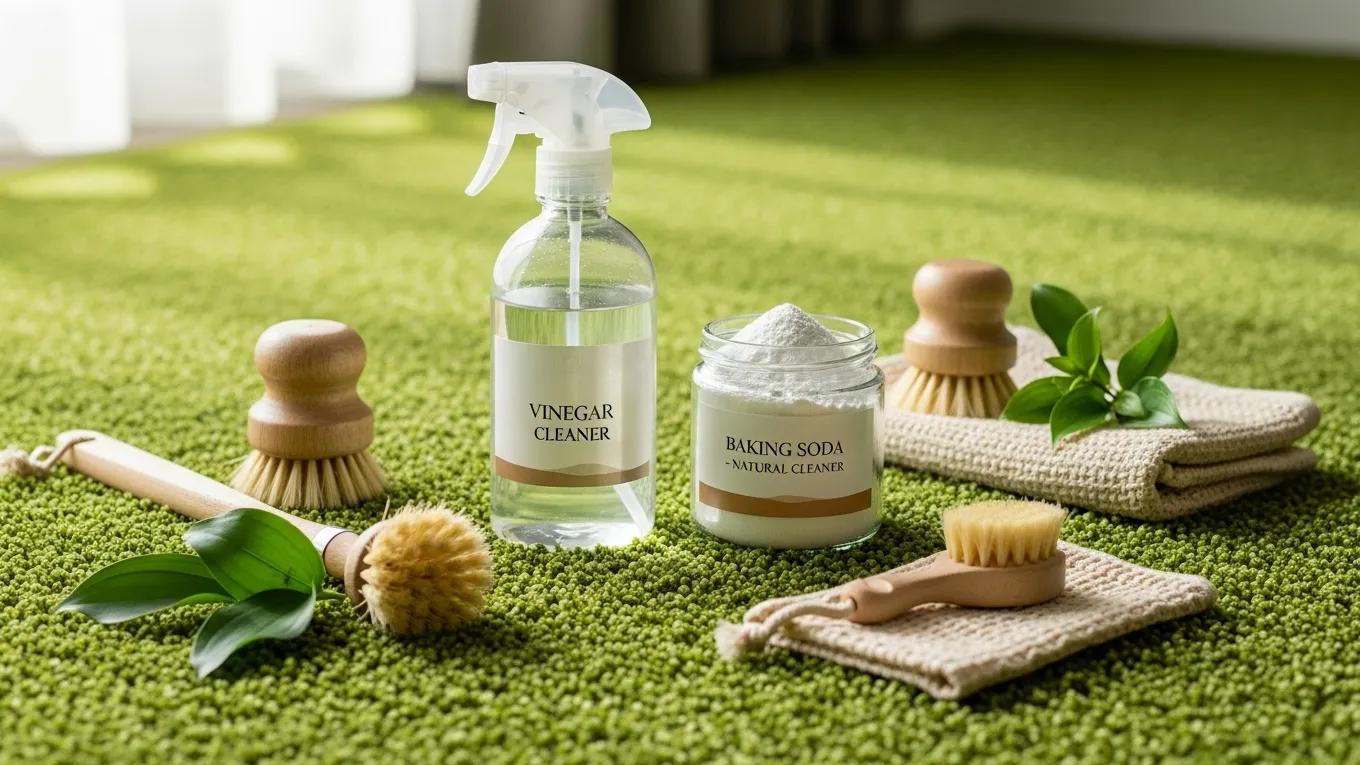
Eco-friendly carpet cleaning is about more than replacing conventional products with natural ingredients. The goal is to clean carpets effectively while reducing unnecessary chemical exposure, protecting indoor air quality, and minimizing environmental impact.
For many routine cleaning tasks, environmentally conscious products perform just as well as traditional cleaners. The key is choosing the right solution for the job rather than assuming every stain requires the strongest chemical available.
Understand When Eco-Friendly Cleaning Is Appropriate
Many everyday carpet cleaning tasks can be handled with low-impact cleaning products, particularly when spills are treated promptly.
Eco-friendly approaches are often well suited for:
- Routine maintenance cleaning.
- Fresh food and beverage spills.
- Light soil and everyday dirt.
- Homes with children or pets where reducing chemical residue is a priority.
However, severe staining, extensive pet contamination, flood damage, or heavy grease buildup may require specialized cleaning products or professional equipment.
Choosing an eco-friendly approach doesn’t mean avoiding effective cleaning. It means using the least intensive solution that can successfully address the problem.
Compare Common Eco-Friendly Carpet Cleaning Options
Not all environmentally friendly products work the same way. Some are better suited for deodorizing, while others are designed to lift dirt or break down organic stains.
| Cleaning Option | Best Uses | Considerations |
|---|---|---|
| White vinegar solution | Light mineral deposits, mild odors, some fresh stains | Always dilute appropriately and test on an inconspicuous area first. |
| Baking soda | Absorbing odors and light surface moisture | Vacuum thoroughly after treatment to remove residue. |
| Plant-based carpet cleaners | Routine spot cleaning and general maintenance | Choose products formulated specifically for carpets. |
| Biodegradable commercial cleaners | Deeper cleaning with reduced environmental impact | Follow manufacturer instructions to avoid overapplication. |
| Enzymatic cleaners | Pet accidents and organic stains | Allow sufficient contact time for the enzymes to work effectively. |
Even natural products should be tested in a hidden area before widespread use, particularly on delicate carpet fibers.
Look Beyond the Label
Products marketed as “green” or “natural” can vary significantly in their ingredients and performance.
Instead of relying solely on marketing claims, consider whether a product:
- Is biodegradable.
- Contains readily disclosed ingredients.
- Is free from unnecessary dyes or added fragrances if those are a concern for your household.
- Is designed specifically for carpet cleaning.
- Is compatible with your carpet manufacturer’s care recommendations.
Selecting the appropriate cleaner is often more important than choosing the strongest one.
Eco-Friendly Cleaning Can Help Protect Carpet Fibers
Harsh chemicals are not always necessary to achieve good results. Repeated use of overly aggressive cleaners may leave residue behind, contribute to faster resoiling, or affect the appearance of certain carpet fibers over time.
Using appropriately formulated cleaning products, avoiding oversaturation, and thoroughly removing residue after cleaning can help preserve both the texture and appearance of the carpet.
This is especially important for natural fibers, which are generally more sensitive to strong chemicals and excessive moisture than many synthetic materials.
Sustainable Carpet Care Goes Beyond Cleaning Products
Environmentally responsible carpet care also includes habits that reduce how often intensive cleaning is needed.
Simple practices such as vacuuming regularly, placing mats at exterior entrances, removing shoes indoors when practical, and treating spills immediately help reduce soil buildup and extend the time between deep cleanings.
Maintaining your carpet well can also extend its usable lifespan, reducing the environmental impact associated with premature replacement.
For carpets that require deeper restoration, many professional carpet cleaning companies now offer low-moisture methods and environmentally conscious cleaning products that balance effective cleaning with reduced water and chemical use.
Eco-friendly carpet cleaning is ultimately about making thoughtful choices rather than relying on a single product.
By combining routine maintenance, carefully selected cleaning solutions, and professional deep cleaning when necessary, you can keep your carpets clean while reducing unnecessary impact on both your home and the environment.
Conclusion
Proper carpet cleaning and routine maintenance can help extend the life of your flooring, improve indoor air quality, and keep your home looking its best for years to come.
From addressing spills quickly to scheduling periodic deep cleaning, a consistent care routine helps preserve both the appearance and performance of your carpets.
If you’re considering new flooring or planning to upgrade your home’s interior, working with experienced flooring professionals can help you find the right solution for your space.
For expert flooring installation and trusted craftsmanship, choose Diaz Hardwood Floors. If you’re ready to enhance your home with beautiful new flooring, call 404-791-0444 to speak with the team at Diaz Hardwood Floors or request your free quote today.