

Unwanted noise can affect everything from sleep quality and concentration to privacy and overall comfort at home or in the workplace. Whether it’s traffic outside, footsteps from another floor, or sound traveling between rooms, excessive noise can make a space feel less functional and less relaxing.
The solution often starts behind the walls, ceilings, and floors. Effective acoustic insulation materials and soundproofing techniques for noise reduction are designed to limit how sound travels through a structure.
Different materials and installation methods address different types of noise, helping create quieter, more comfortable environments without major design compromises.
Understanding how soundproofing works can help you choose the right solutions for your space and achieve better noise control where it matters most.
What to Know About Acoustics and Soundproofing Techniques
What Are the Best Acoustic Insulation Materials for Flooring?
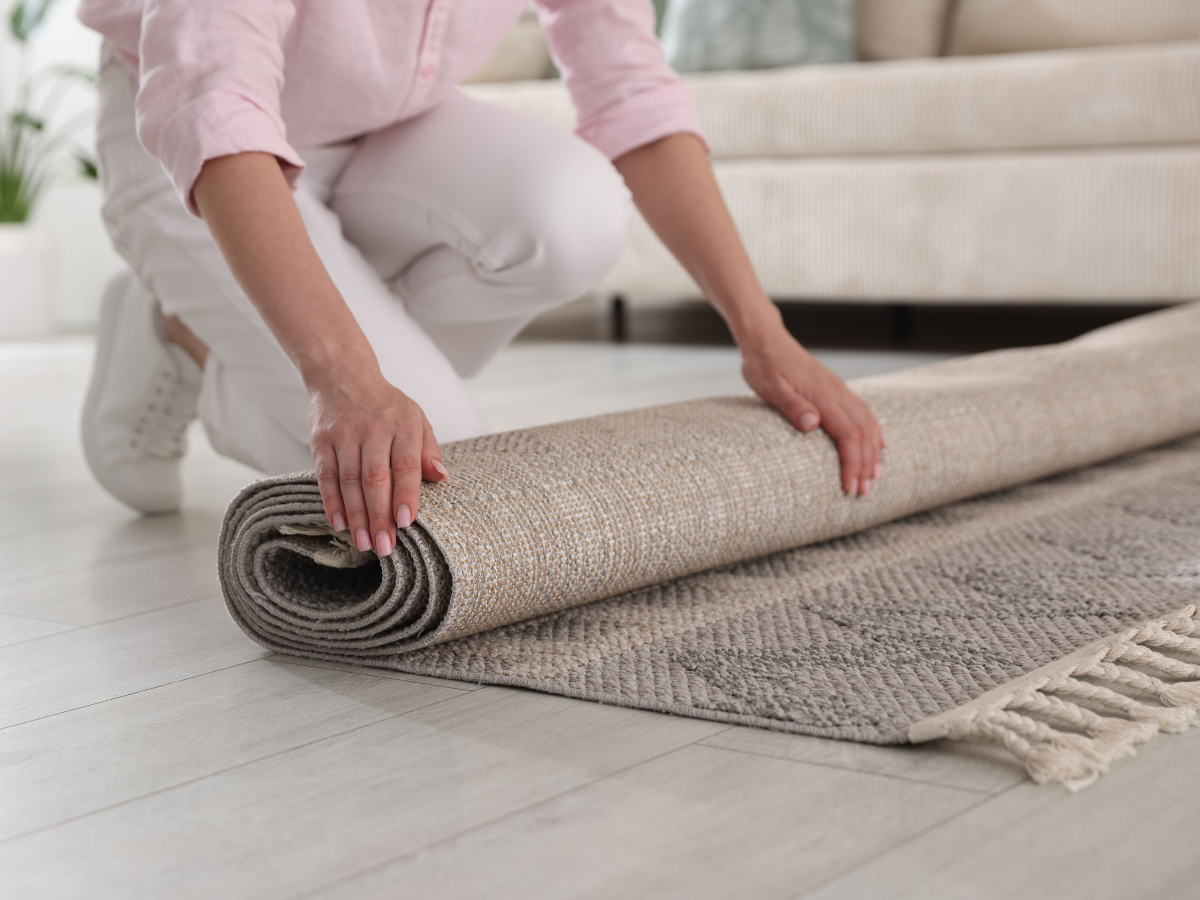
Flooring plays a major role in how sound travels throughout a home or commercial space. Hard surfaces can allow noise to bounce and echo, while softer or more resilient materials help absorb sound and reduce unwanted noise.
Choosing the right flooring is an important step when designing a space with better acoustics and improved comfort in mind. Several flooring materials are commonly used for sound control. Carpet remains one of the most effective options because its fibers naturally absorb sound rather than reflecting it back into the room.
This makes it particularly useful in bedrooms, home offices, and multi-story homes where reducing footstep noise is a priority. Cork flooring is another popular choice for improving acoustics.
Its cellular structure contains tiny air pockets that help absorb both airborne and impact noise. In addition to its sound-dampening qualities, cork offers a softer feel underfoot and can contribute to a quieter overall environment.
Luxury vinyl plank has also gained popularity due to its combination of durability, appearance, and acoustic performance. Many products are designed with built-in sound-reducing layers, making them a practical solution for homeowners who want the look of wood while benefiting from improved noise control.
Hardwood flooring remains a desirable option for many interiors, but it typically provides less sound absorption on its own. When hardwood is selected, additional soundproofing measures are often recommended to improve overall acoustics and reduce sound transmission between floors.
How Do Different Flooring Materials Affect Sound Absorption?
The way a flooring material affects sound depends largely on its density, composition, and surface characteristics. Some materials absorb sound energy, while others reflect it throughout the room.
Carpet is often considered one of the most effective flooring materials for sound absorption because it reduces both impact noise and airborne sound reflections.
Conversations, footsteps, and everyday household activity tend to sound quieter in carpeted spaces due to the material’s ability to soften and absorb sound waves.
Hardwood and tile flooring, by contrast, tend to reflect sound rather than absorb it. This can create a brighter acoustic environment where footsteps, voices, and other noises carry farther.
While these materials offer aesthetic and durability benefits, they may require additional acoustic treatments if noise reduction is a primary goal.
Cork flooring occupies a middle ground by offering a harder surface while still providing meaningful sound absorption. Its natural flexibility helps reduce impact noise and makes it a valuable option for spaces where both performance and appearance matter.
Luxury vinyl plank also performs well because many products are engineered with acoustic considerations in mind. Depending on the product design, vinyl flooring can help reduce noise while maintaining the visual appeal of wood or stone finishes.
Understanding how different materials influence acoustics allows homeowners and designers to make more informed decisions based on the specific needs of a space.
What Are the Benefits of Acoustic Underlayment in Noise Control?
Even the best flooring materials often perform better when paired with acoustic underlayment. Installed beneath the finished floor surface, underlayment acts as an additional barrier that helps limit sound transmission and improve overall acoustic performance.
One of its primary benefits is reducing impact noise. Sounds created by footsteps, moving furniture, or dropped objects can travel through flooring systems and into adjacent rooms. Acoustic underlayment helps absorb some of this energy before it passes through the structure.
Underlayment also contributes to better airborne sound control by reducing the transfer of voices, music, and other everyday sounds between levels of a building. This can be particularly valuable in multi-story homes, apartments, and condominiums where noise transfer is a common concern.
Beyond improving acoustics, many underlayment products offer additional advantages such as moisture resistance, floor protection, and improved comfort underfoot. These features make them a practical addition to a wide range of flooring installations.
When evaluating flooring options, it is important to view acoustics as a complete system rather than focusing solely on the visible surface.
Combining the right flooring material with a quality acoustic underlayment can significantly improve sound control, creating quieter and more comfortable living environments while supporting long-term flooring performance.
How Can Soundproofing Techniques Reduce Impact Noise in Flooring?

One of the most common noise complaints in homes, apartments, and multi-level buildings is impact noise. Unlike airborne sounds such as conversations or music, impact noise is created when an object physically contacts a surface.
Footsteps, moving furniture, dropped items, and household activity can all generate vibrations that travel through flooring systems and into nearby rooms.
Improving acoustics often starts with addressing these sources of impact noise. The most effective solutions focus on interrupting the path sound takes through the structure.
Rather than allowing vibrations to pass directly through floors and ceilings, soundproofing materials help absorb and dissipate that energy before it reaches other areas of the building.
Acoustic underlayment is one of the most widely used methods for reducing impact noise. Installed beneath the finished flooring surface, it acts as a cushioning layer that helps absorb vibrations generated by everyday activities.
This can noticeably reduce the sound of footsteps and movement, particularly in multi-story homes and apartment buildings. Soft surface materials can also contribute to better acoustics.
Area rugs, carpeted sections, and padded floor coverings help dampen sound at its source before it has a chance to travel through the structure. When combined with proper floor construction, these materials can significantly improve overall noise control.
The choice of flooring itself also matters. Some materials naturally transmit more sound than others, making it important to consider acoustic performance alongside appearance and durability when selecting flooring products.
Which Installation Methods Enhance Sound Transmission Class Ratings?
While flooring materials play an important role in noise control, installation techniques can have an equally significant impact on acoustic performance. Even high-quality materials may not deliver optimal results if they are installed without sound isolation considerations.
One commonly used approach is the floating floor system. In this method, the finished floor is installed over an intermediate layer rather than being directly attached to the structural subfloor. This separation helps limit the transfer of vibrations and reduces the amount of sound that travels between levels.
Floating floors are particularly effective in projects where improving acoustics is a priority because they create a break in the sound transmission path. By reducing direct structural contact, these systems help improve sound transmission class (STC) ratings and overall acoustic comfort.
Additional installation components can further enhance performance. Resilient channels and sound isolation clips are often used in floor and ceiling assemblies to reduce the transfer of vibrations through structural framing.
These systems create small separations that help prevent sound from moving efficiently through walls, floors, and ceilings. Careful attention to installation details is also important.
Gaps, rigid connections, and improperly installed materials can create weak points that compromise sound control efforts. A comprehensive approach that considers both materials and installation methods typically produces the best acoustic results.
How Does Vibration Isolation Improve Noise Reduction Performance?
Vibration isolation addresses noise at a structural level by reducing the movement of sound energy through building components. Rather than focusing solely on blocking sound, this approach aims to absorb or separate vibrations before they can spread throughout the structure.
Materials such as rubber pads, acoustic mats, and specialized underlayment products are commonly used for vibration isolation. These materials are designed to compress slightly under pressure, helping absorb impact energy that would otherwise travel through flooring systems.
This strategy is especially effective in environments where repeated impact noise is a concern. In residential settings, vibration isolation can reduce the sound of foot traffic, furniture movement, and active households.
In commercial spaces, it can help control noise generated by equipment, machinery, and high levels of daily activity. One of the key benefits of vibration isolation is that it addresses sound transmission at its source.
By reducing the amount of vibration entering the building structure, less noise is available to travel into adjacent rooms or neighboring units.
Effective acoustics often depend on multiple layers of sound control working together. Flooring materials, underlayment, installation techniques, and vibration isolation systems each contribute to overall performance.
When combined strategically, these solutions can create noticeably quieter spaces that improve comfort, privacy, and the overall experience of living or working within a building.
For homeowners and property managers seeking better acoustics, focusing on both sound absorption and vibration control provides a more complete approach to long-term noise reduction.
What Noise Control Solutions Meet Current Standards and Regulations?

Effective noise control is not just about improving comfort. In many residential and commercial projects, it is also about meeting building requirements designed to support privacy and quality of life.
Modern construction standards recognize the importance of acoustics, particularly in shared living environments where sound can easily travel between units.
Building codes and industry standards often establish minimum performance expectations for walls, floors, ceilings, and other building assemblies. These requirements help ensure that occupants are protected from excessive noise and that structures provide an acceptable level of sound separation.
To meet these expectations, builders and designers typically rely on a combination of strategies rather than a single product. Acoustic insulation, resilient mounting systems, sound-rated drywall assemblies, acoustic underlayment, and carefully designed floor and ceiling systems all contribute to improved sound control.
Understanding applicable regulations early in the design process helps homeowners, contractors, and developers make informed decisions about materials and construction methods. It also reduces the likelihood of costly modifications later in a project if acoustic performance falls short of required standards.
As awareness of acoustics continues to grow, noise control is increasingly viewed as an essential component of high-quality building design rather than an optional upgrade.
Which Noise Reduction Standards Apply to Multi-Family Housing?
Multi-family housing presents unique acoustic challenges because residents share walls, ceilings, and floors. Without proper sound control measures, everyday activities in one unit can easily affect neighboring occupants.
To address these concerns, building codes and industry guidelines often establish minimum Sound Transmission Class (STC) and Impact Insulation Class (IIC) ratings. These measurements help evaluate how effectively a building assembly reduces different types of noise.
STC ratings primarily focus on airborne sounds such as conversations, televisions, music, and household activities. Higher STC ratings generally indicate better sound isolation and improved privacy between living spaces.
IIC ratings address impact noise, including footsteps, dropped objects, and furniture movement. Because impact noise travels differently than airborne sound, floor assemblies often require specialized acoustic treatments to achieve acceptable performance levels.
Meeting these standards typically involves more than selecting sound-rated materials. Proper installation techniques, structural separation, and attention to construction details all influence final acoustic performance.
Even small gaps or improperly sealed penetrations can reduce the effectiveness of otherwise well-designed assemblies. For property owners and developers, compliance with acoustic standards can improve resident satisfaction while reducing the likelihood of noise-related complaints.
Strong acoustics often contribute to a more comfortable and desirable living environment, particularly in apartments, condominiums, and townhome communities.
How Do Eco-Friendly Acoustic Materials Comply With Building Codes?
As sustainable building practices become more common, many homeowners and construction professionals are seeking materials that support both environmental goals and acoustic performance.
Fortunately, a growing number of eco-friendly products are designed to meet modern building requirements while delivering effective noise control.
Recycled cotton insulation is one example. Made from reclaimed textile materials, it provides sound absorption properties comparable to many traditional insulation products while helping reduce waste.
Its dense composition makes it particularly useful in wall cavities and floor assemblies where improved acoustics are desired.
Natural fiber carpets and rugs also contribute to sound absorption while utilizing renewable materials. These products can help reduce reflected sound within a room while supporting environmentally conscious design choices.
Other sustainable acoustic solutions include cork underlayment, recycled rubber products, and insulation materials derived from natural fibers. Many of these options are specifically tested to ensure they meet applicable performance standards and building code requirements.
The appeal of eco-friendly materials extends beyond sustainability. Many products offer excellent acoustic performance while supporting healthier indoor environments through reduced chemical content and lower emissions.
When selecting acoustic materials, it is important to verify that products have been evaluated according to recognized testing standards.
Performance data, certifications, and manufacturer specifications can help determine whether a material is appropriate for a particular application and capable of meeting local code requirements.
As building practices continue to evolve, the relationship between sustainability and acoustics is becoming increasingly important. Homeowners no longer have to choose between environmental responsibility and effective sound control.
Modern eco-friendly materials make it possible to improve acoustics, support regulatory compliance, and contribute to more sustainable construction projects at the same time.
How Do Acoustic Underlayment Types Compare for Effective Noise Reduction?
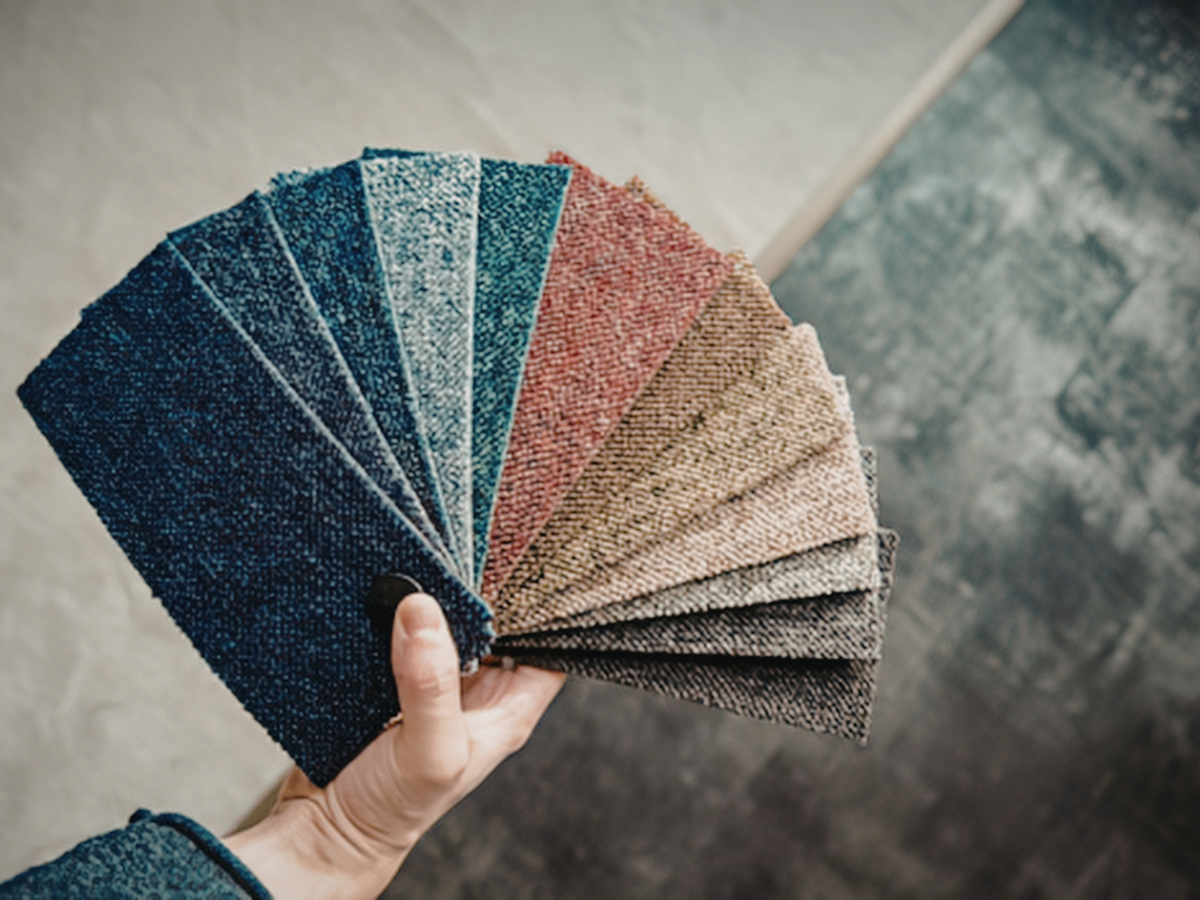
When evaluating flooring systems, the visible surface often receives the most attention. However, one of the most important components for improving acoustics is the underlayment installed beneath the finished floor.
Acoustic underlayment helps reduce sound transmission, improve comfort underfoot, and support better overall noise control throughout a building.
Several types of acoustic underlayment are commonly used, each with its own strengths. Foam underlayment is one of the most widely available options because it is lightweight, affordable, and easy to install.
It can provide a noticeable improvement in sound reduction compared to having no underlayment at all, making it a practical choice for many residential projects.
Rubber underlayment is often selected when higher levels of acoustic performance are required. Its density and flexibility allow it to absorb vibrations more effectively, helping reduce both impact and airborne noise.
This makes it particularly useful in apartments, condominiums, offices, and other environments where sound control is a priority.
Cork underlayment offers a different set of advantages. As a natural material, it provides sound insulation while also appealing to homeowners who prefer environmentally conscious building products.
Cork’s cellular structure naturally absorbs sound and helps limit vibration transfer, making it a versatile option for a variety of flooring applications.
Choosing the right underlayment depends on the specific goals of the project, the type of flooring being installed, and the level of noise reduction required. Understanding how these materials perform can help homeowners and builders make more informed decisions.
What Are the Acoustic Ratings of Common Underlayment Materials?
Acoustic performance is often measured using standardized ratings that help compare different products. These ratings provide valuable information about how effectively a material reduces sound transmission and impact noise.
One of the most commonly referenced measurements is the Impact Insulation Class (IIC) rating. This rating evaluates how well a flooring system reduces sounds created by footsteps, dropped objects, and other impacts. Higher IIC ratings generally indicate better performance in limiting noise transfer between floors.
Rubber underlayment frequently achieves higher IIC ratings than lighter materials because its density allows it to absorb more vibration energy. This makes it a popular choice in buildings where reducing impact noise is especially important.
Foam underlayment can still provide meaningful improvements, but its performance typically varies depending on thickness, composition, and installation quality. While it may not achieve the same ratings as premium rubber products, it can offer a cost-effective solution for moderate noise reduction needs.
Cork underlayment often delivers balanced performance across multiple acoustic measures. In addition to reducing impact noise, it can help improve overall acoustics by limiting sound reflections and vibration transfer.
When reviewing acoustic ratings, it is important to consider the entire flooring assembly rather than focusing on a single product. Flooring material, subfloor construction, and installation methods all contribute to final acoustic performance.
How Does Material Density Influence Impact Sound Reduction?
Density is one of the most important factors affecting how well a material controls sound. In general, denser materials are better equipped to absorb and dissipate sound energy before it travels through a building structure.
When impact noise occurs, vibrations move through the floor and into surrounding structural components. Dense materials help interrupt this process by absorbing some of the energy rather than allowing it to pass directly through the assembly.
This is one reason why rubber underlayment is often highly effective in improving acoustics. Its density enables it to absorb a substantial amount of impact energy while remaining flexible enough to reduce vibration transfer.
Similarly, thicker and heavier flooring systems often provide better sound control than lighter alternatives. Material density also influences the performance of carpets and floor coverings.
Heavier carpet padding, for example, can significantly improve impact sound reduction by adding an additional layer of sound absorption beneath the surface.
However, density alone does not determine acoustic performance. The material’s composition, flexibility, thickness, and installation all play important roles. The most effective flooring systems typically combine multiple layers that work together to reduce sound transmission and improve overall acoustics.
For homeowners, property managers, and builders, understanding the relationship between density and sound control can lead to better flooring decisions.
By selecting appropriate underlayment materials and considering the entire floor assembly, it is possible to achieve meaningful improvements in acoustics while creating quieter, more comfortable interior spaces.
Conclusion
Improving a home’s acoustics can make a significant difference in comfort, privacy, and overall quality of life. By choosing the right insulation materials, flooring solutions, and soundproofing techniques, homeowners can reduce unwanted noise and create quieter, more enjoyable living spaces.
Whether you’re renovating a single room or upgrading your entire home, investing in effective noise-reduction strategies can provide long-term benefits for both functionality and comfort.
For expert flooring services and professional guidance on home improvement projects, choose Diaz Hardwood Floors. If you’re ready to enhance your home’s comfort and performance, call 404-791-0444 to speak with the team at Diaz Hardwood Floors or request your free quote today.